Prompt, Reliable Same-Day Visits Available!

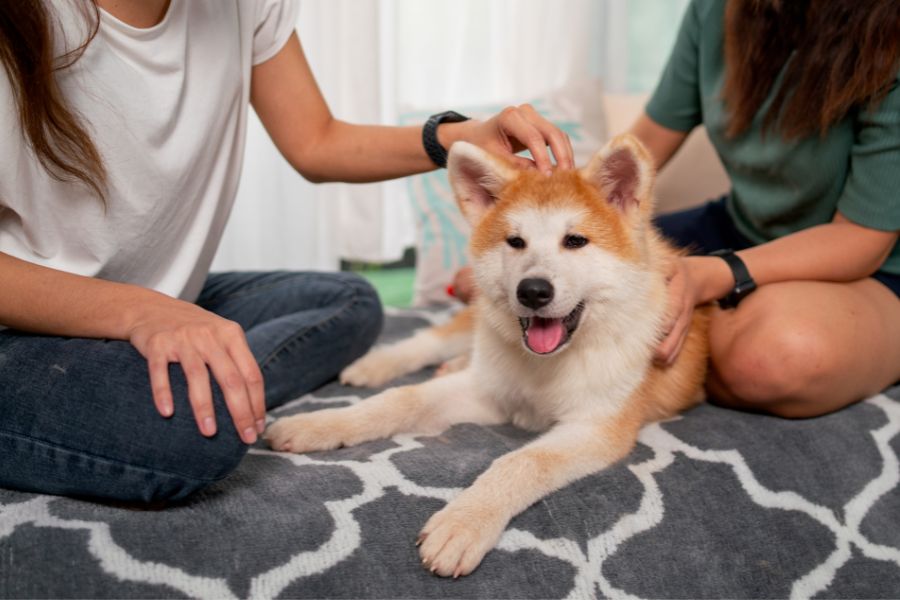
Seasons transform the world around us—and our pets feel those changes more than we often realize. As temperatures shift, allergens rise or fall, daylight hours fluctuate, and outdoor conditions evolve, pets experience unique challenges throughout the year. By understanding these seasonal pet lifestyle changes, you can adapt their routines and keep them safe, healthy, and comfortable no matter what the weather brings.
In this guide, you’ll learn how each season impacts your pet, what adjustments you should make, and how to spot important differences in their behavior or health as temperatures move from warm to cold and back again.
1. Spring Awakening: Allergens, Activity, and Awareness
As the world blossoms, your pet’s environment becomes more stimulating—yet more unpredictable. Spring invites outdoor adventures, but it also increases exposure to environmental hazards.
A Bloom of Allergies
Spring triggers pollen, grass, and mold allergies in many pets. Look for itching, watery eyes, paw licking, or frequent sneezing. Additionally, continue observing your pet because symptoms often appear gradually as pollen levels rise.
Parasites Return in Full Swing
Ticks, fleas, and mosquitoes become active again. Although many people assume these pests are only a summer concern, they actually emerge as soon as temperatures consistently rise above freezing. Transition gently into the season by updating preventatives and checking your pet’s fur after outdoor play.
Increasing Outdoor Activity
With warmer weather, pets become more energetic. Start by expanding the exercise slowly. After months of reduced winter activity, too much movement too soon can lead to strains or fatigue. Therefore, encourage gradual conditioning as you embrace longer walks or hikes.
2. Summer Heat: Hydration, Shade, and Smart Decisions
Summer offers sunshine and fun, yet it also brings serious heat-related risks. Even brief exposure to high temperatures can be dangerous for pets, especially brachycephalic breeds, senior pets, or those with thick coats.
Hydration Becomes Non-Negotiable
Always provide fresh, cool water. Moreover, consider placing multiple bowls around your home or yard to ensure constant access. Pets dehydrate quickly in summer, and early intervention is key to preventing heatstroke.
Hot Surfaces and Hotter Cars
Pavement, sand, and asphalt absorb heat rapidly. To protect your pet’s paws, touch the surface first—if it’s too hot for your hand, it’s too hot for their feet. Likewise, never leave your pet in a parked vehicle, even for a brief moment. Temperatures inside a car can rise dangerously in minutes.
Shade, Ventilation, and Timing
Plan outdoor activities during early mornings or late evenings when conditions are cooler. Meanwhile, provide shaded rest spots if your pet spends time outside. Add cooling mats, splash pads, or indoor fans to help your pet stay comfortable throughout the day.
3. Fall Adjustments: Cooling Temperatures and Changing Habits
Autumn is a transitional season—neither too hot nor too cold—yet it requires important preparations as winter approaches.
Reduced Daylight Means Routine Changes
As the days get shorter, pets may become less active, anxious, or more sleep-oriented. Gradually shift walk times to earlier hours, ensuring you maintain a safe, visible environment. Reflective gear, clip-on lights, or glow collars help pets remain seen during dusk or nighttime.
Preparing Their Coat
Pets naturally grow thicker fur in the fall. Brushing more frequently helps remove loose hair and reduces matting. Frequent grooming also prevents skin issues hidden beneath dense coats.
Toxic Fall Hazards
Falling leaves may hide mushrooms, moldy debris, or sharp objects. Keep an eye out during yard cleanups and walks. Additionally, many rodent control products become common this time of year—another reason to remain vigilant.
4. Winter Challenges: Warmth, Safety, and Comfort
Cold weather demands extra protection, especially for small breeds, senior pets, and those with short hair.
Bundle Up for Outdoor Time
While some breeds enjoy winter play, others struggle. If your pet shivers, lifts their paws, or resists going outside, add a sweater or insulated coat. Booties help protect their paws from icy surfaces and harmful de-icing salts.
Spot the Difference: Indoor vs. Outdoor Winter Behavior
Here’s a clear, prominent contrast to look for:
Indoor Winter Behavior:
- More sleep
- Seeking warm resting spots
- Reduced activity
- Increased cuddling and relaxation
Outdoor Winter Behavior:
- Quick movement due to cold discomfort
- Paw lifting or hesitation
- Shorter bathroom breaks
- Potential shivering
Understanding these differences helps you adjust how long your pet stays outdoors and when they need additional warmth or support.
Avoiding Seasonal Dangers
Antifreeze is extremely toxic and often appealing to pets due to its sweet taste. Store it securely and clean spills immediately. Also, wipe paws after walks to remove ice, salt, and chemicals that can irritate skin or cause digestive issues if licked.
5. Year-Round Wellness: A Consistent Foundation
Regardless of the season, some routines should remain constant—nutrition, regular veterinary checkups, and healthy enrichment.
Balanced Diet Through Changing Seasons
As activity fluctuates, your pet’s calories may need adjustments. More movement in spring and fall may require slightly increased portions, while winter and summer inactivity may require fewer calories to prevent weight gain.
Enrichment That Evolves With Weather
Rotate indoor and outdoor activities depending on the season. Puzzle toys, snuffle mats, training games, and safe indoor exercise options keep pets mentally stimulated—even when it’s too hot or cold to play outside.
Routine Veterinary Care
Annual or biannual exams ensure that your pet’s seasonal changes don’t mask underlying issues. For internal linking, you may consult Tranquility veterinarians for guidance that aligns with your pet’s unique needs.
6. Seasonal Red Flags: When to Adjust Quickly
Some signs indicate that the seasons are impacting your pet more significantly than expected. Watch for:
- Sudden changes in appetite
- Persistent coughing or sneezing
- Excessive itching
- Lethargy or difficulty moving
- Overheating or trembling
- Behavioral shifts such as clinginess or anxiety
If you notice these symptoms, adjust environmental factors or consult your veterinary professional.
Your pet’s needs shift throughout the year, and by recognizing those seasonal differences, you can provide thoughtful, responsive care. Whether you’re protecting them from summer heat, soothing spring allergies, preparing for fall changes, or keeping them warm in winter, each adjustment strengthens their well-being and deepens your bond.
With mindful planning and seasonal awareness, you’ll create a lifestyle that keeps your pet safe, comfortable, and thriving—year-round.