Prompt, Reliable Same-Day Visits Available!


When temperatures drop and daylight hours shorten, pets often become less active. However, regular movement is still needed to maintain their physical health and emotional well-being. Because the cold season can be challenging, pet owners frequently look for creative ways to keep their companions moving without exposing them to harsh weather.
In this guide, safe winter exercise ideas for dogs and cats will be explored in simple and easy-to-read language, with gentle transitions and pet-friendly strategies.
Why Winter Activity Still Matters
Even though winter brings frosty mornings and chilling winds, pets continue to need routine exercise. Without sufficient movement, weight gain may occur, joints might stiffen, and boredom can lead to unwanted behavior. Additionally, indoor heating and reduced sunlight can make pets sluggish. Therefore, consistent activity becomes especially important during cold months.
Moreover, emotional stimulation must be maintained. Pets thrive when their minds are engaged, and winter is an ideal time to introduce activities that support both mental and physical enrichment.
Indoor Activities That Keep Pets Moving
Since going outside may be limited by icy sidewalks or freezing temperatures, indoor exercises are often preferred during winter.
1. Hallway Fetch and Soft Indoor Games
Fetch does not always require a backyard. Instead, a hallway or open living room can be used, and soft toys can be selected to protect furniture. Although the game may be simple, calorie burning and muscle engagement are still promoted. Cats can also benefit from lightweight balls or crinkly toys that encourage spontaneous movement.
2. Interactive Toys and Puzzle Feeders
To keep pets mentally alert, puzzle feeders and interactive toys are useful. Treat-release devices, moving toys, and wobble feeders help keep dogs and cats entertained while encouraging physical motion. Because these toys stimulate their instincts, pets remain active without needing excess space.
3. Indoor Obstacle Courses
Chairs, pillows, boxes, and tunnels can be arranged to create a pet-friendly obstacle course. As pets weave through pillows or crawl under tables, low-impact agility training is encouraged. This kind of environment keeps dogs curious and motivates cats to explore new challenges.
4. Laser Play or Wand Toys for Cats
Many cats respond instantly to moving lights or feather wands. When used appropriately, these toys help increase cardio activity and allow cats to release pent-up energy. Although laser pointers should not be shone directly into the eyes, they can safely support movement when redirected onto surfaces.
Gentle Outdoor Activities for Winter Days
Even in winter, some outdoor time may still be possible. Nevertheless, caution is always recommended.
1. Short Leashed Walks
When temperatures are moderate and sidewalks are ice-free, short walks can be taken. Paws should be monitored for ice buildup, and protective booties may be worn to prevent irritation from salt or cold surfaces. Furthermore, leashes help maintain control if pets become excited by snow-covered surroundings.
2. Backyard Exploration Sessions
If a fenced yard is available, brief outdoor sniffing sessions can be allowed. Although running may be limited due to slippery areas, natural scents encourage mental enrichment. These outdoor breaks also help pets adjust to the chilly air without extended exposure.
3. Snow Play for Dogs
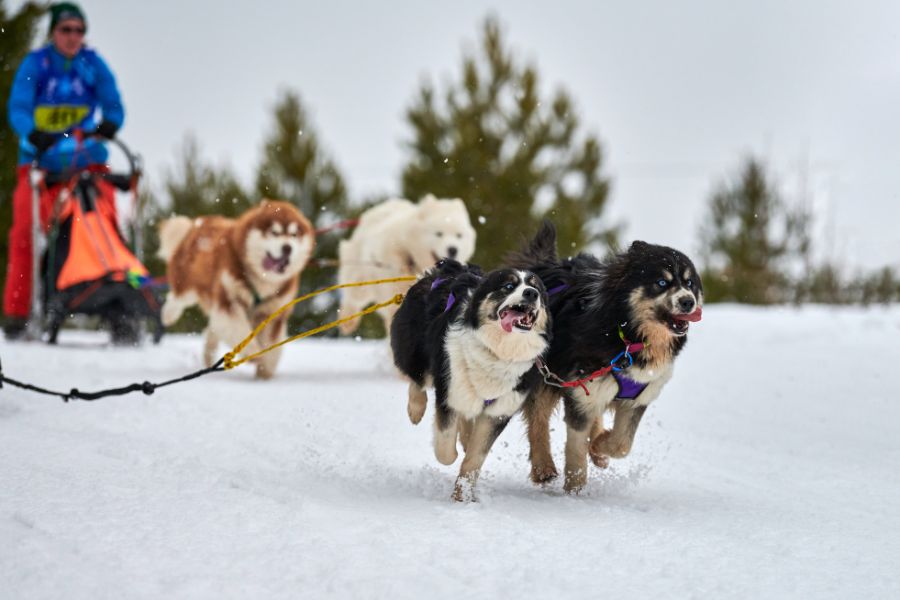
Some dogs enjoy gentle snow play. Rolling in shallow snow, exploring snowy paths, or lightly jogging through the yard can be enjoyable as long as supervision is provided. The session should be kept short, and pets should be dried afterward to prevent chills.
Winter-Friendly Exercises for Senior Pets
Older pets often struggle more during winter because stiffness may increase, and cold temperatures can intensify joint discomfort. However, carefully selected exercises can still be included.
1. Low-Impact Movements
Soft stretching, slow pacing around the home, and gentle indoor games are ideal. Senior cats may enjoy slow climbing on safe shelves or steps. Likewise, older dogs can be guided through relaxed walks on carpeted surfaces to avoid slipping.
2. Warm-Room Play Sessions
Because warmth helps loosen stiff joints, senior pets often benefit from playing in a room with comfortable heating. A cozy space supports smoother movement and reduces strain while still encouraging activity.
3. Mental Engagement Over Intensity
Since intense physical exercise might be difficult, mental challenges become highly valuable for seniors. Sniffing mats, gentle puzzle toys, or light trick training sessions keep their minds active without exerting their bodies excessively.
Tips for Exercising Pets Safely in Cold Weather
To ensure winter activities are carried out most safely, several precautions should be followed:
- Temperature Monitoring: Outdoor time should be limited during extreme cold.
- Paw Protection: Paws should be checked for cracks, ice, and irritation caused by de-icing salt.
- Hydration: Even in winter, pets can become dehydrated, so fresh water should always be available.
- Warm-Up Time: Before the activity, pets should be allowed to warm up indoors to reduce muscle stiffness.
- Supervision: Whether indoors or outdoors, close monitoring is necessary to keep pets safe.
Additionally, when guidance is needed, a local pet care professional or Tranquility veterinarian can be consulted for seasonal recommendations.
Fun Winter Games to Improve Bonding
Winter provides an opportunity for strengthening the human-pet bond through enjoyable games.
1. Hide-and-Seek
Treats or toys can be hidden around the house. Pets naturally enjoy searching for rewards, and this game encourages light movement. Moreover, it provides mental stimulation.
2. Tug-of-War
Soft rope toys work well for controlled indoor tug games with dogs. This activity requires limited space but still supports muscle engagement. Cats may also enjoy tugging on soft ribbons or feather toys.
3. DIY Toy Crafting
Homemade toys created from safe household materials can be used to spark curiosity. Paper bags, cardboard tubes, and felt pieces can be fashioned into enrichment items that keep pets engaged even when the weather is harsh.
Winter does not have to reduce a pet’s activity level. With thoughtful planning and gentle creativity, safe exercise can be encouraged throughout the season. Indoor and outdoor activities can be adapted, enrichment can be enhanced, and pets can remain both physically active and mentally stimulated.
Although winter challenges are unavoidable, comfort, movement, and bonding can still be prioritized. By offering supportive activities and observing seasonal safety tips, dogs and cats can enjoy a healthy and active winter season.