Prompt, Reliable Same-Day Visits Available!

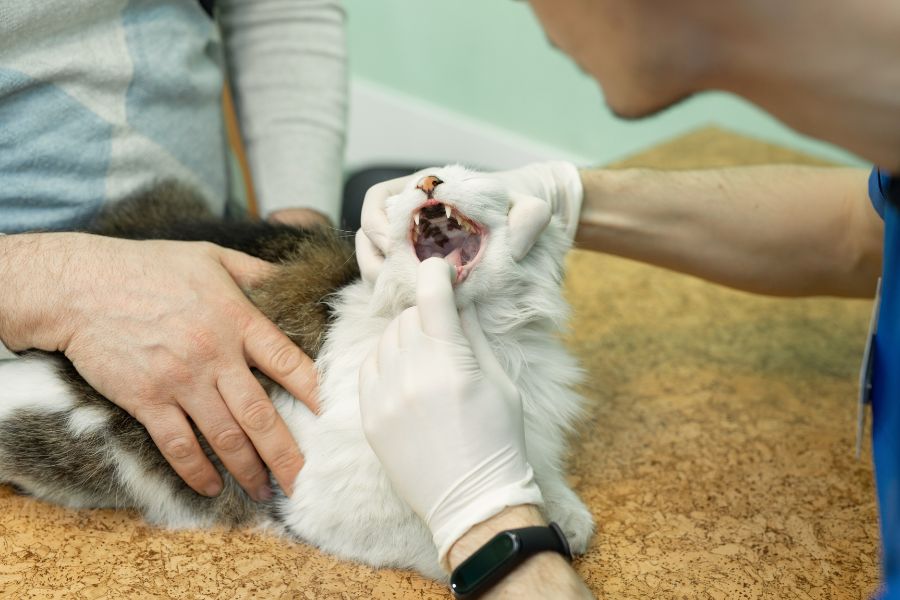
Many dogs and cats continue eating even while living with severe dental pain. Owners often notice bad breath first, though advanced dental disease may already be affecting the gums, teeth, and overall comfort long before obvious symptoms appear.
Full-mouth extractions are sometimes recommended when dental disease has become too advanced to manage with routine cleanings or limited tooth removal. The procedure may sound overwhelming at first, though many pets feel significantly better afterward.
If you’re a pet owner in Tranquility, this blog is especially for you. Understanding what happens before, during, and after dental extractions may help you feel more prepared for your pet’s treatment and recovery process.
Severe Dental Disease Often Progresses Quietly
Dental disease develops gradually in many pets. Dogs and cats often continue eating despite discomfort, making early recognition of oral pain harder.
Inflamed gums, infection, and damaged teeth may eventually affect daily comfort, appetite, and behavior.
Common Signs Advanced Dental Disease May Exist
- Persistent bad breath: A strong odor often signals an oral infection.
- Difficulty chewing food: Pain may gradually affect eating habits.
- Dropping food while eating: Loose or painful teeth may interfere.
- Pawing at the mouth: Oral discomfort sometimes triggers rubbing behaviors.
Teeth evaluations and oral exams are central to pet dental care, as they help determine the severity of disease before treatment options are suggested.
Full Extractions Remove Ongoing Sources of Pain
When most teeth are severely damaged, removing painful teeth may provide better long-term comfort than trying to save them individually.
Many pets adjust surprisingly well after healing is complete.
Conditions That Sometimes Require Full Extractions
- Advanced periodontal disease: Severe infection may affect multiple teeth.
- Tooth root damage: Pain may continue beneath the gumline.
- Resorptive lesions in cats: Tooth breakdown often causes significant discomfort.
- Chronic oral inflammation: Ongoing irritation may reduce quality of life.
Painful teeth often affect pets more than owners initially realize.
Pre-Surgical Testing Helps Improve Treatment Planning
Before dental surgery begins, pets typically undergo physical exams and diagnostic tests to assess overall health and readiness for anesthesia.
Monitoring internal health becomes especially important for older pets.
Common Steps Before Dental Extraction Procedures
- Bloodwork evaluations: Internal organ function is commonly reviewed.
- Oral examinations: Dental disease severity helps guide treatment plans.
- Anesthesia preparation: Monitoring supports safer procedures.
- Treatment discussions: Owners receive information on recovery and aftercare.
Pre-surgical evaluations help teams plan procedures more effectively.
Dental X-Rays Reveal Hidden Problems Below Gums
Many painful dental conditions remain hidden beneath the gumline. Dental radiographs help identify root damage, infection, and bone loss that may not appear during visual exams alone.
Diagnostic imaging plays an important role during oral surgery planning.
Problems Dental Imaging Often Detects
- Bone deterioration: Severe infection may weaken the surrounding bone.
- Hidden root fractures: Damage beneath gums often remains invisible.
- Abscess formation: Infection may spread deeper into the tissue.
- Retained tooth roots: Fragments sometimes remain after damage occurs.
Dental imaging helps improve treatment accuracy during extractions.
Anesthesia Allows Safe and Controlled Dental Procedures
Full-mouth extractions require anesthesia to keep pets comfortable and still during surgery. Monitoring equipment tracks breathing, heart rate, and oxygen levels throughout the procedure.
Pain management remains an important part of surgical planning.
What Happens During Extraction Procedures
- Damaged teeth are removed: Diseased teeth are carefully extracted.
- Gums are cleaned thoroughly: Infection and debris are addressed.
- Sutures close extraction sites: Healing tissue receives support afterward.
- Pain control medications are provided: Recovery comfort remains important.
Many procedures take several hours, depending on disease severity.
Recovery Often Improves Comfort More Than Expected
Owners sometimes worry that pets will struggle after losing teeth. Many dogs and cats actually become more comfortable once painful teeth are removed.
Pets commonly resume eating and daily routines as healing progresses.
Common Recovery Expectations After Surgery
- Temporary swelling: Mild inflammation may occur initially.
- Soft food diets: Healing gums often require softer meals temporarily.
- Lower activity levels: Rest supports smoother recovery.
- Improved comfort afterward: Chronic oral pain is often reduced significantly.
Recovery instructions help protect healing tissue during the first few weeks.
Pets Usually Adapt Better Than Owners Expect
Dogs and cats do not rely on teeth emotionally the way humans do. Many continue eating normally after healing and adjust quickly to life without painful teeth.
Comfort often matters far more than preserving severely diseased teeth.
Ways Pets Commonly Adapt After Healing
- Eating softer foods comfortably: Most pets continue eating well.
- Improved mood and energy: Reduced pain may improve behavior.
- Better sleep quality: Chronic oral discomfort often disrupts rest.
- More interest in play: Pain relief may increase activity levels.
Long-term comfort improvements are often noticeable after recovery.
Many pet owners feel relieved to see how much happier their pets become once dental pain is finally addressed.
Home Care Remains Important After Recovery
Even after full mouth extractions, regular wellness monitoring still plays an important role in long-term oral health and comfort.
Owners should continue monitoring eating habits, behavior, and healing progress after surgery.
Helpful Recovery Care Tips For Owners
- Follow medication instructions carefully: Pain support helps healing.
- Offer soft meals initially: Healing gums need time to recover.
- Watch for swelling or bleeding: Changes deserve prompt attention.
- Attend follow-up visits: Monitoring helps ensure proper healing.
Consistent aftercare often supports smoother recovery experiences.
Helping Pets Feel Better After Dental Pain
Advanced dental disease may quietly affect eating, sleep, behavior, and overall comfort for months or even years. Full mouth extractions sometimes become the best option for reducing chronic oral pain and improving quality of life. Many pets recover well, adjust quickly, and return to daily routines more comfortably after healing is complete.
Supporting Better Oral Health and Comfort
If you’re in Tranquility and searching for a veterinarian near you for pet dental care, oral surgery, or diagnostic imaging services, book an appointment with Tranquility Veterinary Clinic. Our team can help evaluate dental disease, discuss extraction procedures, monitor recovery, and support your dog or cat through every stage of treatment, with a focus on improving long-term comfort and oral health.
Frequently Asked Questions(FAQs):
1. What changes after a dog has all of its teeth removed?
A: Most dogs adjust very well after full mouth extractions. Once recovery progresses, many pets eat more comfortably, act more energetically, rest better, and appear happier without ongoing dental pain or infection.
2. What does a full mouth extraction procedure involve?
A: Full mouth extractions involve removing severely diseased or damaged teeth that are causing pain, infection, or inflammation. The procedure is typically recommended when multiple teeth can no longer be restored safely.
3. How long does recovery take after my pet’s tooth extractions?
A: Healing time depends on the number of teeth removed and the pet’s oral health condition. Many pets begin improving within days, while gum tissue often heals more fully within several weeks.
4. Are tooth extractions uncomfortable for cats afterward?
A: Advanced dental disease usually causes significant discomfort before treatment. Pain medications, anesthesia, and recovery care help manage soreness after surgery, and many cats feel relief once painful teeth are removed.
5. How much time do dogs spend under anesthesia during extractions?
A: Anesthesia duration varies based on the severity of dental disease, the complexity of oral surgery, imaging findings, and cleaning needs. Some procedures are shorter, while advanced cases may require several hours of monitored treatment time.
6. Is it normal for dogs to whine after dental surgery?
A: Some dogs may seem restless, vocal, or sleepy after anesthesia and oral procedures. Temporary confusion and mild soreness can happen during early recovery while medications help improve overall comfort.