Prompt, Reliable Same-Day Visits Available!

Bright eyes, playful energy, and a shiny coat often signal a healthy pet, yet the mouth is just as important as any visible sign of wellness. The condition of teeth and gums can influence digestion, comfort, daily activity, and even mood. Many pet owners discover that small dental issues grow into bigger health concerns when they remain unnoticed.
This guide explains how pet dental health connects with whole body wellness, what warning signs deserve attention, and how simple habits support long-term comfort for dogs and cats. Readers will also learn practical steps for home care, professional checkups, and nutrition choices that help protect overall health for beloved companions across households in and around Tranquility, NJ.
Why Oral Health Matters for Whole Body Wellness
A pet’s mouth works all day, biting, chewing, grooming, and exploring objects around the home. When teeth stay clean, and gums remain strong, eating feels comfortable, and digestion begins smoothly. Food particles and bacteria may build up along the gumline when brushing or dental care is skipped. That buildup forms plaque, which can irritate gums and create soreness.
Pets often hide discomfort, so subtle signs become important. Clues include bad breath, drooling, dropping food, chewing on one side, or pawing at the mouth. Bacteria from infected gums may travel through the bloodstream and place stress on organs such as the heart, liver, and kidneys.
Regular dental attention protects comfort, eating habits, and energy levels. It also supports a happier routine filled with play, walks, and relaxed sleep.
Signs Your Pet’s Mouth Needs Attention
Many families notice dental trouble only after clear discomfort appears. Early awareness helps pets avoid pain. Watch for persistent bad breath, yellow buildup along teeth, red, swollen gums, or sudden reluctance to chew dry food.
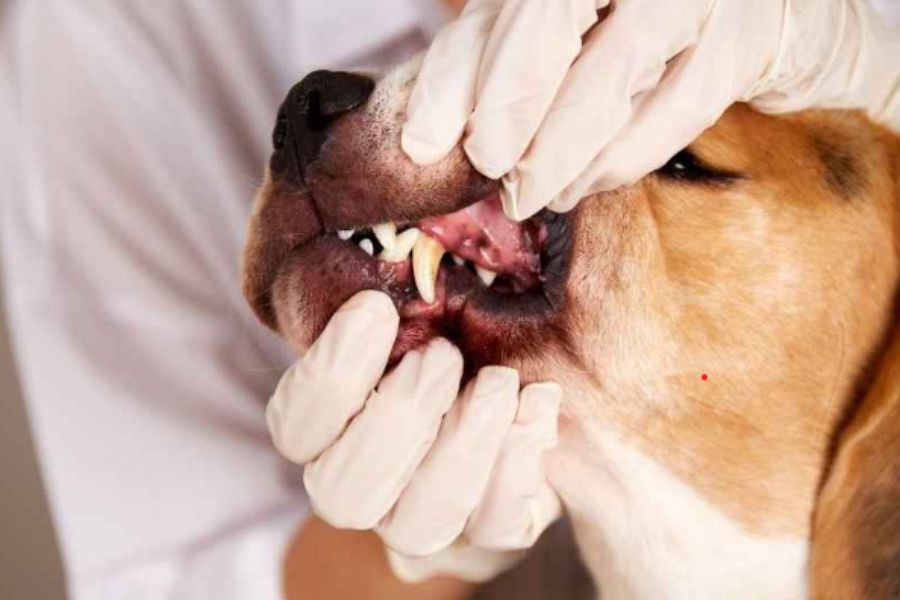
Some animals prefer softer treats because their mouth feels sensitive. Others become quieter during play or mealtime. Routine checks at home help owners notice changes quickly. Lift the lip gently and look for color changes, swelling, or loose teeth. These simple observations guide timely care and protect long-term pet dental health across every stage of life.
Daily Habits That Support a Healthier Smile
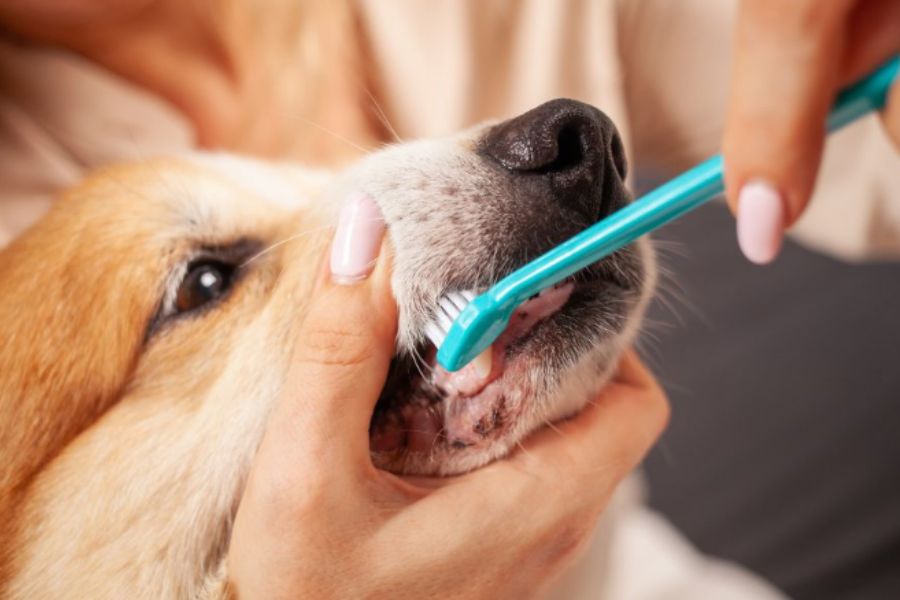
Small routines create meaningful protection for pets. Brushing teeth with pet-safe toothpaste several times each week removes plaque before it hardens. Dental chews, textured toys, and crunchy kibble support natural scraping during chewing.
Fresh water and balanced meals keep gums hydrated and resilient. Many pet owners in rural Sussex County enjoy outdoor walks and backyard play, which encourages healthy chewing habits with safe toys. Regular checkups allow professionals to examine teeth closely and recommend cleaning when buildup appears.
Pet parents seeking guidance about nutrition, wellness exams, preventive care, and dental support can explore the full range of services offered through the clinic website to understand how each service supports lifelong comfort for pets.
Professional Dental Care and Checkups
Even with careful home habits, pets benefit from routine oral evaluations during wellness visits. A trained team can spot early gum irritation, cracked teeth, trapped debris, and hidden infection.
Professional cleanings remove hardened tartar that brushing alone cannot lift. This process restores a smoother tooth surface and fresher breath. Many families appreciate guidance about brushing techniques, chew choices, and diet adjustments.
Pets living in quiet communities with wooded trails and open yards often explore sticks, rocks, or outdoor objects, which may chip teeth or irritate gums. Regular dental visits help detect these problems before they affect appetite, comfort, and daily behavior.
Local pet owners often share stories about dogs carrying sticks from wooded trails or cats nibbling garden plants. Regular mouth checks after outdoor play help spot chips, irritation, or debris early and protect daily comfort.
Building a Lifelong Dental Routine
Creating a lifelong dental routine begins with patience and positive experiences. Puppies and kittens adjust quickly when brushing starts early. Adult pets learn gradually through gentle handling, flavored toothpaste, and short practice sessions.
Praise, treats, and calm repetition help animals accept the process. Families can set reminders for brushing, check gums monthly, and schedule wellness visits that include oral exams. Community clinics often share demonstrations, educational guides, and preventive advice that make dental care easier.
Consistent routines protect appetite, playful behavior, and daily comfort for dogs and cats.
Conclusion
Healthy teeth influence far more than a bright smile. Pets with comfortable mouths eat better, stay active, and enjoy daily routines without hidden pain. Consistent brushing, balanced nutrition, dental toys, and regular examinations create strong protection for lifelong wellness.
Pet owners who stay attentive to small changes often prevent serious oral disease and expensive treatment later. Simple steps today support years of happy companionship and confident mealtimes for beloved animals in every household.
We are conveniently located in Tranquility, NJ, and welcome you to our facility at 17 Kennedy Rd, Tranquility, NJ 07821—where compassionate care and community come together for your pet’s well-being. Book an appointment with Tranquility Veterinary Clinic.
Frequently Asked Questions(FAQs):
1. How often should I brush my pet’s teeth?
A: Most pets benefit from brushing three to four times each week. Consistent cleaning reduces plaque buildup, freshens breath, and supports comfortable chewing. Ask your clinic team for demonstrations if you are learning the brushing process.
2. What causes bad breath in pets?
A: Persistent odor usually develops from bacteria trapped between teeth and gums. Food debris, plaque buildup, and infection may create strong smells. A dental exam identifies the source and guides the right treatment plan.
3. Are dental chews enough to keep teeth clean?
A: Chews help reduce plaque through mechanical rubbing while pets chew. They work best with brushing, routine exams, and balanced nutrition. Combined habits provide stronger protection and help maintain oral comfort for many years.
4. When should a pet receive a professional dental cleaning?
A: Many clinics recommend yearly oral evaluations. Adult pets with plaque buildup or gum irritation may need cleaning sooner. Regular exams help determine the right schedule based on each pet’s age, lifestyle, and condition.
5. Can dental disease affect other parts of the body?
A: Yes. Bacteria from infected gums may enter the bloodstream and strain organs, including the heart, liver, and kidneys. Early dental care and regular exams significantly reduce these risks for dogs and cats.
6. What are the early warning signs of dental trouble?
A: Watch for bad breath, swollen gums, yellow tartar, drooling, difficulty chewing, or pawing at the mouth. Early evaluation protects comfort, appetite, and everyday activity levels while preventing more serious dental problems.