Prompt, Reliable Same-Day Visits Available!

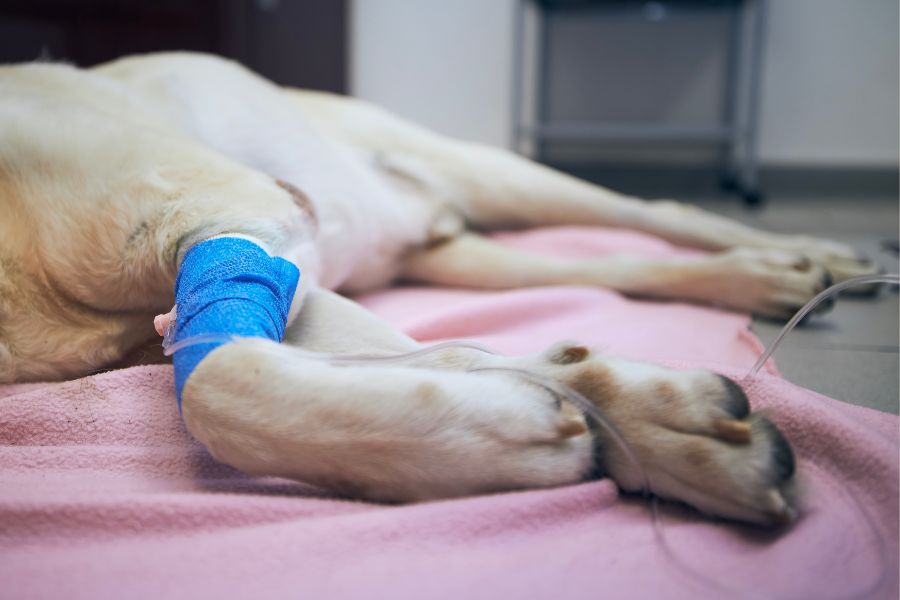
A Cruciate Ligament Rupture can change a dog’s comfort, movement, and daily joy. Many families ask whether healing is possible without pet surgery, what recovery looks like, and how to decide the right care path.
This guide explains conservative options, realistic outcomes, pain control, lifestyle changes, and when surgery becomes the kinder choice. You will also find timelines, home care tips, and clear answers to common questions, ending with supportive next steps for your dog’s health in Tranquility, NJ.
Understanding the Injury
The cruciate ligament helps stabilize the knee. When it tears, dogs feel pain and lose steady movement. Limping, stiffness after rest, and trouble rising often appear. Some dogs carry weight again within weeks, though joint weakness remains. Large, active dogs face higher strain. Smaller dogs sometimes adapt faster. Age, weight, muscle strength, and activity level shape recovery.
The tear rarely “knits” back together. Improvement without pet surgery comes from reduced swelling, scar tissue support, stronger surrounding muscles, and careful activity control. Arthritis risk rises over time, even with good care. Early attention lowers long-term discomfort.
Can Healing Happen Without Surgery?
Yes, some dogs regain usable function without pet surgery, especially small or calm dogs with partial tears. Rest, pain control, and guided exercise build support around the joint. Owners commit to weeks of leash walks, home therapy, and weight control. Results vary. Many dogs walk comfortably again, though peak athletic ability often drops.
A second Cruciate Ligament Rupture in the opposite knee remains possible because of altered movement patterns. Families weigh comfort, cost, and lifestyle goals. Honest expectations matter. Non-surgical plans focus on comfort and mobility rather than restoring a perfect joint.
What Conservative Care Looks Like
Conservative care blends rest with gradual strengthening. Short leash walks replace running and jumping. Soft bedding eases pressure. Anti-inflammatory medications or supplements may reduce pain. Cold packs during flare-ups calm swelling. A simple range of motion exercises keeps joints flexible.
Muscle building protects the knee. Slow hill walking, underwater treadmill sessions, and controlled sit-to-stand drills often help. Body weight management matters. Even small losses reduce joint load. Ramps replace stairs. Slippery floors get runners or mats.
Progress gets reviewed every few weeks. If limping persists or pain returns, plans change. Some dogs plateau. Others keep improving across three to four months.
When Surgery Becomes the Better Choice
Pet surgery enters the picture when pain stays high, instability limits walking, or active dogs cannot return to safe play. Large breeds and working dogs often benefit most. Surgery aims to stabilize the knee so muscles work without constant strain. Recovery still requires rest and rehab.
Families choose surgery to reduce arthritis progression, restore strength, and protect the opposite knee. Costs, age, and medical history guide decisions. Your care team explains options in plain language and sets realistic timelines.
Recovery Timelines to Expect
With conservative care, many dogs show comfort gains in four to eight weeks. Stronger walking may appear by twelve weeks. Full muscle rebuilding can take four to six months. After pet surgery, controlled activity starts within days, with steady increases over eight to twelve weeks. Complete conditioning may reach six months.
Consistency drives success. Skipped rest days or sudden zoomies set progress back. Keep calendars, track walks, and celebrate small wins like smoother sits or longer strolls.
Conclusion
Choosing care for a knee injury feels overwhelming. Some dogs thrive with structured rest and rehab, while others regain comfort faster with stabilization. Clear goals, close follow-up, and daily commitment shape results. Talk openly about lifestyle, budget, and expectations so your dog receives the kindest plan. Watch movement, track pain, and adjust early. A thoughtful approach supports confidence and mobility at every stage.
We are conveniently serving in Tranquility, NJ, and welcome you to our location: 17 Kennedy Rd, Tranquility, NJ 07821 — where compassionate care and community come together for your pet’s well-being. Schedule an appointment with Tranquility Veterinary Clinic.
Frequently Asked Questions(FAQs):
1. Can my dog walk normally again without surgery?
A: Some dogs regain comfortable walking through rest, therapy, and strength work. Small or calm dogs respond best. Athletic performance often declines. Long-term joint care stays important because arthritis risk remains, even after movement improves.
2. How long should I try conservative care before deciding?
A: Most plans run eight to twelve weeks with checkups. If limping, pain, or instability persists after this period, talk about next steps. Early reassessment prevents months of frustration and protects joint health.
3. What home changes help recovery most?
A: Leash walks only, no jumping, soft beds, floor runners, and ramps reduce strain. Portion control supports weight loss. Daily exercises build muscle. Ice during flare-ups and warm compresses for stiffness improve comfort.
4. Will my dog need pain medicine long-term?
A: Many dogs use short courses during early healing. Some benefit from ongoing supplements or periodic medication. Your provider adjusts plans based on comfort, activity level, and any side effects noted at home.
5. Can the other knee get injured too?
A: Yes, altered movement increases stress on the opposite side. Balanced rehab, weight control, and gradual activity help lower risk. Early signs like stiffness or uneven steps deserve quick attention.
6. Is physical therapy worth it?
A: Guided therapy speeds strength gains and teaches safe exercises. Water treadmills reduce joint load while building muscle. Even brief programs give owners confidence and structure for home routines.