Prompt, Reliable Same-Day Visits Available!

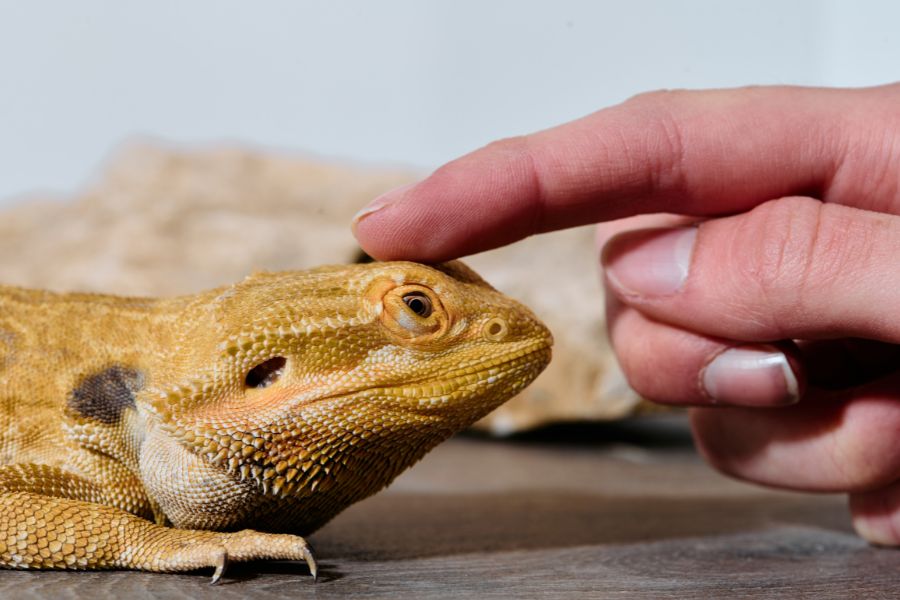
Bringing home an exotic pet can be exciting, but unusual pets have unusual requirements. Rabbits, birds, reptiles, and small mammals may need specialized diets, controlled habitats, species-specific handling, and regular health checks.
Before choosing one, learn about lifespan, daily care, legal requirements, housing, costs, temperament, and access to experienced care. Preparation protects your companion and prevents surprises.
Choose the Species Before Buying Supplies
“Exotic pet” covers many animals. Research adult size, lifespan, activity patterns, social needs, noise level, grooming, handling preferences, and common health concerns.
Ask yourself: Can your household support this animal for its entire life?
Check Local Laws and Ownership Rules
Legal requirements can affect which exotic pets you may keep. Rules vary by state, county, municipality, or species. Check current regulations before purchasing or adopting. Do not assume an animal sold locally is legal to own.
Build the Habitat Before Bringing Your Pet Home
Create an enclosure suited to the species. Consider ventilation, temperature, humidity, lighting, substrate, hiding areas, climbing opportunities, enrichment, and escape prevention. Reptiles may need precise heat and lighting. Birds need safe perches and room for movement.
Remove household hazards. Keep toxic plants, unsafe foods, electrical cords, open windows, other pets, and small objects out of reach.
Understand Food and Water Requirements
Nutrition is easy to underestimate. Exotic pets often need balanced diets rather than whatever seems convenient.
Learn staple foods, portion sizes, feeding frequency, supplements, and treats for your species. Provide clean water according to the species’ needs.
Do not experiment with human foods because an animal seems interested. A harmless-looking diet can cause deficiencies, obesity, digestive problems, or other complications.
Find Experienced Care Before You Need It
Don’t wait until your pet gets sick to find an animal care provider. Confirm that a nearby clinic treats your species and understands its health needs.
Professional exotic pet care can support preventive exams, nutrition guidance, parasite concerns, illness evaluation, and species-specific needs. Building a relationship early gives you somewhere to turn when things change.
Budget for More Than the Adoption Fee
The purchase or adoption price is only one part of ownership. Plan for enclosure equipment, food, bedding or substrate, lighting, heating, enrichment, grooming supplies, routine examinations, medications, and unexpected care.
Create a monthly care budget and emergency fund.
Prepare for Behavior and Handling
Exotic pets are not automatically easy because they are small. Many have prey instincts, defensive behaviors, territorial preferences, or specific handling limits.
Learn how your species communicates comfort, fear, stress, hunger, and discomfort. Teach children to observe rather than grab. Give the animal a quiet retreat.
Handling should match the species. Respecting those boundaries can reduce stress and improve trust.
Plan for Daily and Long-Term Care
Ask what care looks like on Tuesday, not just on adoption day.
Who will feed the pet? Who will clean the enclosure? Who will monitor temperature or humidity? What happens during vacations, emergencies, power outages, or schedule changes?
Consider the animal’s entire lifespan. A pet that seems manageable as a youngster may become larger, louder, more expensive, or more demanding as an adult. Your housing, schedule, finances, and family plans matter.
Know the Warning Signs
Learn the normal behavior, appetite, droppings, breathing, activity, posture, and appearance of your species.
Watch for reduced appetite, unusual hiding, weakness, breathing difficulty, discharge, diarrhea, abnormal droppings, sudden aggression, weight changes, swelling, or movement changes. Do not rely on online advice to diagnose a problem. If your pet seems unwell, contact an experienced professional promptly.
Make the Decision With a Clear Plan
An exotic pet can bring companionship, curiosity, and a rewarding connection with nature. It can also demand specialized knowledge, consistent routines, significant expenses, and long-term commitment.
The best preparation starts before adoption today. Research the species, verify ownership rules, build the habitat, understand nutrition, locate experienced care, create a budget, and learn warning signs. For guidance tailored to rabbits, birds, reptiles, and small mammals, explore the exotic pet care service linked above. If you are ready to discuss your pet’s needs, book an appointment before or soon after bringing your new companion home.
A realistic plan also protects your household. Think about allergies, children, noise, cleaning, travel, access to food, and who will provide care when you are away. Exotic pet ownership works best when every household member understands the animal’s boundaries, daily routine, safety needs, and expected costs before the pet arrives and agrees to follow them consistently at home.
Frequently Asked Questions(FAQs):
1. What is the best exotic pet for beginners?
A: There is no universal best choice. The right pet depends on your space, budget, schedule, experience, and willingness to meet species-specific needs. Research temperament, lifespan, habitat requirements, diet, and care availability before deciding.
2. Are exotic pets harder to care for?
A: Some exotic pets require more specialized care than dogs or cats. Their habitats, diets, temperature needs, handling, and health monitoring can be demanding. Difficulty depends on the species and how prepared the owner is.
3. How much does an exotic pet cost?
A: Costs vary widely by species. Consider the animal, enclosure, heating or lighting, food, enrichment, routine care, medications, and emergencies. A low purchase price does not necessarily mean low lifetime ownership costs.
4. Do exotic pets need regular checkups?
A: Routine checkups can identify problems early and guide nutrition, habitat conditions, weight, and preventive care. Ask a clinic whether it regularly treats your specific species before bringing your pet home.
5. Can exotic pets live with dogs or cats?
A: Some can coexist safely with careful management, while others should remain separated. Never assume two species will become friends. Use secure housing, supervised interactions when appropriate, and species-specific safety precautions.
6. What should I buy before bringing home an exotic pet?
A: Prepare the complete habitat, appropriate food and water setup, enrichment, cleaning supplies, temperature or humidity equipment, transportation carrier, and emergency contacts. Having everything ready makes the transition calmer and safer.