Prompt, Reliable Same-Day Visits Available!

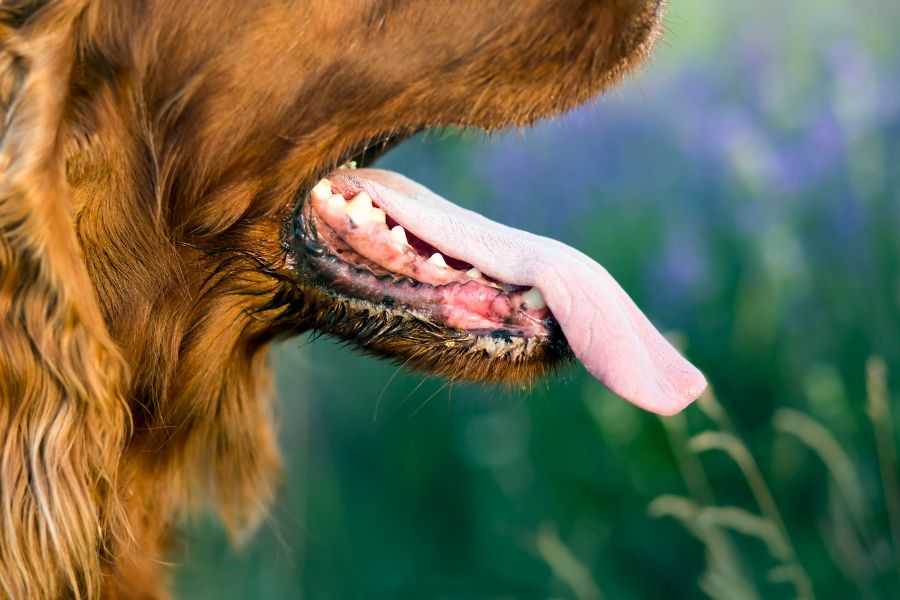
When you picture a drooling pet, you may think of a dog waiting for a treat or a cat staring at a favorite toy. While occasional drooling can be normal, excessive or unexpected drooling often signals something deeper. Anxiety is one of the lesser-known culprits behind this issue. Stress and emotional distress don’t just affect your pet’s behavior—they can also trigger noticeable changes in saliva production.
In this blog, we’ll dive into the fascinating connection between drooling and anxiety in pets, exploring why it happens, what it means, and how you can help your furry friend feel calm and secure.
The Science of Saliva: More Than Just Drool
Saliva plays an essential role in your pet’s overall health. It helps with digestion, keeps the mouth moist, and even prevents infections by washing away bacteria. However, when your pet feels stressed, their body reacts in ways that influence how much saliva is produced.
During anxiety, the nervous system shifts into “fight or flight” mode. This state increases adrenaline and affects many body functions, including the salivary glands. For some pets, this may lead to an overproduction of saliva, resulting in excessive drooling.
Stress Signals: When Drooling Isn’t About Food
It’s easy to assume drooling is linked to tasty smells or dental health issues, but stress-induced drooling often comes with additional signs. You might notice your pet pacing, whining, trembling, or hiding. Some animals even refuse to eat when stressed.
Paying attention to these cues helps you distinguish between normal drooling and saliva linked to emotional distress. The sooner you identify anxiety-driven drooling, the quicker you can address the underlying cause.
Common Stress Triggers for Pets
Just like people, pets can feel stressed for many reasons. Some common triggers include:
- Loud noises: Fireworks, thunderstorms, or even construction sounds.
- Separation: Being left alone for long periods can make pets anxious.
- New environments: Moving homes, visiting unfamiliar places, or traveling.
- Veterinary visits: Many pets feel nervous at the clinic.
By identifying your pet’s unique stressors, you can take steps to minimize their impact. For instance, if fireworks trigger drooling and shaking, creating a safe, quiet space at home can ease the anxiety.
When Stress and Drooling Become Health Concerns
Occasional drooling caused by temporary stress may not be alarming, but chronic anxiety should never be ignored. Persistent stress can weaken your pet’s immune system, disturb digestion, and even cause behavioral problems.
If you notice frequent drooling paired with ongoing anxiety, scheduling a checkup is the best next step. A visit to an animal hospital can rule out underlying medical issues while also guiding stress management techniques.
Helping Your Pet Find Calm in the Storm
The good news is that you can take practical steps to help reduce stress-related drooling in your pet. Consider these approaches:
- Comforting routines: Keeping a consistent feeding and walking schedule builds security.
- Safe spaces: Designate a quiet corner with their favorite blanket or toy.
- Gentle exposure: Slowly introduce your pet to triggers in a controlled way, reducing sensitivity over time.
- Positive reinforcement: Reward calm behavior with treats, affection, or playtime.
These strategies don’t just reduce drooling; they also support your pet’s emotional well-being.
Professional Guidance: When to Seek Help
Sometimes, despite your best efforts, your pet may continue to struggle with anxiety and drooling. In these cases, professional help makes a big difference. Vets can recommend calming supplements, behavioral therapies, or other treatments tailored to your pet’s needs.
Regular checkups at a veterinary hospital in Tranquility can also give you peace of mind, ensuring that drooling isn’t linked to dental disease, poisoning, or other medical conditions.
Building a Stress-Free Future for Your Pet
Drooling is often overlooked as a simple quirk, but when linked to stress, it tells a bigger story about your pet’s emotional state. By understanding how anxiety affects saliva production, you become better equipped to support their physical and emotional health.
Your furry companion depends on you not only for food and shelter but also for comfort and security. Reducing stress doesn’t just stop the drooling—it nurtures a happier, healthier life filled with trust, love, and calm moments together.