Prompt, Reliable Same-Day Visits Available!

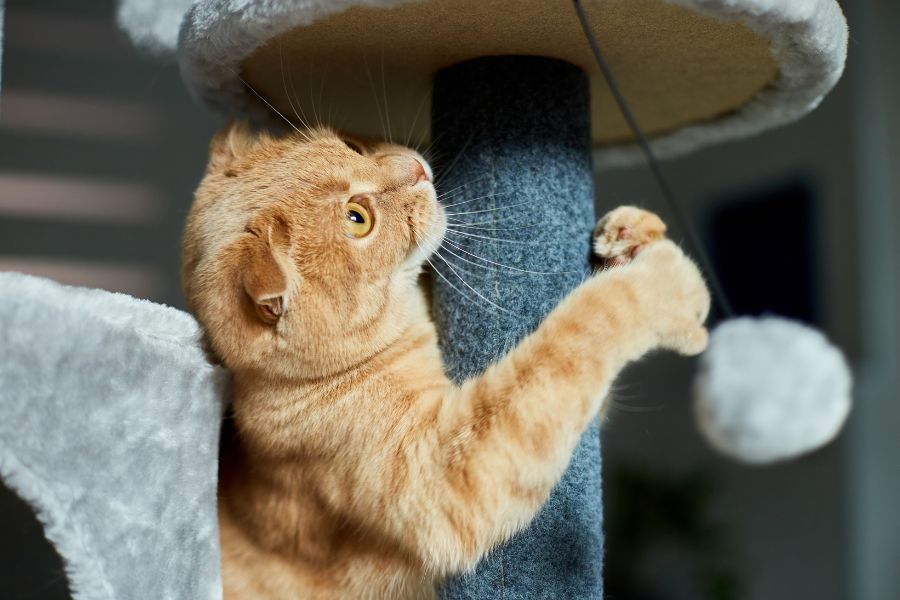
If you share your home with a cat, you already know the struggle. One moment your sofa looks perfect, and the next it’s covered in claw marks. It can feel frustrating, but scratching is not bad behavior. It’s a natural instinct.
The good news is you can protect your furniture without punishing your cat. This guide explains why cats scratch furniture and gives you clear, practical steps on how to stop cats from scratching furniture in a way that works long term.
Why Do Cats Scratch Furniture?
Understanding the reason behind scratching is the first step to solving it. Cats don’t scratch to annoy you. They do it because they need to.
1. Claw Maintenance
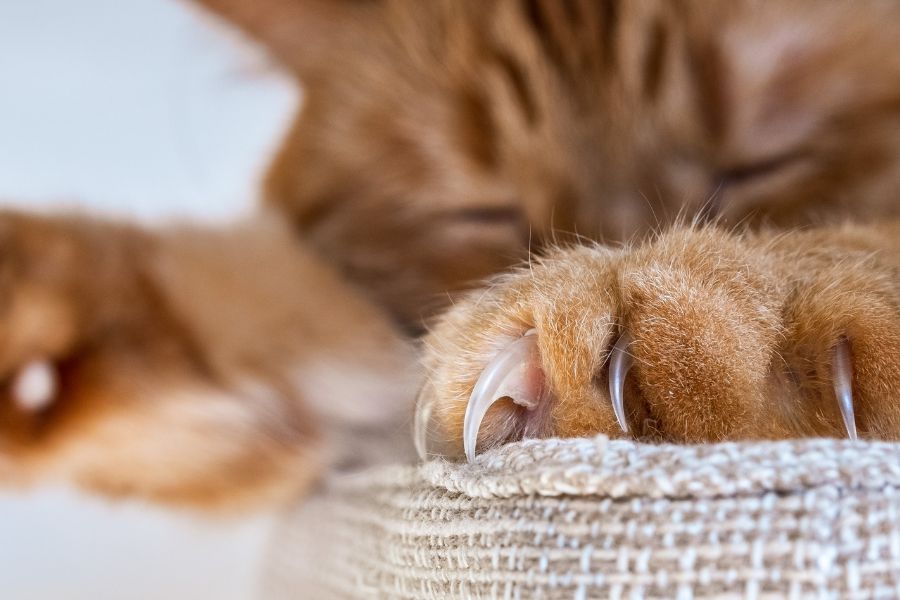
Scratching removes the outer layer of their claws. It keeps them sharp and healthy.
2. Marking Territory
Cats have scent glands in their paws. When they scratch, they leave both a visual mark and a scent signal.
3. Stretching and Exercise
Scratching helps cats stretch their muscles, especially along their back and legs.
4. Stress Relief
Scratching can help cats release tension or anxiety.
5. Habit and Preference
If your sofa feels sturdy and satisfying under their claws, your cat will return to it again and again.
When you see scratching this way, it becomes clear that the goal is not to stop the behavior completely. The goal is to redirect it.
How to Stop Cats from Scratching Furniture
You don’t need harsh corrections or punishment. A combination of redirection, environment changes, and consistency works best.
1. Provide Better Alternatives
Cats scratch what feels good. If your furniture wins, it means their scratching options are not appealing enough.
Choose the Right Scratching Post
Look for:
- Tall enough for a full stretch
- Stable and sturdy
- Covered in materials like sisal or cardboard
Try Different Types
Some cats prefer vertical posts, while others like horizontal scratchers. Offer both to see what your cat prefers.
Placement Matters
Place scratching posts:
- Near the furniture, they have already scratched
- Close to sleeping areas
- In common living spaces
Cats often scratch when they wake up, so location makes a difference.
2. Make Furniture Less Appealing
While you improve alternatives, reduce the appeal of your furniture.
Use Protective Covers
- Slipcovers or throws can protect surfaces
- Temporary plastic guards can prevent damage
Try Safe Deterrents
Cats dislike certain textures and smells:
- Double-sided tape
- Citrus scents (pet-safe only)
Avoid anything that could harm your cat. The goal is to make the surface less inviting, not scary.
3. Train with Positive Reinforcement
Cats learn best when rewarded for good choices.
Reward the Right Behavior
When your cat uses the scratching post:
- Offer treats
- Use praise
- Give attention
This builds a positive connection with the correct behavior.
Interrupt Gently
If your cat starts scratching furniture:
- Redirect them to the post
- Avoid yelling or punishment
Consistency is key. Over time, your cat will choose the better option.
4. Keep Claws Trimmed
Regular nail trimming reduces damage and makes scratching less destructive.
- Trim every 2–3 weeks
- Use proper pet nail clippers
- Ask a professional if you’re unsure
If you’re concerned about your cat’s scratching habits or stress levels, it may help to visit our website to learn when a veterinary check is appropriate. Sudden behavior changes can sometimes signal underlying issues.
5. Use Nail Caps as a Temporary Solution
Soft nail caps can prevent damage while you train your cat.
- Safe and painless
- Usually lasts a few weeks
- Available in different sizes
They are not a permanent fix, but they can protect your furniture during the training phase.
6. Enrich Your Cat’s Environment
A bored cat is more likely to scratch out of habit or frustration.
Add Stimulation
- Interactive toys
- Climbing trees
- Window perches
Schedule Playtime
Daily play reduces stress and burns energy. A tired cat is less likely to engage in unwanted scratching.
7. Address Stress or Anxiety
If scratching increases suddenly, stress may be the cause.
Look for triggers like:
- New pets
- Changes in routine
- Moving homes
In these cases, scratching becomes a coping mechanism. Addressing the root cause will help reduce the behavior.
Common Mistakes to Avoid
Even with good intentions, some approaches can make things worse.
1. Punishing Your Cat
This creates fear, not learning. Your cat may scratch when you’re not around instead.
2. Removing Scratching Options
Cats need to scratch. Without an outlet, they will return to your furniture.
3. Inconsistency
If rules change day to day, your cat won’t understand what’s expected.
A Simple Plan That Works
If you feel overwhelmed, start with this clear plan:
- Place a scratching post next to the damaged furniture
- Cover or protect the furniture temporarily
- Reward your cat every time they use the post
- Trim nails regularly
- Add play and enrichment
Stick with it. Most cats adjust within a few weeks.
When to Seek Veterinary Advice
Sometimes, scratching is linked to deeper issues like anxiety or discomfort.
Contact a veterinarian if:
- Scratching becomes excessive
- Your cat seems restless or stressed
- There are sudden behavior changes
A professional can help rule out health concerns and guide behavior solutions.
Conclusion: Protect Your Home While Supporting Your Cat
Learning how to stop cats from scratching furniture starts with understanding your cat’s needs. Scratching is not a problem to eliminate. It’s a behavior to guide.
When you provide the right outlets, protect your furniture, and stay consistent, you create a home where both you and your cat feel comfortable.
If scratching feels excessive or linked to stress, it’s worth taking the next step. A professional can help you understand what’s going on and create a tailored plan. When needed, don’t hesitate to book an appointment to ensure your cat’s behavior and well-being are on the right track.
Your sofa can stay safe, and your cat can stay happy.
Frequently Asked Questions(FAQs):
1. How do I stop my cat from scratching furniture completely?
A: You can’t stop scratching entirely, but you can redirect it. Provide appealing alternatives and reward your cat for using them.
2. Why does my cat ignore the scratching post?
A: It may be the wrong type, size, or location. Try different materials and place it near areas your cat already uses.
3. Are scratching deterrent sprays safe?
A: Most pet-safe sprays are fine, but always check ingredients. Avoid anything with strong chemicals.
4. How often should I trim my cat’s nails?
A: Every 2–3 weeks works for most cats. Regular trimming reduces damage.
5. Do cats scratch more when stressed?
A: Yes. Scratching can increase with stress or anxiety. Look for environmental changes that may be affecting your cat.
6. Are nail caps a long-term solution?
A: They are best used temporarily while training your cat to use scratching posts.