Prompt, Reliable Same-Day Visits Available!

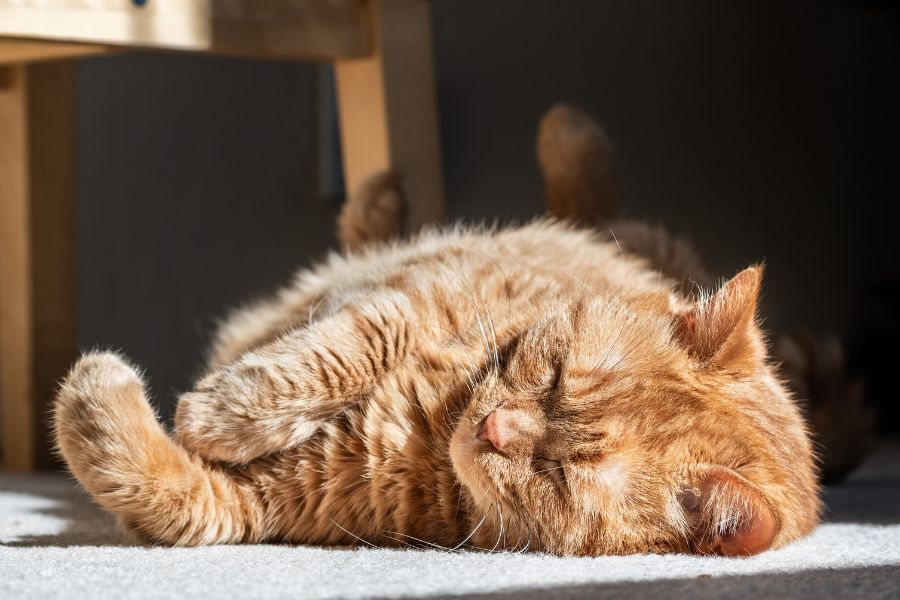
The Maine Coon is a recognizable cat, known for its impressive size, tufted ears, flowing coat, bushy tail, and friendly nature. Its story is just as distinctive. This breed developed in North America, became associated with Maine, earned a reputation as a farm and ship cat, and eventually gained international popularity. This guide explores Maine Coon origins, legends, early records, physical adaptations, cat shows, and defining traits. It explains what is known, what remains uncertain, and why responsible veterinary care matters.
Where Did the Maine Coon Cat Come From?
The Maine Coon originated in the northeastern United States, with Maine recognized as its historic home today. Before modern cat registries existed, large long-haired cats lived around farms, homes, and coastal communities.
The breed likely developed through natural breeding among domestic and long-haired cats brought to North America by travelers and settlers. Cold winters favored dense coats, large bodies, broad paws, and substantial tails. This climate may have shaped the Maine Coon characteristics people admire today.
Its development was tied to working life, local environments, and natural selection.
Maine Coon History: Fact Versus Legend
Maine Coon history includes several colorful stories. One popular tale claims the cats descended from raccoons because of their striped tails and the name “Coon.” Cats and raccoons cannot produce offspring.
Another legend connects the breed to Marie Antoinette. The story says the French queen sent long-haired cats ahead to America during an escape plan. The cats supposedly reached Maine and contributed to the breed. Evidence does not establish this connection.
Seafaring may explain part of the story. Long-haired cats could have traveled aboard ships and later bred with local cats. Specific parent breeds remain unknown.
No single origin story has been proven. The Maine Coon emerged in North America, with Maine central to its early identity.
Early Maine Coon Cats in New England
By the nineteenth century, Maine Coon cats were familiar sights at rural homes and farms. Their hunting ability made them useful for controlling rodents, while their calm temperament suited household life.
The breed gained attention through agricultural fairs and cat exhibitions. A Maine Coon won Best Cat at the 1895 Madison Square Garden show in New York. Recognition at prominent shows helped establish these cats as more than working animals.
A long coat, large frame, ear tufts, and long tail created a distinctive silhouette.
How the Maine Coon Became an Established Breed
Organized cat associations changed the Maine Coon’s future. Breed standards defined features, while pedigrees created clearer ancestry records. Breeders worked to preserve its natural appearance and friendly personality.
Interest declined during the twentieth century as other long-haired breeds became fashionable. Dedicated breeders helped prevent the Maine Coon from fading from the show world. The breed later became one of the most popular pedigreed cats in the United States.
Modern Maine Coon cats still reflect their historical roots. They mature slowly, can become exceptionally large, and retain the social temperament behind the nickname “gentle giant.”
What Makes a Maine Coon Look Different?
Coat and Tail
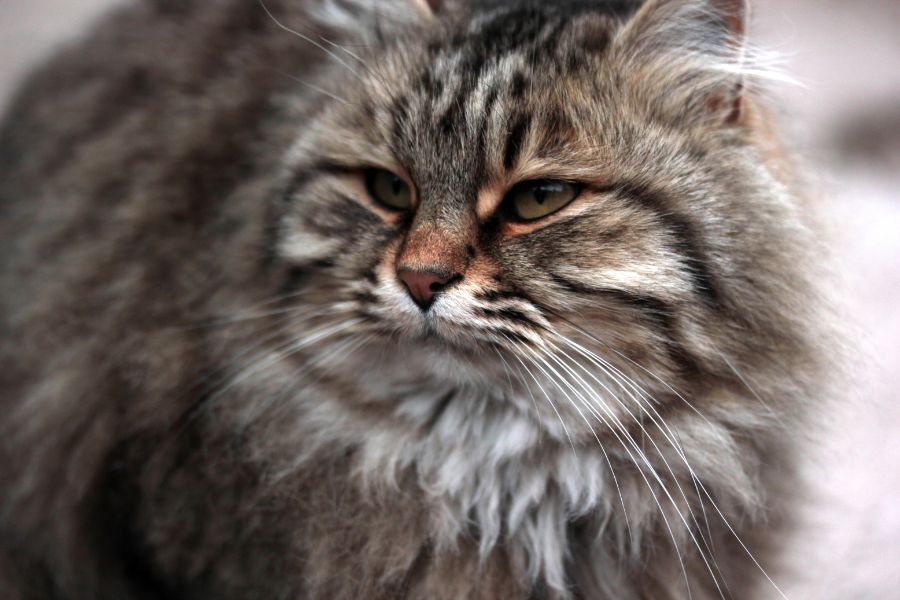
The Maine Coon has a shaggy, water-resistant coat that helped protect it from cold weather. Longer hair appears around the neck, stomach, and tail. Its tail is long and full.
Ears, Paws, and Size
Large ears may feature lynx-like tufts, while broad paws support a substantial body. Growth can continue for several years.
Personality
Maine Coons are commonly described as affectionate, intelligent, playful, and sociable without being overly demanding. Many follow people around the home, investigate activities, or communicate with soft chirps and trills.
Why Is the Maine Coon So Popular Today?
The Maine Coon combines striking looks with an approachable personality. Families appreciate its sociability, intelligence, and adaptability. Its history adds appeal because the breed was shaped by North American life.
Popularity brings responsibility. A large cat needs nutrition, grooming, enrichment, safe spaces, and routine veterinary care. Regular attention can reveal changes in weight, mobility, appetite, coat, or behavior.
The Maine Coon Legacy
The Maine Coon’s history is a blend of documented milestones, reasonable theories, and enduring folklore. Its roots are connected to Maine and New England. Its exact ancestry remains uncertain, yet that does not diminish its significance.
From working farms and coastal communities to cat shows and modern homes, the Maine Coon has maintained a identity. Its size, coat, intelligence, and gentle personality reflect a long connection to people and place.
Frequently Asked Questions
1. Where did Maine Coon cats originate?
A: Maine Coon cats originated in the northeastern United States, with Maine recognized as their historic home. Their development occurred naturally among cats living around farms, homes, and coastal communities rather than through one documented breeding program.
2. Are Maine Coon cats related to raccoons?
A: No. The idea that Maine Coon cats descended from raccoons is a popular legend. Cats and raccoons are different species and cannot produce offspring. The breed’s name and bushy tail likely encouraged this colorful myth.
3. How did Maine Coon cats get their long hair?
A: Their exact long-haired ancestry is unknown. Historical theories suggest long-haired cats arriving from Europe may have bred with local North American cats. Cold regional weather may have favored dense, protective coats over generations.
4. When did Maine Coon cats become popular?
A: Maine Coon cats gained public attention during nineteenth-century agricultural fairs and cat shows. A Maine Coon won Best Cat at the 1895 Madison Square Garden show, helping demonstrate the breed’s appeal to a wider audience.
5. Why are Maine Coon cats called gentle giants?
A: They are called gentle giants because of their impressive size and generally friendly temperament. Many Maine Coons are sociable, playful, intelligent, and affectionate, creating a striking contrast with their large, powerful appearance.
6. Do Maine Coon cats need special care?
A: Maine Coon cats benefit from regular grooming, balanced nutrition, exercise, enrichment, and routine health monitoring. Their size and long coat make consistent care especially useful. Owners should discuss individual needs with their cat’s care team.