Prompt, Reliable Same-Day Visits Available!

Managing diabetes in dogs goes far beyond just choosing the right type of food. One of the most critical yet often overlooked aspects of a diabetic dog diet is how you time meals and control portions. Just like in people, a consistent feeding routine paired with carefully measured portions can help regulate blood sugar, improve energy levels, and prevent dangerous spikes or drops in glucose.
In this guide, we’ll explore why meal timing and portion control matter, how to structure a feeding schedule, and the key differences between overfeeding and underfeeding a diabetic dog. By the end, you’ll understand how to strike the right balance for your furry friend’s long-term health.
Why Meal Timing Is More Than Just a Routine
Timing meals properly plays a vital role in managing canine diabetes. Dogs with diabetes usually rely on insulin therapy, and the effectiveness of insulin is closely tied to when your dog eats. Feeding at irregular times may cause glucose fluctuations, leading to fatigue, excessive thirst, or even serious complications.
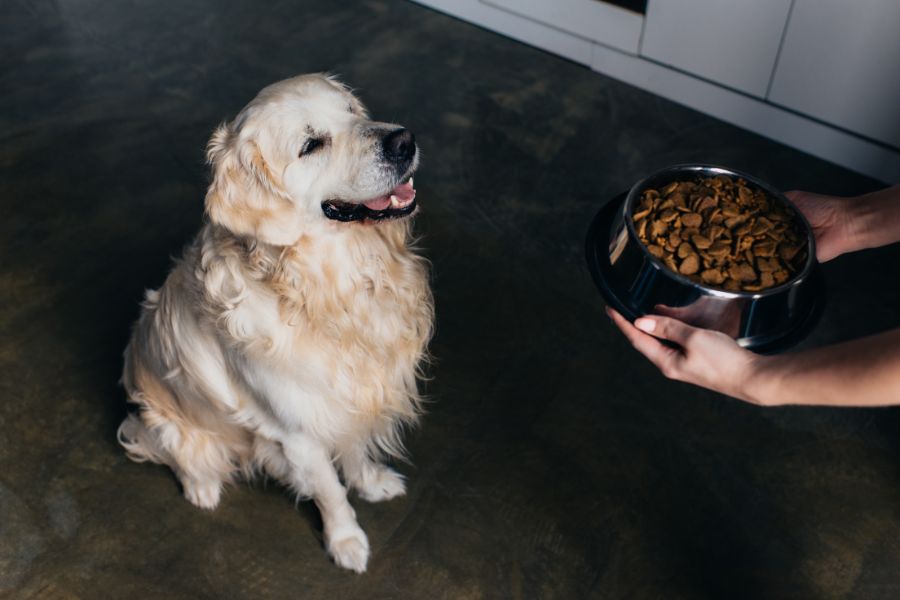
For this reason, consistency is key. Feeding your dog at the same times every day helps stabilize blood sugar and ensures that insulin works efficiently. Most diabetic dogs do best with two evenly spaced meals per day, served at the same time insulin is administered.
Spot the Difference:
- Consistent feeding schedule = Stable blood sugar, better energy, predictable results.
- Inconsistent feeding schedule = Unstable glucose levels, risk of health complications, erratic behavior.
Clearly, the difference can impact your dog’s quality of life significantly.
The Power of Portion Control in a Diabetic Dog Diet
While timing matters, portion control is equally important. Giving too much food can cause obesity, while feeding too little can lead to low blood sugar, or hypoglycemia. Both situations are harmful to diabetic dogs.
Using a measuring cup or a digital kitchen scale ensures that your dog gets the right amount of food every time. Free-feeding—where food is left out all day—is never recommended for diabetic pets because it makes insulin regulation almost impossible.
Think of portion control as your dog’s best defense against fluctuating glucose. When combined with a balanced diabetic dog diet, precise portions promote weight management and help insulin perform optimally.
Building Balanced Meals: What to Include
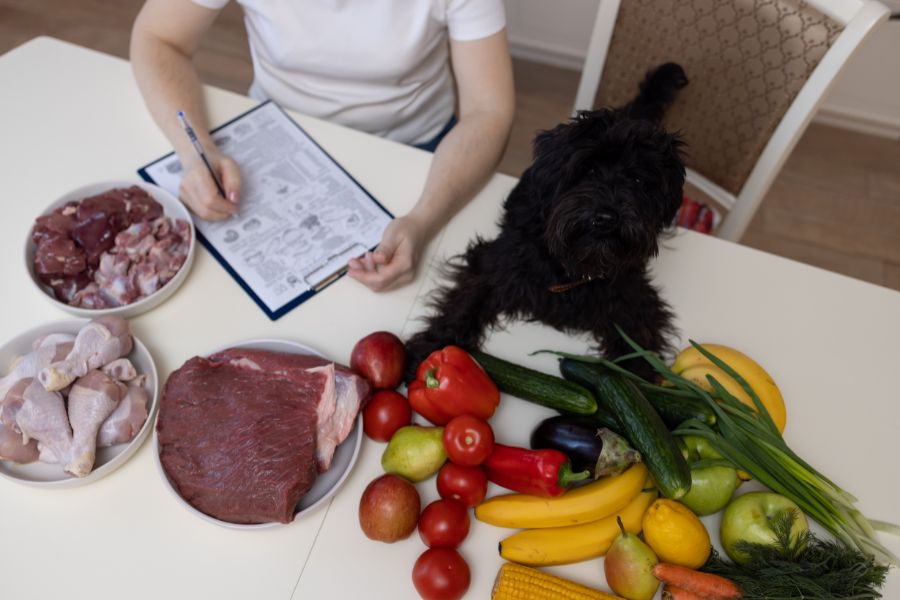
Meal timing and portion control work best when paired with the right type of food. Diabetic dogs benefit from a high-fiber, moderate-protein, and low-fat diet. Fiber slows down the absorption of glucose, helping maintain steady blood sugar levels throughout the day.
Good food choices include:
- Prescription diabetic dog foods recommended by your vet
- Lean protein sources like chicken or turkey
- Fiber-rich vegetables such as green beans and carrots
- Complex carbohydrates like barley or sweet potato
Always avoid table scraps, sugary treats, or high-fat snacks. Instead, opt for diabetic-friendly dog treats that align with your pet’s meal plan.
Morning vs. Evening Meals: Striking the Right Balance
Some pet parents wonder whether it’s better to feed larger meals in the morning or evening. The truth is, balance is what matters most. Ideally, both meals should be equal in size and nutrient composition to keep blood glucose stable.
Spot the Difference in Feeding Patterns:
- Balanced meals twice daily → Stable energy, fewer glucose fluctuations, improved mood.
- Uneven meals (large breakfast, small dinner or vice versa) → Risk of glucose imbalances, inconsistent insulin response.
By maintaining balanced meals, you create a rhythm that your dog’s body—and insulin—can rely on.
Snacks or No Snacks?
Many pet owners struggle with whether to offer snacks to diabetic dogs. Occasional, vet-approved snacks are fine, but they must be carefully factored into the daily calorie count. Treats should never make up more than 10% of your dog’s diet.
If you do give snacks, make sure they are offered at the same times daily, preferably between meals. This way, you avoid accidental glucose spikes while still rewarding your pup.
Monitoring and Adjusting Along the Way
No two diabetic dogs are exactly alike, which means meal timing and portion control may need adjusting. Regular veterinary checkups, glucose monitoring, and keeping a feeding log help identify patterns. If you notice your dog becoming lethargic, excessively thirsty, or unusually hungry, consult your veterinarian about adjusting their feeding schedule or portion sizes.
Remember, what works for one dog may not work for another, so personalized adjustments are often necessary.
Spotting the Difference: Overfeeding vs. Underfeeding
Overfeeding and underfeeding diabetic dogs produce very different outcomes. Understanding these differences helps you recognize warning signs early.
- Overfeeding: Weight gain, insulin resistance, higher risk of complications.
- Underfeeding: Hypoglycemia, weakness, shakiness, potential emergencies.
Both extremes are dangerous, which is why portion accuracy matters as much as the food itself. With a structured diabetic dog diet, you can prevent both problems and keep your pup thriving.
Practical Tips for Success
To make meal timing and portion control easier, here are some practical tips:
- Feed at the same times daily, ideally 12 hours apart.
- Use a measuring cup or digital scale for accuracy.
- Pair meals with insulin administration as advised by your vet.
- Avoid free-feeding and table scraps.
- Keep a daily log of feeding times, portions, and insulin doses.
- Stay consistent—even small changes can impact blood sugar levels.
Meal timing and portion control may sound like small details, but they play a massive role in the success of a diabetic dog diet. By feeding on a consistent schedule, offering balanced meals, and controlling portions, you give your dog the best chance at a healthy and stable life.
Managing diabetes in dogs may seem challenging, but with the right diet, your furry friend can enjoy a healthy, happy life. If you need advice or want to learn more about diabetic diets from a veterinarian near you, then schedule a consultation with Tranquility Veterinary Clinic today.
Related Articles