Prompt, Reliable Same-Day Visits Available!

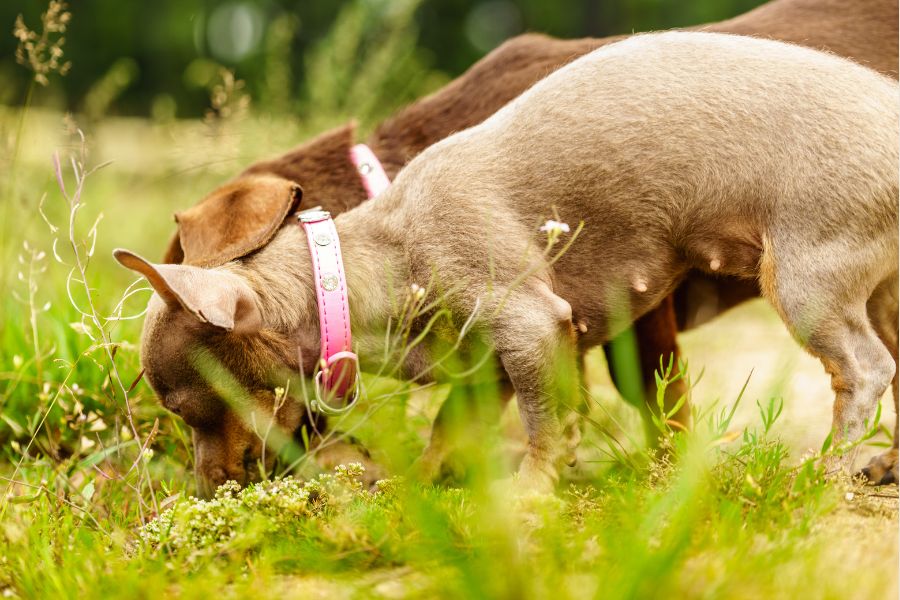
Dogs are beloved companions with many quirky habits, and one common behavior that often puzzles pet parents is their tendency to chew or eat grass. While it may seem strange, this behavior is connected deeply to their dietary needs, especially the role of fiber. This blog unravels why fiber is essential for your dog and how grass eating fits into their instincts and health.
Crunching on Nature’s Fiber: Why Fiber Matters for Dogs
Just like humans, dogs need fiber in their diets for proper digestion and overall wellness. Fiber is a type of carbohydrate found mainly in plant-based foods, and it plays a crucial role in promoting healthy bowel movements and maintaining gut health. Dogs that consume insufficient fiber may experience digestive issues like constipation or irregular stool.
When dogs eat a balanced diet with adequate fiber, they tend to have smoother digestion and steady energy levels. Typically, fiber comes from fruits, vegetables, and specially formulated dog foods. However, if a dog’s diet lacks enough fiber, they may instinctively seek alternative sources—often chewing on grass to fill the gap.
Grass: An Unexpected Fiber Supplement for Your Furry Friend
Grass contains a lot of roughage, a form of dietary fiber that helps stimulate digestion and relieve stomach discomfort. Dogs might graze on grass to add more fiber to their system when their usual diet falls short. Interestingly, dogs cannot digest grass fully since it’s mostly cellulose, but the roughage aids in moving food through their digestive tracts effectively.
Sometimes, grass eating helps dogs who suffer from mild digestive upset or constipation. The fiber content can soothe their stomach, promote bowel movements, and even settle nausea. In this way, grass eating can be seen as a natural “self-help” approach for dogs needing more fiber or digestive relief.
Balancing Your Dog’s Diet: Tips to Reduce Grass Eating
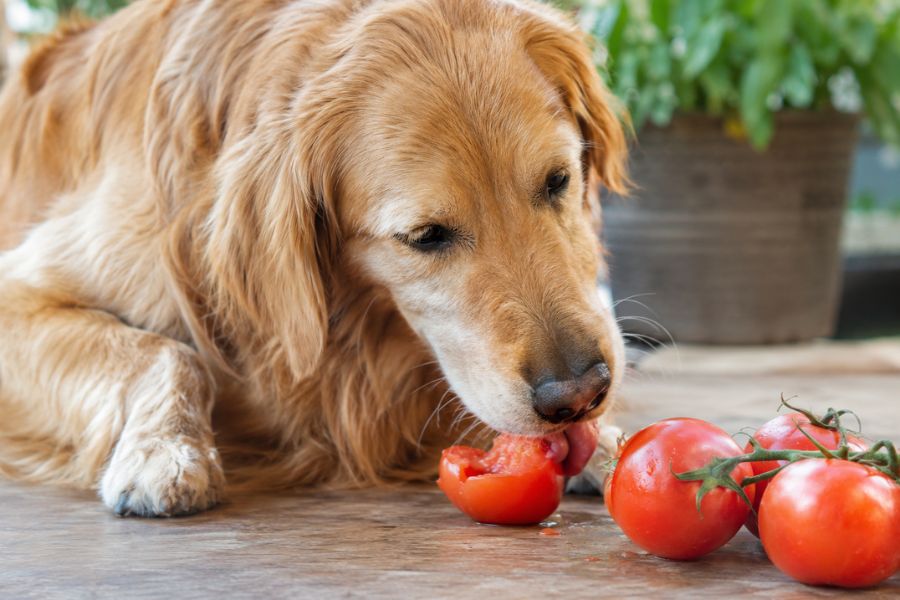
If your dog frequently munches on grass, it might be a sign to evaluate their nutrition. Incorporating fiber-rich ingredients such as pumpkin, carrots, apples, and leafy greens can enhance their diet and reduce the urge to graze on grass.
Moreover, switching to a high-fiber dog food or introducing fiber supplements can also be beneficial. However, moderation is key — too much fiber can upset their digestion. Consulting with a professional like the veterinary clinic in Tranquility, NJ, can guide you in designing a balanced diet tailored to your pet’s needs.
When Grass Eating is More than Just Fiber Seeking
While grass eating is often harmless, excessive or compulsive chewing could indicate dietary deficiencies beyond fiber or underlying health conditions. For instance, some dogs may eat grass due to boredom, anxiety, or other behavioral concerns.
Furthermore, if grass eating is accompanied by vomiting, diarrhea, or lethargy, it signals a need for veterinary evaluation. Early consultation with trusted veterinary professionals helps ensure your dog stays healthy and that any medical issues are addressed promptly.
With these insights, you can better understand why your dog might be drawn to grass and how fiber plays a pivotal role in their diet. Providing a balanced, fiber-rich diet and regular veterinary care will help keep your canine friend healthy and happy.
FAQs(Frequently Asked Questions)
1. Does my dog eating grass mean anything?
A: Eating grass can be a natural behavior linked to their dietary needs, especially fiber intake. Dogs may also do it out of boredom, instinct, or to soothe an upset stomach. It doesn’t always indicate a health problem, but frequent grass eating warrants attention to diet and behavior.
2. Should I let my dog eat grass if they want to?
A: Occasional grass eating is generally safe as long as the grass is free from pesticides, fertilizers, or harmful chemicals. However, monitor your dog’s behavior and health, and try providing alternative high-fiber foods to satisfy their dietary needs.
3. What nutritional deficiencies cause dogs to eat grass?
A: A lack of dietary fiber is the most common reason dogs chew on grass. Deficiencies in vitamins or minerals could also prompt this behavior. Ensuring your dog has a balanced diet with adequate fiber and essential nutrients helps reduce grass eating.
4. Do dogs eat grass when they’re feeling sick?
A: Yes, dogs sometimes eat grass to relieve stomach discomfort or nausea. The fiber in grass can help with digestion and can even induce vomiting if they need to clear their stomach. Persistent grass eating with signs of illness should prompt a visit to a veterinary clinic in Tranquility, NJ.