Prompt, Reliable Same-Day Visits Available!

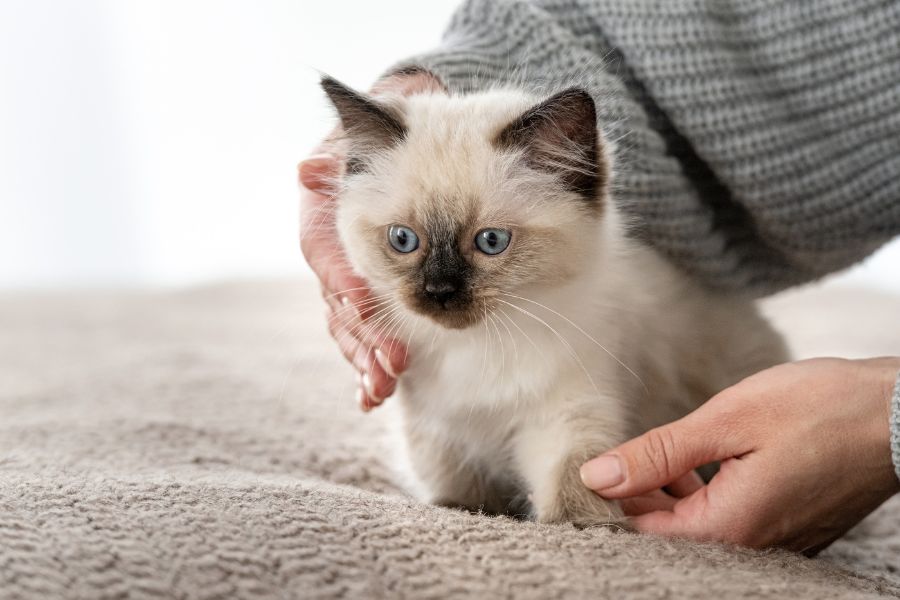
Kittens grow quickly during their first year of life, yet many cat owners wonder when cats stop growing and what milestones indicate adulthood. While each cat develops at its own pace, clear patterns have been observed in feline growth. By understanding these stages, cat parents can support healthy development and anticipate changes in size, behavior, and needs.
In this guide, the entire kitten growth journey will be explained—right from newborn weeks to full physical maturity. Additionally, factors that influence size, nutrition tips, and common FAQs will also be included to help you gain complete clarity.
Understanding the Early Growth Stages
Feline development begins rapidly. Even during the first few weeks, essential transformations are constantly occurring.
0–2 Weeks: The Neonatal Period
During this time, a kitten’s eyes remain closed, and mobility is limited. Growth is fueled almost entirely by the mother’s milk. Body temperature regulation and immune support are still dependent on the mother. Though small, kittens double their weight by the end of the second week.
2–4 Weeks: Sensory Development
Eyes and ears gradually open, and the world becomes more interactive. During this period, early coordination begins, and playful instincts emerge. Weight continues increasing steadily, and the first noticeable signs of rapid physical development appear.
4–8 Weeks: Socialization and Mobility
By one month old, kittens start walking, exploring, and becoming more confident. Solid food may be introduced slowly, and key motor skills are established. Owners often notice noticeable size changes every few days. Many new cat parents also begin asking when cats stop growing as the pace of development becomes more evident.
8–16 Weeks: The True Growth Surge
During this stage, the fastest growth period occurs. Adult eye color develops, muscles strengthen, and bone structure becomes more defined. Kittens also transition fully to solid food. Their weight may triple during this timeframe, and playful behaviors become more intense.
The Juvenile Phase: 4–12 Months
Once the four-month mark is reached, kittens enter the juvenile stage. Although the most dramatic changes happen earlier, steady growth continues across these months. Limbs lengthen, facial features mature, and body mass increases.
By six months, many cats look nearly adult in size but still have growing left to do. Yet, even at this age, owners may wonder again: when do cats stop growing? Most kittens continue developing throughout their first year, but the final growth phase varies depending on several factors.
When Do Cats Become Fully Grown?
On average, cats reach full physical size between 12 and 18 months. However, variations exist:
Small and Medium Breeds
Domestic shorthairs and many common mixed-breed cats usually achieve full adult size closer to the 12-month mark.
Large Breeds
Breeds such as Maine Coons, Ragdolls, and Norwegian Forest Cats often continue growing until 18–24 months, with some taking up to 3 years to reach full maturity.
Male vs. Female Growth
Males generally grow for a slightly longer period and tend to be larger at maturity.
Spayed/Neutered Cats
Growth plates may close earlier in altered cats, but overall size is not significantly affected.
Because of these variables, the question “when do cats stop growing?” does not have a single universal answer. Instead, growth depends on genetics, nutrition, breed, and health.
Factors That Influence a Cat’s Growth
Several elements play essential roles in determining how quickly a cat reaches maturity.
1. Genetics
Genetics determines both maximum size and the rate at which growth occurs. Every kitten inherits growth patterns from its parents, influencing how soon adulthood is reached.
2. Nutrition
A balanced diet is vital throughout the first year. High-quality kitten food provides essential proteins, healthy fats, and nutrients that support muscle, bone, and immune development.
3. Health and Medical Conditions
Growth may be slowed by parasites, infections, or other underlying issues. Routine checkups—including one with a Tranquility veterinarian—can ensure proper development and early detection of concerns.
4. Breed Characteristics
Some breeds simply grow for longer periods. Larger breeds take more time to reach their full potential size.
Physical and Behavioral Signs of Adulthood
When adulthood approaches, changes in both appearance and personality can be observed.
Physical Signs:
- Full muscle definition
- Stabilized weight
- Complete adult coat
- Mature facial structure
Behavioral Signs:
- More predictable energy levels
- Established social behaviors
- Less destructive play
- Greater independence
When these traits appear, you are likely nearing the final stage of development—and it becomes clear when cats stop growing and transitioning into fully mature adults.
Supporting Healthy Growth
Although natural growth processes vary, supportive care can ensure healthy development.
Provide Proper Nutrition
Feeding kitten-specific diets is crucial until at least 12 months of age. These diets contain higher calorie content and essential nutrients that promote strong bones and muscles.
Encourage Moderate Play
Play supports muscle development and coordination. Toys, climbing posts, and interactive activities encourage healthy movement.
Regular Veterinary Checkups
Exams help monitor weight, development, and health. Early issues can be corrected before they influence long-term growth.
Create a Safe Environment
A secure, enriched space helps kittens thrive physically and emotionally.
FAQs: Kitten Growth and Adult Size
1. When do cats stop growing?
A: Most cats stop growing between 12 and 18 months, though larger breeds may continue developing until 2–3 years of age.
2. Do kittens grow at a steady rate?
A: Growth is fastest during the first six months and slows as they approach adulthood.
3. Does diet affect how big a cat becomes?
A: Yes, poor nutrition can restrict growth, while balanced kitten food supports normal development.
4. Can spaying or neutering influence size?
A: Growth plates may close earlier, but overall adult size is usually not drastically affected.
5. Why do some cats grow slower than others?
A: Breed traits, genetics, health conditions, and nutrition all influence growth rates.
6. At what age does a cat reach full mental maturity?
A: Mental or behavioral maturity is typically reached around 2–3 years of age, even after the body has stopped growing.