Prompt, Reliable Same-Day Visits Available!

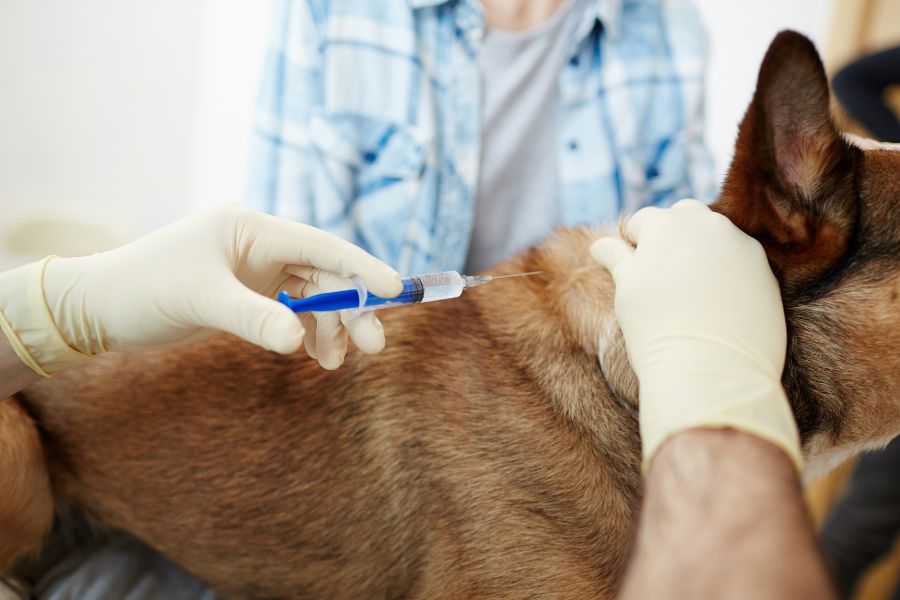
When your dog was a puppy, vaccine visits were frequent and easy to track. But once those early shots are done, many owners start asking the same question: Does my adult dog still need booster shots?
It’s a fair question. You want to protect your dog, but you also want to avoid unnecessary treatments. The answer lies in understanding how core vaccines for dogs work, how long immunity lasts, and what experts recommend for adult pets.
This guide walks you through what you need to know, in plain language, so you can make informed decisions with confidence.
What Are Core Vaccines for Dogs?
Core vaccines are the shots that protect dogs from serious, widespread, and potentially fatal diseases. They are recommended for all dogs in the United States, no matter their lifestyle.
The main core vaccines for dogs protect against:
- Rabies
- Distemper
- Parvovirus
- Adenovirus (canine hepatitis)
These diseases are not mild. They can cause severe illness, long hospital stays, and even death. Some, like rabies, can also spread to humans.
Because of the risks, these vaccines form the foundation of every dog’s vaccination plan.
Why Puppies Need Multiple Doses
Puppies receive a series of vaccines because their immune systems are still developing. They also carry antibodies from their mother that can interfere with early vaccines.
The repeated doses help ensure their immune system responds strongly and builds lasting protection.
After the puppy series is complete, a booster is usually given at about one year of age. That one-year booster plays a key role in building long-term immunity.
But what happens after that?
Do Adult Dogs Still Need Booster Shots?
Yes, adult dogs often still need boosters for core vaccines for dogs — but not as often as puppies.
Most adult dogs receive core vaccine boosters every three years after their one-year booster. Rabies boosters may follow a one-year or three-year schedule, depending on state laws and the vaccine used.
The reason boosters are spaced out is simple: research shows that immunity for distemper, parvovirus, and adenovirus usually lasts several years in healthy adult dogs.
That means annual core vaccines are not typically necessary for most adult dogs.
How Long Does Immunity Really Last?
Studies have shown that immunity from core vaccines for dogs can last at least three years in most adult dogs. Some dogs may even remain protected longer.
However, not every dog responds the same way. Immunity depends on:
- Overall health
- Age
- Immune system strength
- Vaccine history
- Exposure risk
This is why vaccination schedules are guidelines, not one-size-fits-all rules.
What About Titer Testing?
You may have heard of vaccine titers. A titer test is a blood test that measures whether your dog still has antibodies against certain diseases.
If antibodies are present at protective levels, a booster may not be needed right away.
Titer testing is most commonly used for:
- Distemper
- Parvovirus
Rabies titers do not replace legally required rabies vaccines in most states.
Titer testing can be helpful for owners who want to avoid unnecessary vaccines. It adds another layer of information when making decisions about core vaccines for dogs.
Why Boosters Still Matter
If immunity fades and a dog is exposed to disease, the outcome can be serious.
Let’s look at what these diseases can cause:
1. Distemper
A virus that affects the respiratory, digestive, and nervous systems. It can lead to seizures and long-term neurological damage.
2. Parvovirus
A highly contagious virus that causes severe vomiting and diarrhea. It can be fatal, especially in unvaccinated dogs.
3. Adenovirus
Causes liver disease and respiratory illness.
4. Rabies
A fatal virus that affects the nervous system and poses a public health risk.
Boosters help refresh the immune system’s memory. They remind the body how to respond quickly if exposure occurs.
Skipping boosters without guidance can leave gaps in protection.
Are Annual Vaccines Necessary?
Many people still assume dogs need yearly shots across the board. That was common practice decades ago.
Current guidelines from major veterinary organizations recommend three-year intervals for most core vaccines for dogs after the first adult booster.
That said, annual visits are still important. During these visits, your veterinarian:
- Reviews vaccine history
- Assesses lifestyle changes
- Performs a physical exam
- Checks for early signs of illness
Vaccines may not be needed every year, but evaluations are.
This is part of responsible pet preventive care, which focuses on early detection and long-term health planning.
Lifestyle Factors That Influence Booster Timing
Not every dog has the same exposure risk. Consider these questions:
- Does your dog visit dog parks?
- Does your dog travel or board frequently?
- Does your dog interact with many other dogs?
- Does your dog live in an area with wildlife exposure?
Dogs with higher exposure risk may need closer monitoring of vaccine status.
Indoor dogs with limited exposure still require rabies vaccination due to legal requirements and public health concerns.
Senior Dogs and Boosters
As dogs age, owners often wonder if vaccines are still safe.
Healthy senior dogs usually continue to receive core vaccines for dogs on the standard three-year schedule.
However, older dogs with chronic illness may need individualized plans. In some cases, titer testing can help guide decisions. Age alone is not a reason to stop vaccinating. Health status matters more than the number of birthdays.
Are Boosters Safe?
Modern vaccines are tested for safety and effectiveness. Most dogs tolerate boosters very well.
Mild side effects may include:
- Slight soreness at the injection site
- Mild tiredness
- Low-grade fever
Serious reactions are rare. If your dog has had a vaccine reaction before, your veterinarian can adjust the plan. Open discussion about risks and benefits leads to the best outcome.
Signs Your Dog May Need a Vaccine Review
If you are unsure about your dog’s vaccine status, look for:
- Missing records
- Unknown vaccination history
- Adoption from a shelter without full documentation
- Lapsed boosters beyond three years
When records are unclear, your veterinarian may recommend restarting certain vaccines or performing titer testing.
Clear records help prevent over-vaccination and under-protection.
Making the Right Decision for Your Dog
There is no benefit in giving unnecessary vaccines. There is also no benefit in leaving your dog unprotected.
The goal is balance.
When discussing core vaccines for dogs, ask:
- When was the last booster given?
- Is my dog at a higher exposure risk?
- Would titer testing make sense?
- Are there any health conditions to consider?
A personalized approach works best.
Conclusion: Protecting Adult Dogs with Confidence
Adult dogs still need boosters for core vaccines, but not as frequently as puppies. Most healthy adult dogs receive core boosters every three years after their one-year vaccine.
Skipping boosters without guidance can leave your dog vulnerable to serious disease. Over-vaccinating without reason is also unnecessary.
The smart approach is informed decision-making based on science, lifestyle, and health status.
If you are unsure about your dog’s vaccination timeline, now is a good time to review it. Speak and schedule a consultation with Tranquility Veterinary Clinic to ensure your dog stays protected without receiving unnecessary treatments.
Staying informed keeps your dog safe — and gives you peace of mind.
Frequently Asked Questions(FAQs):
1. How often do adult dogs need core vaccine boosters?
Most adult dogs receive boosters for core vaccines for dogs every three years after their one-year booster.
2. Is rabies included in core vaccines?
Yes. Rabies is a core vaccine and is required by law in most states. The booster schedule depends on local regulations and the vaccine used.
3. Can my dog skip boosters if they stay indoors?
Indoor dogs still need core vaccines, including rabies. Viruses can enter homes through shoes, wildlife, or unexpected exposure.
4. What is a titer test, and should I request one?
A titer test measures antibodies in your dog’s blood. It can help determine whether protection against distemper and parvovirus is still strong.
5. Are booster shots risky for senior dogs?
Most healthy senior dogs tolerate boosters well. Dogs with chronic illness may need individualized plans.
6. What happens if my dog is overdue for vaccines?
If boosters are overdue, your veterinarian may recommend restarting certain vaccines or updating them based on current guidelines.