Prompt, Reliable Same-Day Visits Available!

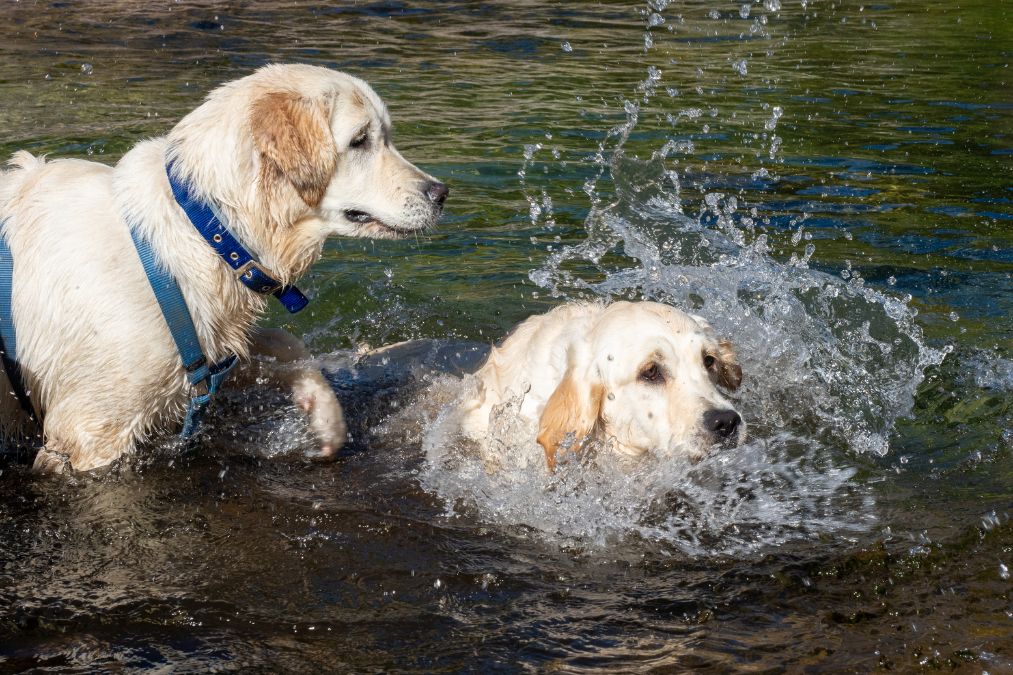
Hot weather can be challenging for pets, especially when temperatures rise quickly and humidity stays high. This guide explains how to keep dogs and cats comfortable, prevent heat-related issues, and recognize early warning signs.
You will find practical ideas for hydration, safe outdoor time, cooling techniques, and home adjustments that support your pet’s well-being. These summer safety tips for pets will help you make informed choices every day. If you live in Tranquility, NJ, seasonal heat and humidity can make proactive care even more important.
Why Heat Is Risky for Pets
Dogs and cats regulate body temperature differently from humans. They rely on limited sweating and panting, which becomes less effective during extreme heat. Thick fur, age, weight, and certain breeds can increase sensitivity to heat.
Pets that stay outdoors longer or exercise during peak temperatures face higher risks. Even indoor pets can feel uncomfortable if airflow and hydration are not managed properly. Understanding these risks allows you to act early and keep your pet safe.
Signs Your Pet May Be Overheating
1. Early Warning Signs
- Excessive panting or rapid breathing
- Drooling more than usual
- Restlessness or seeking shade
- Warm ears and paws
2. Serious Symptoms
- Vomiting or diarrhea
- Weakness or collapse
- Disorientation
- Bright red or pale gums
Keeping Your Pet Hydrated
Water is the simplest and most effective way to help pets stay cool. Always provide fresh, clean water throughout the day.
Simple Hydration Tips
- Place multiple water bowls around your home
- Add ice cubes during hotter hours
- Use pet fountains to encourage drinking
- Offer water-rich treats like cucumber slices (safe in small amounts)
Outdoor pets should always have shaded water sources. Bowls should be checked frequently since heat can warm water quickly.
Creating a Cool Living Space
Your home environment plays a major role in your pet’s comfort. Even small adjustments can make a noticeable difference.
Indoor Cooling Strategies
- Keep curtains or blinds closed during peak sunlight
- Use fans or air conditioning for airflow
- Provide cooling mats or damp towels
- Allow access to tiled or shaded floors
Pets often seek cooler surfaces naturally. Creating these spaces ensures they have a safe place to rest.
Safe Outdoor Time
Outdoor activity should be carefully timed and planned during hot weather.
Best Practices
- Walk dogs early in the morning or late evening
- Avoid hot pavement that can burn paws
- Limit exercise duration
- Always carry water during walks
A simple test is placing your hand on the pavement. If it feels too hot for you, it is too hot for your pet.
Grooming and Coat Care
Proper grooming supports natural temperature regulation. Removing excess fur improves airflow without compromising protection.
Grooming Tips
- Brush regularly to remove loose hair
- Avoid shaving double-coated breeds completely
- Keep fur clean and free of mats
Cats groom themselves often, but brushing can still help reduce heat retention.
Cooling Techniques That Work
Cooling your pet does not need to be complicated. Safe and simple methods are often the most effective.
Easy Cooling Ideas
- Use damp cloths on paws and belly
- Provide shallow water play areas
- Offer frozen treats made from pet-safe ingredients
- Let pets rest in shaded outdoor spaces
Avoid using extremely cold water or ice baths, as sudden temperature changes can cause stress.
Travel and Heat Safety
Cars can become dangerous very quickly in warm weather. Even a short stop can put your pet at risk.
Important Reminders
- Never leave pets unattended in a parked car
- Use sunshades and ventilation during travel
- Bring water and plan breaks on long trips
If you travel frequently, consider portable cooling solutions to maintain comfort.
Special Considerations for Local Weather
In Tranquility, NJ, summers often bring both heat and humidity. This combination reduces the effectiveness of panting, making pets feel hotter.
Plan indoor enrichment activities during peak heat hours. Use shaded yards and monitor pets closely after rain, as humidity levels may remain high. Adjust routines based on daily weather conditions rather than fixed schedules.
When to Seek Professional Care
Some situations require medical attention. Heat stress can escalate quickly without visible warning.
Contact a veterinarian near you if your pet shows persistent symptoms like vomiting, lethargy, or difficulty breathing. Early care supports faster recovery and reduces risk. Preventive advice from a professional can also help tailor care to your pet’s specific needs.
Building a Summer Routine
Consistency helps pets adjust to seasonal changes. A structured routine reduces stress and supports comfort.
Daily Routine Ideas
- Morning walks before sunrise
- Midday rest in cool indoor spaces
- Evening playtime after temperatures drop
- Regular hydration checks
These summer safety tips for pets can be easily integrated into your daily schedule, creating a safe and predictable environment.
Conclusion
Keeping dogs and cats cool during hot weather requires awareness, preparation, and simple daily adjustments. From hydration and grooming to safe outdoor practices, every step plays a role in protecting your pet’s comfort. Small changes can make a big difference when temperatures rise. Staying attentive to your pet’s needs ensures they remain happy and active throughout the season.
If you notice unusual symptoms or need guidance, do not hesitate to seek help. Preventive care and timely support can make all the difference. Book an appointment today to ensure your pet stays healthy and comfortable this summer.
Reach out to our Tranquility facility at 17 Kennedy Rd, Tranquility, NJ 07821—where compassionate care and community come together for your pet’s well-being.
Frequently Asked Questions(FAQs):
1. How can I tell if my pet is too hot?
A: Pets often show signs like heavy panting, drooling, and restlessness. As overheating worsens, symptoms may include vomiting, weakness, and confusion. Monitoring behavior closely helps you act quickly and prevent serious complications during hot weather.
2. Is it safe to give pets ice water?
A: Cool water is helpful, but extremely cold water should be avoided. Sudden temperature changes may cause discomfort. Offer slightly chilled water instead, and encourage frequent drinking throughout the day to maintain hydration safely.
3. Can pets stay outside during summer?
A: Pets can spend time outdoors if proper shade, water, and supervision are provided. Limit exposure during peak heat hours. Short, monitored outdoor sessions are safer than extended periods in direct sunlight or high humidity.
4. Should I shave my pet’s fur in summer?
A: Shaving is not always recommended, especially for double-coated breeds. Their coat provides insulation against heat. Regular brushing and trimming are better options to improve airflow while maintaining natural protection.
5. What surfaces are unsafe for pets in hot weather?
A: Hot pavement, sand, and metal surfaces can burn your pet’s paws. Test surfaces with your hand before walking. Stick to grass or shaded paths whenever possible to reduce the risk of injury.
6. How often should pets drink water in summer?
A: Pets should have constant access to fresh water. Drinking frequency may increase during hot weather. Check water bowls several times a day and refill as needed to ensure consistent hydration.