Prompt, Reliable Same-Day Visits Available!

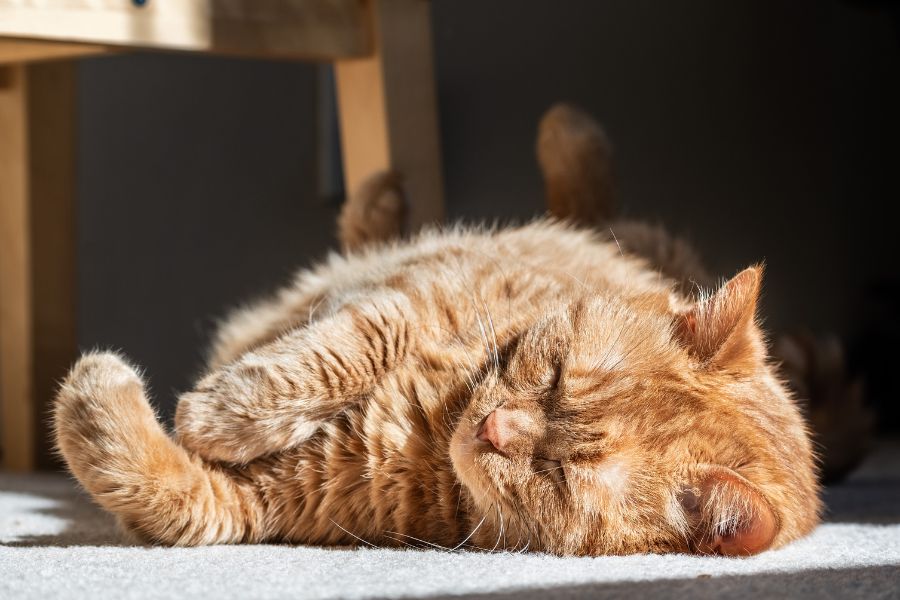
Managing your pet’s weight starts with small, consistent choices that add up over time. Treats often seem harmless, yet they can quietly increase calorie intake and slow progress. This guide explores simple, healthier alternatives that support weight loss while keeping your pet satisfied and engaged.
You will learn how to swap common snacks, portion wisely, and build routines that feel natural in daily life. Pet owners in Tranquility can benefit from these practical ideas that fit into busy schedules without adding stress.
Why Treat Choices Matter More Than You Think
Treats often carry more calories than expected. Many packaged options include added sugars, fats, and fillers that do little to support long-term health. A few extra treats each day can undo the benefits of balanced meals and regular walks. Pets rely on their owners to make mindful decisions, and even minor changes can create visible results over time.
Weight gain can also affect energy levels, joint comfort, and overall mood. Pets may appear less active or reluctant to play. A thoughtful approach to treats helps maintain a steady calorie balance while still offering rewards and positive reinforcement.
Common High-Calorie Treats to Limit
1. Store-Bought Biscuits and Chews
These are often dense in calories and low in nutritional value. Many contain preservatives and flavor enhancers that encourage overconsumption.
2. Table Scraps
Sharing human food may feel rewarding, yet it introduces excess fats and seasonings. Even small portions can disrupt a pet’s dietary balance.
3. Processed Meat Snacks
Items like sausages or deli slices are high in salt and fat. These should remain occasional at most, if used at all.
Replacing these options with lighter alternatives supports gradual weight loss without removing the joy of treats.
Healthy Treat Substitutes That Support Weight Loss
1. Fresh Vegetables as Crunchy Rewards
Carrot sticks, cucumber slices, and green beans offer a satisfying crunch with minimal calories. They also provide fiber, which helps pets feel full longer. Introduce them gradually to ensure acceptance and proper digestion.
2. Fruits in Moderation
Small pieces of apple, banana, or watermelon can serve as sweet treats. Remove seeds and avoid large portions. Natural sugars exist in fruit, so moderation remains important.
3. Lean Protein Bites
Boiled chicken or turkey without seasoning can act as a high-value reward during training. These options provide protein without unnecessary fats.
4. Homemade Treats
Simple recipes using oats, pumpkin, or plain yogurt allow better control over ingredients. Preparing treats at home reduces exposure to additives and supports healthier habits.
Smart Portion Control Techniques
1. Use Smaller Pieces
Breaking treats into tiny portions maintains the reward while lowering calorie intake. Pets respond to the act of receiving a treat rather than the size.
2. Schedule Treat Times
Offering treats at specific times prevents overfeeding. Random snacking can quickly add up throughout the day.
3. Balance With Meals
Adjust meal portions slightly when treats are included. This keeps the overall calorie count consistent.
Consistency plays a key role in helping overweight pets reach a healthier weight without feeling deprived.
Incorporating Activity With Treat Time
1. Training Sessions
Use healthy treats during short training sessions. This encourages mental stimulation and physical movement at the same time.
2. Interactive Toys
Place small treat portions inside puzzle toys. Pets stay engaged longer, which slows eating and adds activity.
3. Walk Rewards
Offer a small treat after a walk to reinforce positive behavior. This builds a connection between activity and reward.
Combining movement with treats creates a balanced routine that supports gradual weight loss.
Building Long-Term Healthy Habits
Sustainable change comes from routine. Gradual adjustments help pets adapt without stress. Start by replacing one high-calorie treat each day with a healthier option. Increase activity levels slowly, based on your pet’s comfort.
Observation is important. Monitor your pet’s response to new foods and adjust portions as needed. Weight loss should remain steady rather than rapid. A calm, consistent approach leads to better results and a happier pet.
If you’re located in Tranquility and looking for trusted veterinary care near you, then schedule an appointment with Tranquility Veterinary Clinic to explore a full range of services and guidance tailored to your pet’s needs.
Local Tips for Pet Owners in Tranquility
Seasonal weather in Tranquility allows for regular outdoor activity. Early morning or evening walks can help pets stay active without discomfort during warmer days. Local parks provide open spaces where pets can move freely and burn extra calories.
Community awareness about pet health continues to grow. Many owners are shifting toward balanced diets and mindful treat choices. Sharing experiences with other pet owners can also offer motivation and practical ideas.
Conclusion
Supporting weight loss in pets requires thoughtful choices, steady routines, and patience. Healthy treat substitutes make a meaningful difference without removing enjoyment from daily life. Small adjustments in portions, ingredients, and activity levels lead to lasting results. Owners who stay consistent often notice improved energy, better movement, and a happier companion.
These changes create a strong foundation for long-term wellness and comfort for overweight pets. We are conveniently located in Tranquility, NJ. Reach out to our facility at 17 Kennedy Rd, Tranquility, NJ 07821—where compassionate care and community come together for your pet’s well-being.
Frequently Asked Questions(FAQs):
1. What are the best low-calorie treats for pets trying to lose weight?
A: Fresh vegetables like carrots, green beans, and cucumber slices work well as low-calorie treats. They provide fiber and crunch without excess fat, making them a practical choice for regular use in a balanced routine.
2. How often should I give treats to my pet during weight loss?
A: Treats should be limited and planned. Offering them once or twice a day in small portions helps maintain consistency while avoiding excess calorie intake that could slow progress.
3. Can fruits be given daily as treats?
A: Fruits can be offered occasionally in small amounts. Natural sugars mean they should not replace vegetables or protein-based treats. Moderation ensures pets enjoy them without affecting weight goals.
4. Are homemade treats better than store-bought options?
A: Homemade treats allow better control over ingredients and portion sizes. They reduce exposure to preservatives and unnecessary additives, making them a healthier option when prepared carefully.
5. How do I know if my pet is losing weight safely?
A: Gradual weight loss, improved energy levels, and increased activity indicate progress. Sudden changes may require adjustment. Monitoring behavior and routine helps ensure steady and safe improvement.
6. What should I avoid when choosing treats?
A: Avoid high-fat, salty, and heavily processed foods. Table scraps and packaged snacks with added sugars can disrupt dietary balance and slow down weight loss efforts.