Prompt, Reliable Same-Day Visits Available!

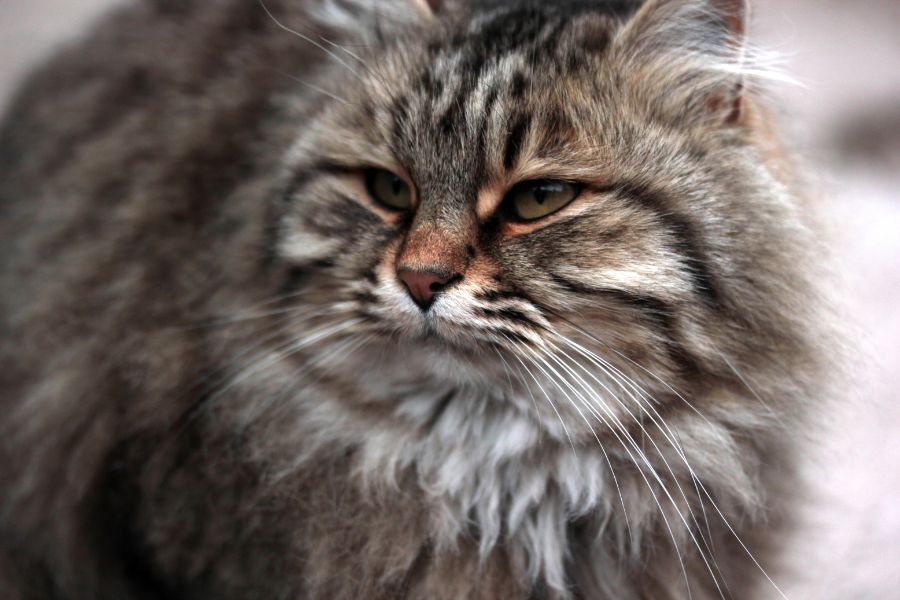
Many people dream of sharing their home with a cat, but hesitate due to allergies. This blog explores whether hypoallergenic cats truly exist, what causes allergic reactions, and which breeds may be better suited for sensitive individuals.
It also explains simple ways to manage allergens at home and how lifestyle choices can make a difference. If you live in Tranquility and are considering adopting a cat despite allergies, this guide will help you make a more informed decision.
What Causes Cat Allergies?
Cat allergies are not caused by fur itself. The primary trigger is a protein called Fel d 1, found in a cat’s saliva, skin, and dander. When cats groom themselves, this protein spreads onto their coat and into the environment.
Tiny particles can remain in the air or settle on furniture, clothing, and carpets. This makes allergic reactions persistent even when the cat is not nearby. Symptoms often include sneezing, itchy eyes, nasal congestion, or skin irritation.
Understanding this root cause helps clarify why some cats may seem more tolerable than others.
Do Hypoallergenic Cats Really Exist?
The term “hypoallergenic cats” can be misleading. No cat is completely free of allergens. Some breeds produce lower levels of Fel d 1 or shed less, which may reduce exposure.
Individual reactions vary. One person may tolerate a certain breed well, while another may still experience symptoms. Environmental factors, grooming habits, and home cleanliness also play a role.
Instead of searching for a completely allergy-free cat, it is more practical to focus on breeds and habits that help minimize allergen levels.
Best Cat Breeds for Allergy Sufferers
1. Siberian
The Siberian cat is often mentioned in discussions about lower-allergen breeds. Despite its thick coat, it may produce less Fel d 1 compared to others.
Its friendly and social nature makes it a popular choice for families. Regular grooming helps maintain cleanliness and reduces loose fur.
2. Balinese
Balinese cats have a silky, medium-length coat and are known for producing fewer allergens. They are affectionate and enjoy interaction with their owners.
They adapt well to indoor living and form strong bonds with households.
3. Bengal
Bengals have short, dense coats that require minimal grooming. They shed less than many other breeds, which may reduce allergen spread.
Their energetic personality suits active homes that can provide stimulation and playtime.
4. Russian Blue
The Russian Blue has a plush coat that traps dander closer to the skin. This may prevent allergens from spreading as easily.
They are quiet, gentle, and often prefer calm environments, making them suitable for smaller households.
5. Devon Rex and Cornish Rex
These breeds have unique, short, curly coats. They shed less and require less maintenance compared to traditional cats.
Their playful and curious nature adds a lively presence to any home.
Managing Allergies While Living with Cats
Even with a lower-allergen breed, managing your environment is essential. Small daily habits can make a noticeable difference.
1. Maintain Clean Spaces
Frequent cleaning reduces allergen buildup. Vacuum carpets, wash bedding, and wipe surfaces regularly. Using air purifiers can help improve indoor air quality.
2. Create Pet-Free Zones
Designate certain areas, such as bedrooms, as cat-free spaces. This provides relief from continuous exposure and helps improve sleep quality.
3. Grooming Routine
Regular brushing and occasional bathing reduce loose hair and dander. If possible, have a non-allergic family member handle grooming tasks.
4. Hand Hygiene
Washing your hands after petting your cat prevents allergens from spreading to your face or other surfaces.
5. Choose the Right Furniture
Opt for materials that are easy to clean. Avoid heavy fabrics that trap allergens.
Local Considerations for Cat Owners in Tranquility
Living in Tranquility offers a quieter environment, which can be beneficial for managing allergies. Seasonal changes, however, may influence indoor air quality.
During colder months, homes are often closed, allowing allergens to accumulate. Regular ventilation and cleaning become more important.
Local pet owners often find that combining indoor cleanliness with regular grooming helps maintain a comfortable living space. Access to nearby pet care services also supports long-term pet health.
If you’re located in Tranquility and looking for trusted veterinary care near you, then schedule an appointment with Tranquility Veterinary Clinic to learn more about maintaining your cat’s health and comfort.
Choosing the Right Cat for Your Lifestyle
Selecting a cat involves more than just allergy considerations. Personality, activity level, and grooming needs should match your daily routine.
Spend time with a breed before adopting. Short visits can help you understand how your body reacts. Consider adopting from shelters that allow trial interactions.
Kittens and adult cats may produce different levels of allergens. Observing individual behavior can provide better insight than relying solely on breed characteristics.
Common Misconceptions About Cat Allergies
Many people believe that hairless cats are completely allergy-free. This is not accurate. Even hairless breeds produce allergens through skin and saliva.
Another misconception is that frequent bathing eliminates allergens. Bathing helps, but it does not remove the source of the protein.
Understanding these myths allows for more realistic expectations and better preparation.
Conclusion
Living with cats while managing allergies is possible with the right approach. While hypoallergenic cats are not completely allergen-free, certain breeds and habits can make a noticeable difference. Thoughtful choices, consistent cleaning, and awareness of your own sensitivity levels are key to maintaining comfort.
We are conveniently located in Tranquility, NJ. Reach out to our facility at 17 Kennedy Rd, Tranquility, NJ 07821 – where compassionate care and community come together for your pet’s well-being.
Frequently Asked Questions(FAQs):
1. Are hypoallergenic cats completely safe for allergy sufferers?
A: No cat is entirely allergen-free. Some breeds may produce fewer allergens, but reactions vary by individual. Testing your sensitivity before adopting is always recommended.
2. Which cat breed is best for people with mild allergies?
A: Breeds like Siberian, Balinese, and Russian Blue are often considered better options. Their lower allergen production may reduce symptoms for some individuals.
3. Can regular cleaning reduce cat allergies?
A: Yes, consistent cleaning helps minimize allergen buildup. Vacuuming, washing fabrics, and improving air circulation can significantly improve indoor comfort.
4. Do air purifiers help with cat allergies?
A: Air purifiers can capture airborne allergens and improve indoor air quality. They are especially useful in homes with limited ventilation.
5. Is grooming important for reducing allergens?
A: Regular grooming helps remove loose fur and dander. It reduces the spread of allergens throughout the home environment.
6. Should I avoid cats entirely if I have allergies?
A: Not necessarily. Many people manage allergies successfully with proper precautions and by choosing a suitable breed.