Prompt, Reliable Same-Day Visits Available!

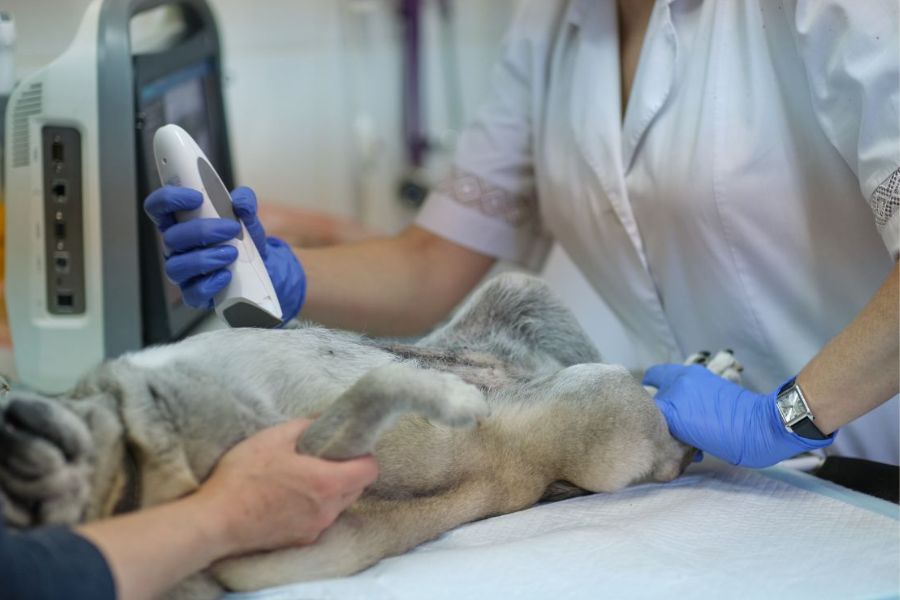
When a pet feels sick, waiting for answers can feel stressful and confusing. In-house diagnostics help clinics identify health concerns quickly through tests completed inside the hospital instead of sending samples to outside laboratories. Faster testing supports quicker treatment decisions, earlier pain relief, and a smoother recovery process for many pets.
Pet owners also gain peace of mind because they receive updates sooner and understand what is happening during the visit. Modern in-house diagnostics support blood testing, imaging, parasite screening, and other important services that help doctors respond rapidly during emergencies or routine appointments.
These tools improve communication, reduce delays, and create a more comfortable experience for pets and families in Tranquility.
What Are In-House Diagnostics?
In-house diagnostics are medical tests performed directly inside a clinic. Clinics use advanced equipment to examine blood, urine, stool samples, and digital images without relying on outside facilities. This process helps doctors understand a pet’s condition while the appointment is still happening.
Why Faster Testing Matters for Pets
Quick testing helps clinics begin treatment before a condition becomes more serious. Some illnesses progress rapidly, especially infections, dehydration, or internal injuries. Delayed results can slow treatment and increase discomfort for pets.
In-house diagnostics help doctors evaluate important body functions during a single visit. Blood tests may show signs of infection, organ stress, or anemia. Imaging can reveal injuries, swelling, or swallowed objects. Earlier detection supports faster care and more accurate monitoring.
Common Types of In-House Diagnostic Services
1. Blood Testing
Blood testing provides valuable information about a pet’s health. Clinics can quickly check blood sugar levels, kidney function, liver health, and signs of infection. Fast blood testing helps doctors decide whether a pet needs medication, fluids, surgery, or additional care.
2. Digital X-Rays
Digital X-rays create clear images within minutes. Doctors use them to evaluate broken bones, stomach problems, arthritis, or breathing concerns. Rapid imaging allows clinics to discuss treatment options immediately with pet owners.
3. Urinalysis and Parasite Screening
Urine testing helps identify bladder problems, diabetes, and dehydration. Parasite screening checks for intestinal worms or harmful organisms that affect a pet’s health. Fast results allow treatment to begin before symptoms worsen.
How In-House Diagnostics Improve Communication
Clear communication matters during stressful appointments. In-house diagnostics allow clinics to explain findings while pet owners are still present. This creates a more transparent experience because families receive information immediately instead of waiting days for updates.
Pet owners can ask questions, review test results, and understand treatment recommendations during the same visit. Faster discussions often improve confidence in the care process.
Clinics also use quick diagnostic results to monitor treatment progress. Follow-up testing may show whether the medication is working or whether a pet needs additional support. This approach helps create safer and more personalized care plans.
Benefits During Emergency Visits
Emergencies require fast decisions. Pets experiencing seizures, poisoning, breathing trouble, or sudden weakness may need immediate testing to identify the problem. In-house diagnostics support rapid evaluation during critical moments.
Quick blood testing and imaging help clinics stabilize pets sooner. Doctors can begin treatment while continuing to gather more information about the condition. Faster action may reduce complications and improve recovery outcomes for many pets.
Conclusion
In-house diagnostics improve the speed, comfort, and quality of pet care by delivering faster answers during medical visits. Quick testing supports earlier treatment, clearer communication, and more efficient monitoring for many health concerns.
Pets often receive relief sooner, and families gain confidence through timely updates and transparent care. If you are located in Tranquility, connect with our compassionate team where community-focused support and attentive care work together to protect your pet’s well-being.
At Tranquility Veterinary Clinic, we provide advanced diagnostic services designed to deliver faster answers and personalized treatment. Book an appointment today to help your pet receive prompt and supportive care. Fast diagnostics also help clinics reduce treatment delays and improve daily comfort for recovering pets and worried families everywhere.
Frequently Asked Questions(FAQs):
1. How long do in-house diagnostic results usually take?
A: Many in-house diagnostic tests provide results within minutes or a few hours. Timing depends on the type of test being performed. Faster results help clinics begin treatment quickly and reduce waiting periods for concerned pet owners during important medical visits.
2. Are in-house diagnostics accurate for pets?
A: Yes, modern in-house diagnostics are designed to provide accurate and reliable information for many common health concerns. Clinics use advanced equipment and trained staff to review results carefully before discussing treatment recommendations and next steps with pet owners during appointments.
3. Can in-house diagnostics help during emergencies?
A: In-house diagnostics are very helpful during emergencies because they allow clinics to evaluate pets rapidly. Quick blood testing, imaging, and screenings help doctors identify serious conditions faster, which supports immediate treatment decisions and better monitoring during urgent medical situations for pets.
4. What conditions can in-house diagnostics detect?
A: In-house diagnostics can help identify infections, diabetes, dehydration, parasites, organ problems, injuries, and many other health concerns. Different tests provide different information, allowing clinics to understand symptoms quickly and recommend treatment plans that support safer and more effective pet care.
5. Do pets need sedation for diagnostic testing?
A: Most diagnostic tests do not require sedation. Blood draws, urine testing, and parasite screenings are usually completed quickly with gentle handling. Some imaging procedures may require mild sedation if a pet feels anxious, uncomfortable, or unable to remain still during the process.
6. Why do clinics recommend diagnostic testing for routine visits?
A: Routine diagnostic testing helps clinics identify hidden health concerns before symptoms become serious. Early detection supports faster treatment and better long-term health management. Regular testing also provides important baseline information that helps doctors monitor changes in a pet’s condition over time.