Prompt, Reliable Same-Day Visits Available!

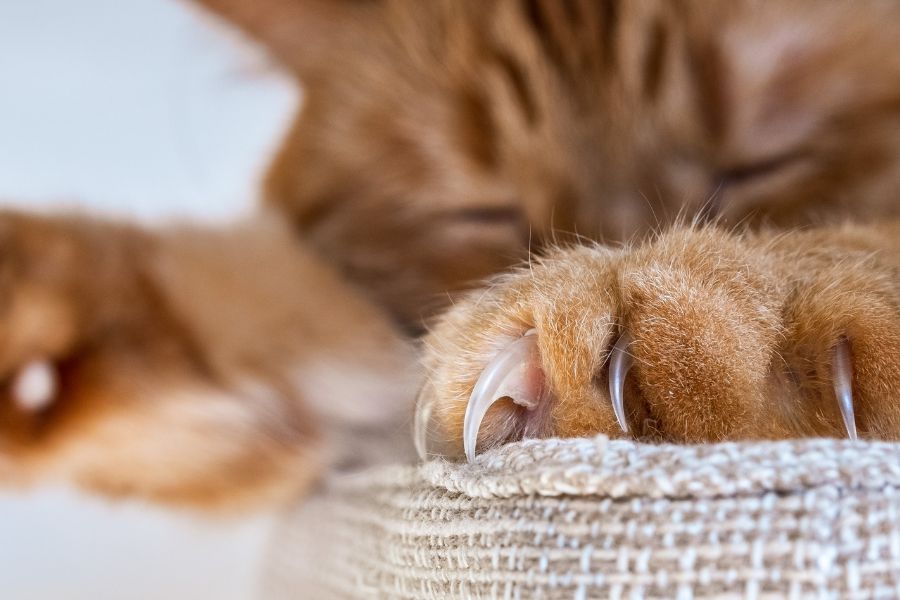
Cats rely on their claws every day. Claws help with balance, stretching, climbing, defense, and play. Many cat owners assume all cats need the same nail care routine. The truth is that indoor and outdoor cats use their claws differently, which affects how often their nails need attention.
Indoor cats often require more regular nail trimming because their claws experience less natural wear. Outdoor cats naturally file their nails through climbing and exploring, yet they still need routine checks for injuries and overgrowth. Understanding these differences can help prevent discomfort, broken nails, infections, and mobility issues.
This guide explains how indoor and outdoor cat claws differ, signs of nail problems, trimming recommendations, scratching habits, and when professional care may be needed. With proper nail care, your cat can stay comfortable, active, and healthy throughout every stage of life.
Why Cat Nail Care Matters
A cat’s claws are an important part of its anatomy. Healthy claws support movement, grooming, hunting instincts, and normal behavior.
Neglected nails can become overgrown, split, or curl into the paw pads. These issues may cause pain, limping, and infection. Regular nail care also protects furniture, flooring, and family members from accidental scratches.
Many claw-related problems can be prevented with routine observation and maintenance.
Understanding How Cat Claws Grow
Cat claws continuously grow throughout life. The outer layer naturally sheds as new claw material develops underneath.
Cats remove old claw sheaths by scratching surfaces. This behavior keeps claws sharp and healthy while stretching muscles and marking territory.
Growth rates vary based on age, activity level, environment, and overall health. Senior cats often experience faster nail overgrowth because they are less active.
Indoor Cat Claws: What Makes Them Different?
Indoor cats live in a controlled environment with fewer opportunities for natural nail wear.
1. Less Natural Wear
Indoor flooring, carpets, and furniture do not provide the same abrasive surfaces found outdoors. As a result, indoor cat claws often stay longer and sharper.
Without regular trimming, nails may become hooked or snag on fabrics.
2. Increased Need for Nail Trimming
Most indoor cats benefit from nail trimming every two to four weeks. The exact schedule depends on growth rate and activity level.
Checking your cat’s nails monthly helps identify overgrowth before it becomes a problem.
3. Scratching Posts Are Essential
Scratching posts help indoor cats maintain healthy claws and satisfy instincts.
Provide multiple scratching surfaces made from sisal, cardboard, or wood. Vertical and horizontal options encourage consistent use.
Outdoor Cat Claws: Different Challenges
Outdoor cats use their claws in many ways that naturally influence nail health.
1. Natural Filing Through Activity
Climbing trees, digging, running, and navigating rough surfaces naturally wear down claw tips.
Many outdoor cats require less frequent nail trimming because their nails receive constant use.
2. Greater Risk of Injury
Outdoor environments expose cats to more hazards. Nails may become cracked, torn, broken, or infected after encounters with rough terrain or other animals.
Regular inspections remain important even if trimming is rarely needed.
3. Claws Support Survival
Outdoor cats depend on their claws for climbing, defense, and escape. Excessive trimming may reduce their ability to navigate outdoor environments safely.
Owners should trim only when necessary and avoid removing too much nail length.
How Often Should You Trim Your Cat’s Nails?
There is no universal schedule that works for every cat.
Indoor cats generally need trimming every two to four weeks. Outdoor cats may need trimming every four to eight weeks or less frequently.
Watch for these signs that indicate nail trimming may be needed:
- Nails catching on carpets or blankets
- Visible nail overgrowth
- Clicking sounds on hard floors
- Curved nails approaching the paw pads
- Reduced comfort while walking
Regular inspections are more important than following a strict calendar.
Signs of Unhealthy Cat Claws
Early detection can prevent more serious problems.
Common Warning Signs
- Cracked or split nails
- Swelling around the nail bed
- Bleeding near the claws
- Limping or reluctance to walk
- Excessive licking of the paws
- Nails growing into the paw pads
Any of these symptoms should be evaluated promptly to prevent complications.
Best Practices for Safe Cat Nail Care
Successful nail care starts with patience and consistency.
1. Use Proper Nail Trimmers
Choose nail trimmers designed specifically for cats. Sharp tools create cleaner cuts and reduce stress.
2. Trim Small Amounts
Only remove the curved tip of the nail. Avoid cutting into the pink area, known as the quick, which contains blood vessels and nerves.
3. Create Positive Experiences
Offer treats and praise during nail care sessions. Short, calm sessions help cats develop positive associations with handling.
4. Seek Professional Help When Needed
Some cats resist nail trimming despite gradual training. Professional assistance can help ensure safe and comfortable care.
Many owners choose to schedule routine cat wellness exams to monitor overall paw and claw health.
Indoor vs. Outdoor Cat Claws: Key Differences at a Glance
Indoor cats usually experience less natural nail wear, require more frequent trimming, and depend heavily on scratching posts for claw maintenance.
Outdoor cats naturally wear down their nails through daily activity, but face increased risks of injuries, tears, and infections.
Both lifestyles require regular claw inspections and proactive care.
Helping Your Cat Maintain Healthy Claws
Healthy claws contribute to a healthy cat. Indoor cats need routine trimming and appropriate scratching surfaces. Outdoor cats benefit from regular claw inspections and monitoring for injuries.
Every cat has unique needs based on age, lifestyle, and activity level. A personalized approach helps prevent discomfort and supports long-term well-being.
If you live in Tranquility and have questions about your cat’s nail health, our team is happy to help. Book an appointment today for a professional evaluation and personalized care recommendations designed to keep your feline companion comfortable and thriving.
Frequently Asked Questions(FAQs):
1. Do indoor cats need their nails trimmed more often?
A: Yes. Indoor cats experience less natural wear on their claws. Most indoor cats benefit from nail trimming every two to four weeks to prevent overgrowth, snagging, and discomfort.
2. Can outdoor cats go without nail trimming?
A: Some outdoor cats naturally wear down their nails through climbing and exploring. Regular inspections are still important because injuries, splits, and abnormal growth can occur.
3. How do I know if my cat’s nails are too long?
A: Long nails may catch on fabric, click on hard floors, curve noticeably, or approach the paw pads. These signs indicate that trimming may be needed.
4. Are scratching posts enough for indoor cats?
A: Scratching posts help maintain claw health and support natural behavior. Most indoor cats still require occasional nail trimming despite regular scratching activity.
5. What happens if a cat’s nails become overgrown?
A: Overgrown nails can curl into the paw pads, cause pain, affect walking, and increase the risk of infection. Early intervention helps prevent these complications.
6. Should senior cats receive more frequent nail checks?
A: Yes. Older cats are often less active and may not wear down their nails naturally. Monthly inspections can help identify overgrowth and maintain comfort.