Prompt, Reliable Same-Day Visits Available!

A pet’s recovery after an urgent surgical procedure requires patience, careful observation, and consistent home care. Every stage of healing plays an important role in helping your companion regain comfort, strength, and normal daily activities. Understanding what to expect after surgery, how to manage medications, when to resume feeding, and which warning signs deserve prompt attention can reduce stress for both pets and owners.
This guide explains practical recovery steps, answers common questions, and highlights ways to support healing while reducing the risk of complications. Pet owners in Tranquility can also benefit from having a trusted medical team available whenever unexpected health concerns arise.
Understanding Recovery After an Urgent Surgical Procedure
An urgent surgical procedure is often performed when a pet develops a sudden illness or injury that cannot wait for a routine appointment. Recovery begins as soon as the procedure is complete and continues for several days or weeks, depending on the condition treated.
Many pets feel sleepy, confused, or less active during the first twenty-four hours because of anesthesia and pain medication. Mild appetite changes are also common. Rest, hydration, and a calm environment allow the body to begin repairing tissues.
Every recovery timeline is unique. Younger pets may heal faster than older companions. Existing medical conditions, nutrition, and the type of surgery also influence healing.
What to Expect During the First Few Days
The first few days after surgery are often the most important. Owners should monitor their pets closely without causing unnecessary stress.
Common observations include:
- Mild swelling around the incision
- Temporary tiredness
- Reduced appetite
- Sleeping more than usual
- Limited interest in play
These changes often improve gradually. Contact your care provider if symptoms become worse instead of better.
Caring for the Surgical Incision
The surgical site deserves careful attention throughout recovery.
1. Keep the Area Clean and Dry
Avoid bathing your pet unless your care team says it is safe. Moisture can slow healing and increase irritation around the incision.
2. Prevent Licking and Chewing
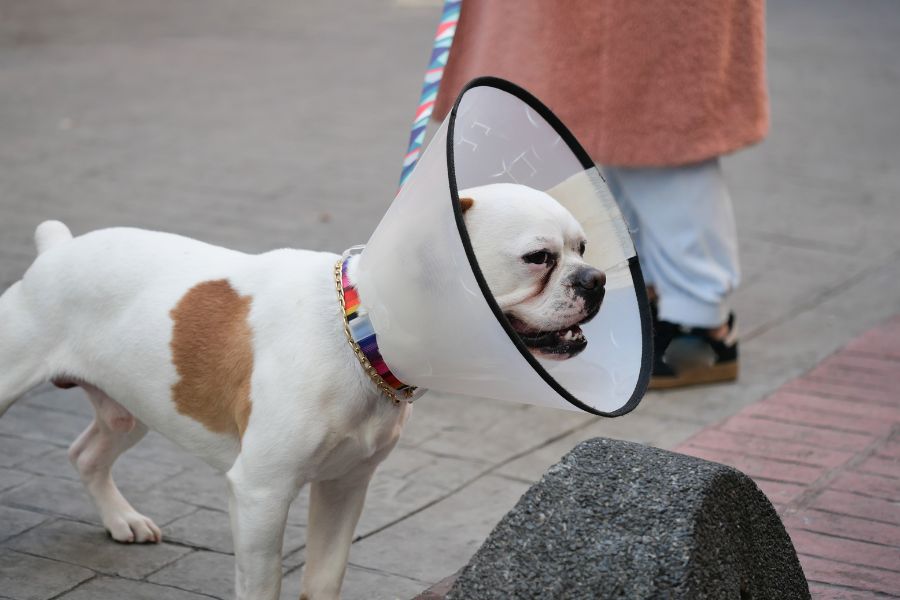
Many pets instinctively lick surgical wounds. An Elizabethan collar or recovery suit helps prevent damage to stitches and lowers the chance of infection.
3. Check the Incision Daily
Look for excessive redness, unusual swelling, unpleasant odor, thick discharge, or opening of the incision. These signs should be evaluated promptly.
Managing Pain and Medications
Pain control allows pets to rest comfortably and heal properly. Give every prescribed medication exactly as directed.
Never substitute human pain relievers unless specifically approved. Many common medications intended for people can be harmful to animals.
If your pet refuses medication, ask your clinic about alternative forms such as flavored liquids or chewable tablets.
Feeding and Hydration During Recovery
Some pets eat less after surgery. Begin with small portions of their regular food unless different feeding instructions were provided.
Fresh water should remain available at all times. Encourage drinking without forcing it.
If vomiting, diarrhea, or complete refusal to eat continues beyond the expected recovery period, contact your care provider for guidance.
Restricting Activity for Better Healing
Even energetic pets need limited activity after surgery.
Running, jumping, rough play, and climbing stairs may place unnecessary pressure on healing tissues. Follow all exercise restrictions recommended for your pet’s procedure.
Short leash walks may be appropriate for some pets. Others require crate rest until healing progresses.
Mental enrichment can reduce boredom while physical activity remains limited. Food puzzles, gentle interaction, and quiet companionship help keep pets comfortable.
Warning Signs That Need Prompt Medical Attention
Although many recoveries progress smoothly, owners should recognize signs that require immediate evaluation.
Watch for:
- Heavy bleeding
- Persistent vomiting
- Difficulty breathing
- Severe swelling
- Continuous crying from pain
- Pale gums
- High fever
- Incision opening
- Collapse or inability to stand
Seeking timely medical attention often prevents more serious complications.
When unexpected concerns arise, urgent care for pets provides timely evaluation and treatment that supports your pet’s recovery without unnecessary delays.
Follow-Up Visits Matter
Recovery does not end when your pet returns home.
Scheduled recheck appointments allow your care provider to assess healing, remove stitches when necessary, adjust medications, and answer questions about activity or nutrition.
Even if your pet appears fully recovered, these visits remain an important part of successful healing.
Helping Your Pet Feel Comfortable at Home
Create a quiet recovery area away from household activity and other pets.
Provide clean bedding that supports comfortable rest. Keep food, water, and medications within easy reach.
Maintain a consistent routine. Calm interactions and gentle reassurance help reduce anxiety during healing.
Observe your pet several times each day. Small changes noticed early often make a meaningful difference in recovery.
Conclusion
Successful healing after an urgent surgical procedure depends on attentive home care, proper medication, restricted activity, balanced nutrition, and regular monitoring of the surgical site. Every pet heals at a different pace, making close communication with your care provider an essential part of recovery. Addressing concerns early helps reduce complications and supports a smoother return to everyday life.
If your pet requires prompt medical attention or post-surgical guidance, call us at 908-852-7800 to discuss the next steps with our team.
If you’re in the Tranquility area, consider reaching out to Tranquility Veterinary Clinic, where compassionate care and a strong commitment to the local community help support your pet’s health and recovery every step of the way.
Frequently Asked Questions (FAQs):
1. How long does recovery take after an urgent surgical procedure?
A: Recovery time depends on the procedure, your pet’s age, overall health, and healing response. Minor procedures may require only a few days, while more complex surgeries can take several weeks with careful monitoring and follow-up visits.
2. Is it normal for my pet to sleep more after surgery?
A: Yes. Increased sleepiness is common during the first day or two because of anesthesia and prescribed pain medication. Your pet should gradually become more alert. Contact your care provider if extreme weakness or unusual behavior continues.
3. What should I do if my pet licks the incision?
A: Prevent licking immediately by using an Elizabethan collar or another recommended protective device. Repeated licking may damage stitches, delay healing, and increase the chance of infection around the surgical site.
4. When can my pet return to normal exercise?
A: Normal activity should only resume after your care provider confirms adequate healing. Returning to running, jumping, or vigorous play too early may delay recovery and place unnecessary strain on healing tissues.
5. What foods should I offer after surgery?
A: Offer small portions of your pet’s regular food unless different dietary instructions were provided. Fresh water should always be available. Contact your care provider if your pet refuses food or develops ongoing digestive problems.
6. Which symptoms require immediate medical evaluation after surgery?
A: Persistent vomiting, heavy bleeding, difficulty breathing, severe swelling, incision opening, pale gums, collapse, uncontrolled pain, or unusual discharge should be assessed promptly to reduce the risk of serious complications and support proper healing.