Prompt, Reliable Same-Day Visits Available!

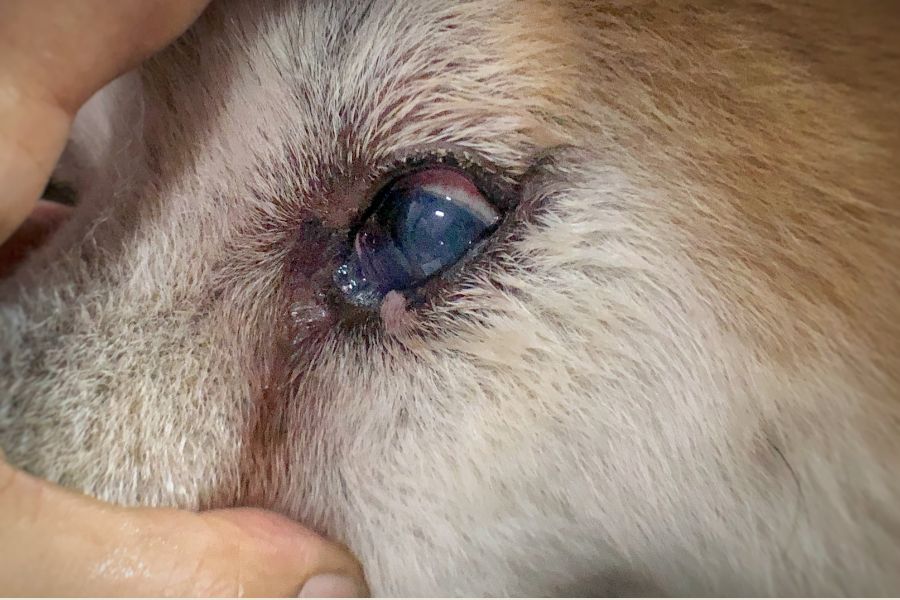
A pet’s eye can be injured during play, a fight, a walk through shrubs, or contact with a household chemical. Redness, squinting, tearing, swelling, cloudiness, bleeding, or a sudden vision change may signal damage that threatens comfort and sight. This guide covers common causes, urgent warning signs, safe first aid, examination, and treatment.
If your pet has eye pain or a visible injury, seek urgent pet care promptly. A small-looking wound can be deeper than it appears, and delaying care may worsen the outcome.
Which Eye Problems Need Urgent Care?
Contact a clinic if your pet cannot open an eye, holds it shut, paws at the face, or seems distressed. A scratch on the cornea—the clear front surface—can be very painful and may become infected. A puncture, embedded object, or deep wound is an emergency.
Warning signs you should not ignore
- Squinting or frequent blinking: Often signals pain, irritation, or a surface injury.
- Redness: May accompany trauma, inflammation, or increased pressure inside the eye.
- Excessive tears or discharge: Clear tears, mucus, or pus can indicate irritation or infection.
- Cloudiness or a blue-white haze: May reflect corneal damage or another serious problem.
- Swelling, bleeding, or a visible cut: Needs prompt assessment.
- Unequal pupils or vision changes: Bumping into objects or sudden disorientation needs immediate attention.
- A bulging or displaced eye: This is an emergency. Never try to push it back.
Common Causes of Eye Injuries in Dogs and Cats
Rough play, fights, shrubs, dust, sand, plant material, shampoo, and household cleaners can injure the eye. Branches and sharp objects may scrape the cornea; falls and collisions can damage structures inside it. Prominent eyes and existing eye conditions may increase vulnerability.
What to Do If Your Pet Injures an Eye
Keep your pet calm and prevent rubbing. Use a properly fitted cone if available, without pressure on the eye. Keep your pet indoors during transport.
For loose dust or mild irritation without a wound or embedded object, gently rinse with sterile saline eye wash. Do not use contact lens disinfecting solution, remove stuck objects, or apply pressure.
For a chemical splash, flush immediately with plenty of clean, lukewarm water or sterile saline for 15–20 minutes while arranging urgent veterinary advice. Bring the product container or its name. Do not delay professional care.
Never use human eye drops, redness relievers, leftover medication, ointments, or painkillers without veterinary direction. Products can worsen injuries or hide important signs. Do not force eyelids open.
How Quickly Should a Pet See a Veterinarian?
A suspected puncture, chemical exposure, displaced eye, bleeding, sudden vision loss, severe swelling, or intense pain requires emergency assessment now. Call the clinic while travelling so the team can prepare.
Squinting, tearing, redness, discharge, or cloudiness needs same-day assessment, even if your pet seems normal. Mild irritation can resemble an ulcer or foreign body.
If your regular clinic is closed, contact an emergency animal hospital. Do not wait overnight for a painful or cloudy eye to settle.
What Happens During an Eye Injury Examination?
The care team may check vision, pupils, eyelids, and surrounding structures. A fluorescein stain can reveal corneal scratches or ulcers. Pressure testing may be recommended.
Treatment depends on the cause and severity. It may involve prescribed eye medication, pain relief, removal of an accessible foreign object, or referral to an eye specialist. Deep wounds, severe ulcers, or internal damage may need surgery. Follow instructions and attend rechecks; eye conditions can change quickly.
Can Eye Injuries Be Prevented?
Keep pets away from sharp plants, chemicals, and dusty areas. Store cleaners securely, rinse shampoo carefully, supervise rough play, and separate fighting animals. Use a harness or carrier during travel. Arrange checks for recurring discharge or squinting.
Protect Your Pet’s Vision: Contact Us
Eye injuries are not problems to monitor for days at home. Pain, squinting, redness, cloudiness, bleeding, or sudden vision changes call for prompt attention. Contact our team in Tranquility immediately at 908-852-7800 and explain what happened. For a severe injury, call while travelling to urgent care. Do not delay treatment while trying home remedies.
Tranquility Veterinary Clinic is committed to helping pets receive timely, compassionate attention when eye injuries threaten their comfort or sight. For urgent guidance and an appointment, contact us now.
Frequently Asked Questions(FAQs):
1. Can a scratch in a pet’s eye heal on its own?
A: Some minor surface injuries may heal, but scratches can deepen or become infected. A veterinarian should assess squinting, tearing, or redness promptly. Do not wait for symptoms to disappear without professional advice.
2. How can I tell if my dog has an eye injury?
A: Common clues include squinting, pawing at the face, redness, watery discharge, swelling, cloudiness, or keeping one eye closed. Sudden vision changes, bleeding, or severe pain require emergency attention.
3. Is a cloudy eye in cats an emergency?
A: A newly cloudy or blue-looking eye can signal corneal damage or another serious condition. Arrange a same-day assessment, and seek emergency help if your cat is painful, cannot see, or has suffered trauma.
4. Can I use human eye drops on my pet?
A: Do not use human eye drops unless a veterinarian specifically recommends them. Some ingredients can irritate the eye or complicate treatment. Avoid leftover prescriptions and home remedies; seek advice before applying anything.
5. What should I do if shampoo or cleaner gets in my pet’s eye?
A: Flush the eye immediately with clean lukewarm water or sterile saline for 15–20 minutes. Contact a veterinarian urgently and provide the product name. Chemical exposure can cause damage even after initial irritation settles.
6. Does Tranquility Veterinary Clinic treat urgent eye injuries?
A: Tranquility Veterinary Clinic can advise you on the next step for a pet with a suspected eye injury. Call promptly, describe the symptoms and injury, and ask whether immediate examination or emergency referral is needed.