Prompt, Reliable Same-Day Visits Available!

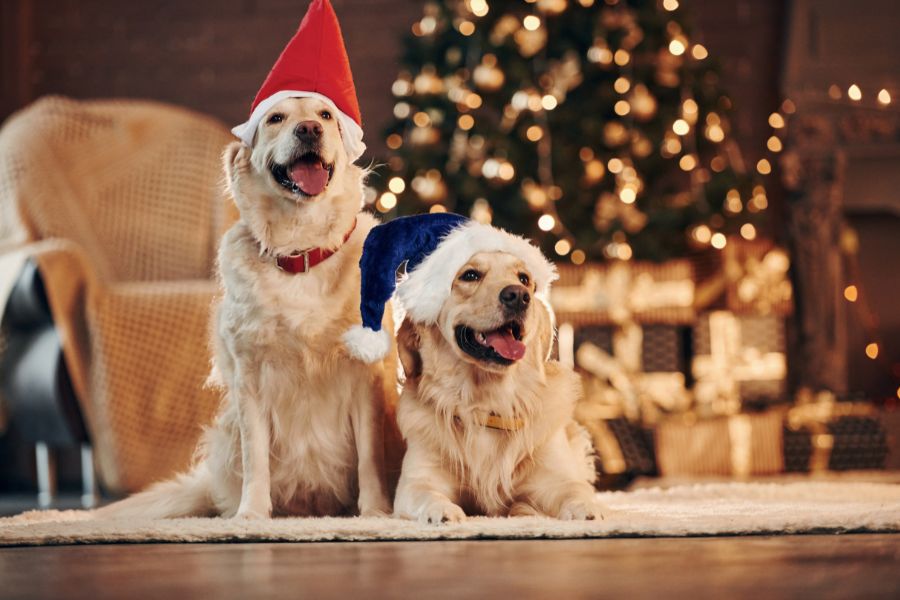
When Christmas guests are welcomed into the home, excitement is often felt by people—and by pets as well. However, routines are disrupted, unfamiliar faces appear, and noise levels increase. As a result, stress can easily be experienced by pets if preparation is not handled in advance. Therefore, thoughtful planning is essential so that the holidays can be enjoyed while pet safety is consistently maintained.
Below, practical steps are outlined to help pets feel secure, relaxed, and protected when holiday visitors arrive.
Understand How Holiday Guests Affect Pets
First, it should be recognized that pets rely heavily on routine and familiarity. When guests enter the home, changes in smells, sounds, and schedules are introduced. Consequently, anxiety or overstimulation may be triggered.
Dogs may become overly excited or defensive, while cats are often tempted to hide or refuse food. Because of this, early preparation is strongly recommended so that pet safety is not compromised during festive gatherings.
Prepare a Quiet Retreat Space
Before guests arrive, a calm retreat should be set up for pets. This space can be a bedroom, crate, or quiet corner where disturbances are minimized. Soft bedding, familiar toys, and water should be placed there in advance.
Moreover, access to this space should be maintained throughout the gathering. Guests should be informed that this area is off-limits. In this way, pet safety is supported by allowing animals to retreat when they feel overwhelmed.
Maintain Familiar Routines
Although holiday schedules can become hectic, pets should be fed, walked, and exercised at their usual times whenever possible. Consistency provides reassurance and helps reduce stress-related behaviors.
Additionally, regular exercise before guests arrive is advised. Excess energy can be released through walks or playtime, and calmer behavior is often observed afterward. As a result, interactions with visitors are more likely to be positive and safe.
Introduce Guests to Pets Gradually
Rather than allowing guests to rush toward pets, introductions should be controlled and calm. Pets should be allowed to approach on their own terms. Loud greetings and sudden movements are best avoided.
Children, in particular, should be guided on how to behave around animals. Gentle voices and slow movements should be encouraged. By doing so, pet safety is reinforced, and the risk of fear-based reactions is reduced.
Secure Holiday Decorations and Food
Christmas decorations can be fascinating—but dangerous—for pets. Ornaments, tinsel, ribbons, and electrical cords should be secured or placed out of reach. Ingestion or entanglement risks are commonly associated with festive décor.
Similarly, holiday foods should be carefully managed. Chocolate, grapes, alcohol, cooked bones, and rich foods should never be accessible to pets. Guests should be politely reminded not to share table scraps. Through these precautions, pet safety can be consistently upheld throughout the celebration.
Use Identification and Safety Tools
Because doors are opened frequently during gatherings, the risk of pets escaping is increased. Therefore, collars with up-to-date ID tags should be worn at all times. Microchip information should also be verified.
Baby gates or closed doors can be used to control movement within the home. Additionally, leashes may be helpful for dogs that become overly excited. These tools are simple yet effective in supporting pet safety during busy holiday moments.
Manage Stress and Anxiety Proactively
For pets known to struggle with anxiety, calming aids may be considered. Pheromone diffusers, calming treats, or soothing music can be used to create a relaxed atmosphere. However, any supplements should be discussed with a veterinarian in advance.
Set Clear Boundaries With Guests
Guests should be informed about household rules regarding pets. For example, pets should not be fed without permission, doors should be closed promptly, and retreat spaces should be respected.
Clear communication helps guests participate in maintaining pet safety without discomfort. As a result, misunderstandings are avoided, and pets remain protected throughout the event.
Observe Behavior and Respond Early
Throughout the gathering, pets should be observed closely. Signs of stress—such as pacing, hiding, excessive barking, or growling—should be addressed promptly. When needed, pets should be guided back to their quiet space.
By responding early, escalation can often be prevented. Consequently, both pets and guests are kept comfortable and safe.
Plan for Overnight Guests
If guests are staying overnight, additional planning is required. Extra food, litter, medications, and routine supplies should be stocked. Pets should continue to receive individual attention despite the busy environment.
Furthermore, sleeping arrangements should be considered so that pets are not displaced suddenly. Maintaining predictability is key to long-term pet safety during extended holiday visits.
Christmas gatherings can remain joyful and calm for pets with the right preparation and safety measures in place. If guidance is needed to support your pet’s comfort and well-being this holiday season, book an appointment to discuss personalized care recommendations.
Frequently Asked Questions(FAQs):
1. How can pet safety be maintained when many guests are visiting?
A: Pet safety can be maintained by creating quiet spaces, securing doors, managing food access, and supervising interactions with guests.
2. Should pets be kept away from guests entirely?
A: Not necessarily. Controlled introductions are recommended, but pets should always have the option to retreat when overwhelmed.
3. Are holiday decorations dangerous for pets?
A: Yes, certain decorations can pose choking or ingestion risks. Decorations should be secured or kept out of reach to support pet safety.
4. How can anxious pets be helped during Christmas gatherings?
A: Anxiety can be reduced through routine, calming aids, exercise, and access to a quiet retreat area.
5. Is it safe for guests to feed pets during the holidays?
A: Only approved treats should be given. Guests should be advised not to share holiday foods, as many are unsafe for pets.
6. What should be done if a pet shows signs of stress?
A: Pets should be calmly guided to their safe space, and stimulation should be reduced to restore comfort and pet safety.