Prompt, Reliable Same-Day Visits Available!

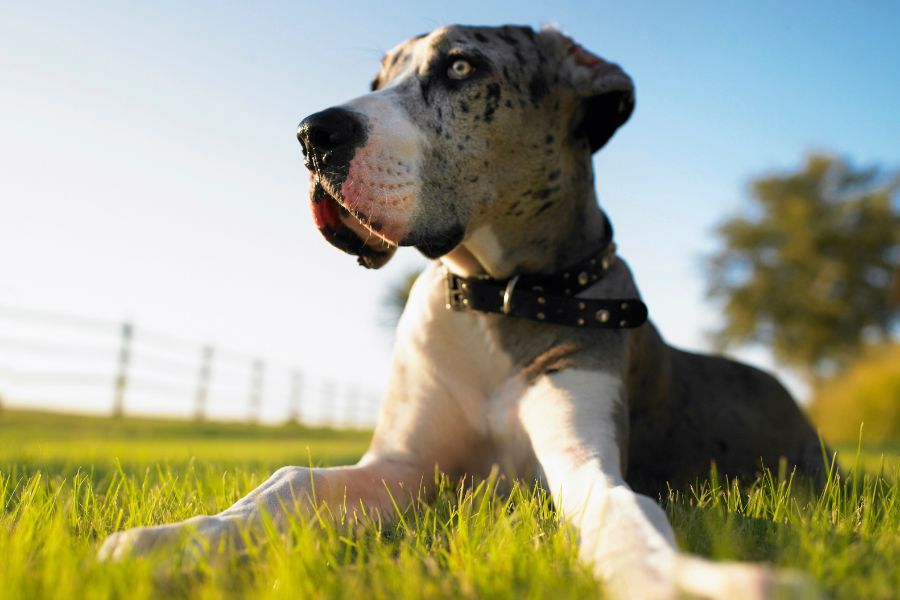
Great Danes are known for their towering height, gentle nature, and deep loyalty. Living with one means sharing your life with a dog that grows fast, loves hard, and ages more quickly than many other breeds. Understanding each life stage helps you provide the right care at the right time—and makes every year count.
This guide walks you through each phase of your dog’s life, from a wobbly puppy to a wise senior, while also explaining the life expectancy of Great Dane dogs and how to support their health along the way.
The Life Expectancy of Great Dane Dogs: What to Expect
The life expectancy of Great Dane dogs typically ranges between 7 and 10 years. While this may feel short compared to smaller breeds, it reflects the rapid growth and size of these giant dogs.
Several factors influence lifespan:
- Genetics and breeding quality
- Nutrition and weight management
- Exercise habits
- Preventive veterinary care
- Early detection of health issues
Understanding these factors early can help you improve both the quality and length of your dog’s life.
Great Dane Puppy Stage (0–12 Months)
Rapid Growth and Development
The puppy stage in Great Danes is intense and fast-paced. In just a few months, your small pup becomes a large, energetic dog. This rapid growth requires careful attention to diet and activity.
What to Focus On
Nutrition Matters Most
Puppies need a large-breed specific diet to support controlled growth. Too much calcium or excessive calories can lead to bone and joint problems.
Training and Socialization
Start early. Great Danes grow into powerful dogs, so teaching basic commands and social behavior is essential.
Veterinary Care
Regular checkups, vaccinations, and parasite prevention set the foundation for long-term health. If your puppy shows signs of limping or uneven growth, consult your vet right away.
???? If you’re unsure about your puppy’s growth or feeding plan, visit our website to learn when professional veterinary care may be needed.
Adolescent Stage (1–2 Years)
The “Teenage” Phase
Your Great Dane may look like an adult, but mentally and physically, they are still developing. This stage can bring bursts of energy, stubborn behavior, and curiosity.
Key Considerations
Exercise Balance
Daily exercise is important, but avoid high-impact activities. Their joints are still forming, and overexertion can lead to long-term damage.
Continued Training
Reinforce commands and good behavior. Consistency matters more than intensity.
Monitor Growth
Even at this stage, some Danes continue to fill out and develop muscle mass. Keep an eye on weight and posture.
Adult Stage (2–5 Years)
Peak Strength and Stability
This is the most stable and active period in your dog’s life. Your Great Dane is now fully grown, both physically and mentally.
Maintaining Health
Diet and Weight Control
Adult Great Danes need a balanced diet that supports muscle maintenance without adding unnecessary weight.
Routine Veterinary Visits
Annual exams help catch early signs of common conditions such as heart disease or joint issues.
Preventive Care
- Heartworm prevention
- Dental care
- Joint supplements (if recommended)
This stage plays a major role in influencing the life expectancy of Great Dane dogs, as consistent care can delay the onset of age-related problems.
Mature Stage (5–7 Years)
Subtle Changes Begin
As your dog approaches the later part of adulthood, you may notice slight changes in energy levels and behavior.
What to Watch For
Reduced Activity
Your dog may prefer shorter walks and more rest.
Joint Stiffness
Early signs of arthritis can appear. Look for hesitation when standing or climbing stairs.
Health Screenings
More frequent vet visits may be recommended to monitor heart health and organ function.
Taking action during this stage can significantly impact the life expectancy of Great Dane dogs by addressing issues early.
Senior Stage (7+ Years)
Aging with Care and Comfort
At this stage, your Great Dane is considered a senior. While aging is natural, it requires a shift in care and attention.
Supporting Your Senior Dog
Adjusted Diet
Senior dogs benefit from diets lower in calories but rich in nutrients that support joint and organ health.
Gentle Exercise
Short, regular walks help maintain mobility without causing strain.
Increased Veterinary Care
Biannual checkups are often recommended. Early diagnosis of conditions like arthritis, heart disease, or cancer can improve outcomes.
Comfort at Home
- Soft bedding for joint support
- Easy access to food and water
- Non-slip flooring
These changes help your dog stay comfortable and maintain a good quality of life.
Common Health Concerns Across Life Stages
Great Danes are prone to certain conditions that can affect their lifespan:
Bloat (Gastric Dilatation-Volvulus)
A life-threatening condition where the stomach twists. Immediate veterinary care is required.
Hip Dysplasia
A genetic condition affecting joint stability.
Heart Disease
Dilated cardiomyopathy is common in large breeds.
Arthritis
More common in later years, affecting mobility and comfort.
Recognizing symptoms early and seeking care promptly can improve the life expectancy of Great Dane dogs.
How to Extend the Life of Your Great Dane
While genetics play a role, daily care has a strong impact on lifespan.
Practical Tips
- Feed a high-quality, breed-appropriate diet
- Avoid overfeeding and maintain a healthy weight
- Provide regular, moderate exercise
- Schedule routine veterinary visits
- Watch for changes in behavior or appetite
- Keep vaccinations and preventive treatments up to date
Small, consistent actions add up over time.
Signs Your Great Dane Needs Veterinary Attention
Clear signs that should not be ignored:
- Sudden bloating or restlessness
- Difficulty standing or walking
- Loss of appetite
- Unusual fatigue
- Coughing or breathing issues
When in doubt, it’s better to act early. Timely care can make a significant difference.
Conclusion: Making Every Stage Count
Understanding each life stage helps you care for your Great Dane with confidence and clarity. From the energetic puppy years to the slower senior stage, every phase brings its own needs and rewards.
The life expectancy of Great Dane dogs may be shorter than that of some breeds, but with proper care, those years can be full, active, and meaningful. Paying attention to nutrition, exercise, and regular veterinary care makes a real difference.
If you notice changes in your dog’s health or behavior, don’t wait. Early care supports better outcomes and a higher quality of life.
When you’re ready to take the next step in your dog’s care, book an appointment with a trusted veterinary provider to ensure your Great Dane receives the attention they need at every stage of life.
Frequently Asked Questions (FAQs)
1. What is the average life expectancy of Great Dane dogs?
A: The average lifespan is 7 to 10 years, though proper care can help some dogs live longer.
2. Why do Great Danes have shorter lifespans?
A: Their large size leads to faster growth and increased strain on the body, which can shorten lifespan.
3. How can I improve my Great Dane’s lifespan?
A: Focus on balanced nutrition, regular vet visits, controlled exercise, and early detection of health issues.
4. At what age is a Great Dane considered a senior?
A: Most Great Danes are considered seniors around 7 years of age.
5. What is the most common health issue in Great Danes?
A: Bloat is one of the most serious and urgent conditions. Heart disease and joint problems are also common.
6. How often should I take my Great Dane to the vet?
A: At least once a year for adults, and twice a year for senior dogs or those with health concerns.