Prompt, Reliable Same-Day Visits Available!

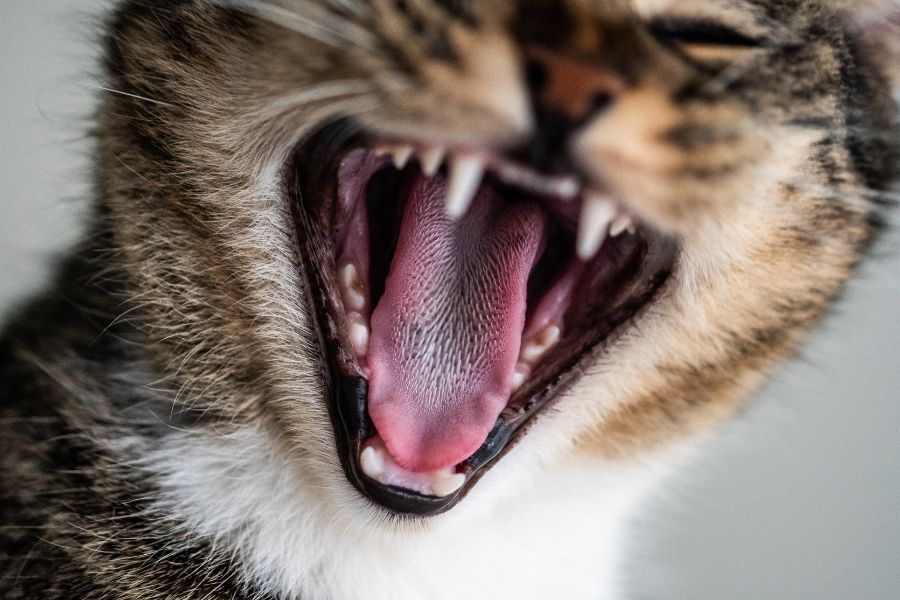
A sudden change in your pet’s breath, drooling, chewing habits, or mouth appearance can signal a painful dental problem that needs prompt attention. Broken teeth, infected gums, objects stuck in the mouth, oral wounds, and advanced dental disease can cause discomfort and make eating difficult.
This guide explains warning signs, safe first steps, when professional care is needed, what a dental visit may involve, and ways to reduce future risks. Pet owners in Tranquility can use this guide to understand when dental concerns deserve prompt care.
Why Sudden Dental Changes Matter
Pets often hide pain. A noticeable mouth change can be one of the first clues.
Common warning signs include:
- Strong bad breath
- Excessive drooling
- Blood around the mouth
- Pawing at the face
- Dropping food while eating
- Chewing on one side
- Refusing food or treats
- Facial swelling
- Crying or resisting mouth handling
- Loose, cracked, or missing teeth
A single symptom does not identify the cause. Symptoms, especially pain, bleeding, swelling, or difficulty eating, deserve prompt assessment.
Common Causes of Pet Dental Problems
Broken or Damaged Teeth
Pets can fracture teeth while chewing hard objects, playing, or experiencing an accident. A damaged tooth can expose sensitive tissue and allow infection. Pets may drool, avoid food, or react when the face is touched.
Gum Disease
Plaque can build up along the gumline and contribute to inflammation. Untreated gum disease can lead to bleeding, loose teeth, mouth pain, and difficulty eating. Persistent bad breath should not be dismissed as normal.
Objects Stuck in the Mouth
Bones, sticks, plant material, strings, and toy pieces can become trapped between teeth or under the tongue. A pet may drool, paw at the mouth, gag, or struggle to close the jaw.
Oral Injuries or Growths
Cuts, punctures, burns, and unusual tissue changes can produce bleeding or swelling. Some growths are harmless, while others require testing. An examination can identify what needs attention.
What Should You Do First?
Keep your pet calm and prevent chewing on hard objects. Offer water if comfortable. Do not force the mouth open, pull out a deeply lodged object, scrape teeth, or give human pain medication.
If bleeding is minor and your pet allows handling, look for an obvious surface injury without probing. Take a photo. Note when symptoms began and whether appetite or behavior changed.
If you need urgent care for pets, contact a pet care team and describe the symptoms clearly. Mention heavy bleeding, facial swelling, severe pain, trouble swallowing, breathing changes, or inability to eat.
When Prompt Care Is Needed
Dental problems can worsen quickly. Seek prompt professional attention when bleeding continues, swelling increases, a tooth is visibly broken, your pet cannot eat or drink, or pain appears severe.
Breathing difficulty, choking, collapse, major trauma, or uncontrolled bleeding requires immediate attention. Do not wait for routine scheduling when your pet’s comfort or safety is affected.
What Happens During a Dental Visit?
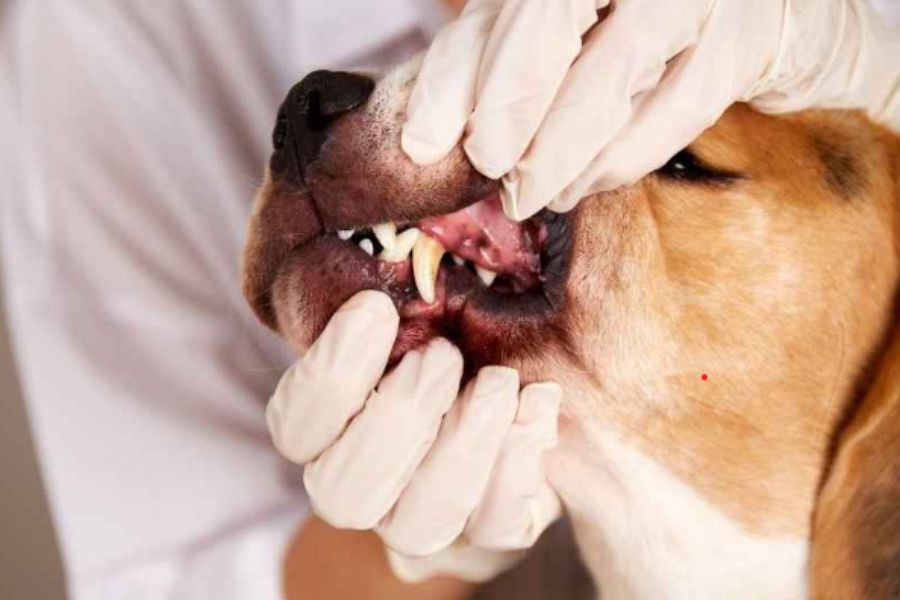
A dental visit begins with questions about symptoms and a mouth examination. The team may check the gums, teeth, tongue, jaw, and surrounding tissues.
Your pet may need dental imaging to find problems below the gumline. Options can include cleaning, medication, removing an object, treating an injured tooth, or extracting a tooth that cannot be saved. The care team should explain findings, treatment, recovery, and estimated costs before proceeding when possible.
How Can You Prevent Dental Trouble?
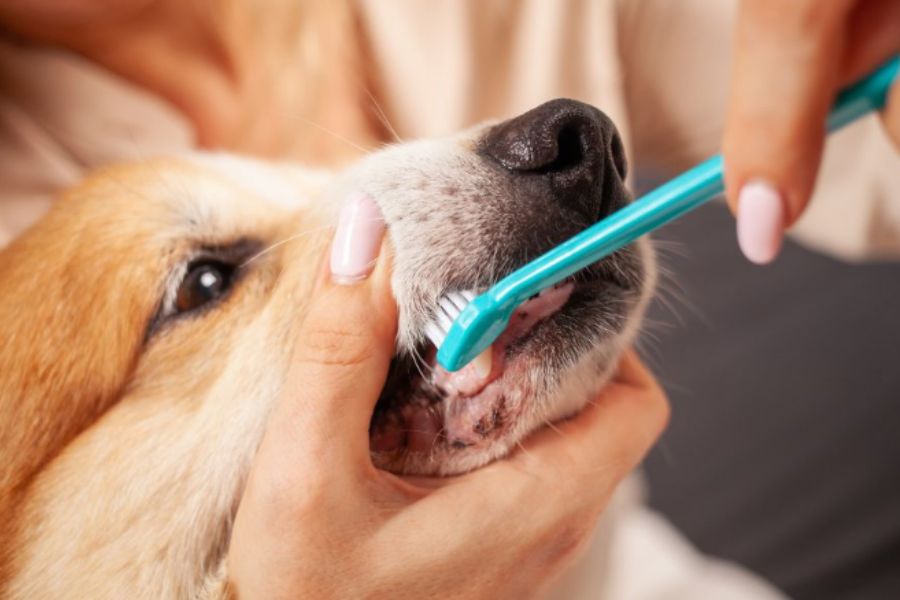
Daily dental care can reduce plaque and support healthy gums. Use pet-safe toothpaste and an animal toothbrush. Introduce brushing slowly.
Regular mouth checks can reveal changes before they become painful. Ask about cleanings during routine visits if your pet has bad breath, tartar, or dental problems.
Avoid extremely hard items that can fracture teeth. Choose chew products appropriate for your pet’s size and chewing habits. Do not assume a favorite chew is safe because your pet has used it before.
Conclusion
Mouth problems can become painful before a pet owner notices a serious change. Bad breath, drooling, bleeding, broken teeth, swelling, and eating difficulties deserve attention when symptoms appear suddenly. Knowing warning signs helps you respond calmly and seek appropriate care without delay.
Call us at 908-852-7800 for sudden dental concerns.
If you’re located there, reach out to Tranquility Veterinary Clinic, where compassionate care and community come together for your pet’s health and comfort.
6 Frequently Asked Questions
1. Is bad breath in pets always a sign of dental disease?
A: Persistent or suddenly foul breath can indicate gum disease, an infected tooth, trapped material, or another mouth problem. An examination can determine the cause and whether treatment is needed.
2. Why is my dog or cat suddenly drooling?
A: Sudden drooling can occur with mouth pain, a broken tooth, an object stuck in the mouth, nausea, or irritation. Heavy drooling with bleeding, swelling, or trouble swallowing needs prompt professional attention.
3. Should I pull something stuck between my pet’s teeth?
A: Do not pull deeply lodged material. You could cause bleeding, damage tissue, or push the object farther inside. Contact a professional for guidance, especially if your pet is painful, distressed, or unable to eat.
4. Can a broken pet tooth heal on its own?
A: A broken tooth does not always heal without treatment. Damage involving deeper tooth tissue can be painful and may allow infection. An examination can determine whether monitoring, treatment, or removal is appropriate.
5. How can I tell if my pet has dental pain?
A: Watch for dropping food, chewing differently, refusing treats, pawing at the mouth, drooling, bad breath, facial sensitivity, or behavior changes. Pets can hide discomfort, so subtle changes deserve attention.
6. How often should pets receive dental care?
A: The schedule depends on age, diet, chewing habits, and dental health. Daily home care and routine mouth checks help. Ask your pet care professional how often examinations or cleanings are appropriate.