Prompt, Reliable Same-Day Visits Available!

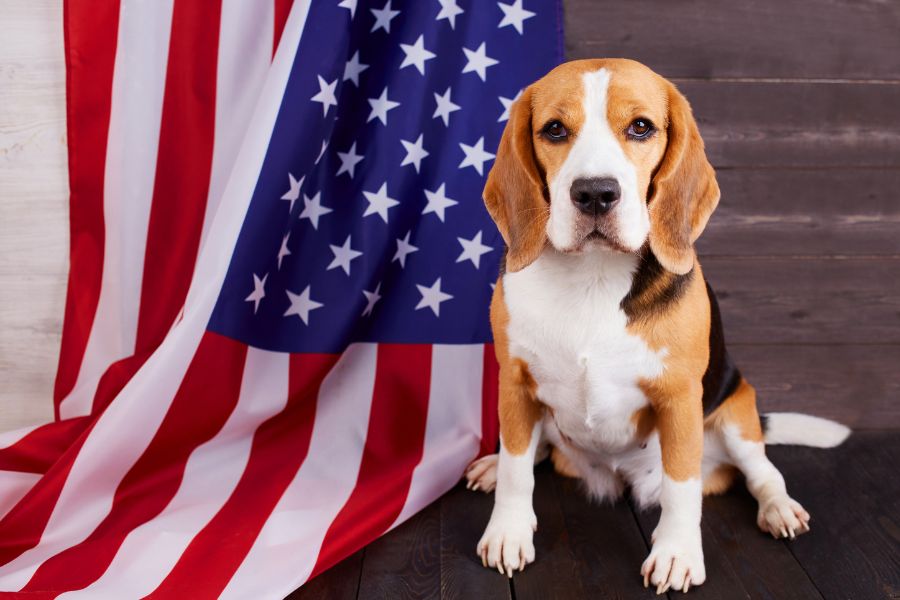
The Fourth of July brings excitement, family gatherings, and spectacular fireworks displays. For many pets, the celebration feels very different. Loud booms, bright flashes, and unfamiliar activity often create fear that can lead to shaking, hiding, barking, pacing, or escape attempts.
Understanding fireworks anxiety in pets allows owners to prepare before celebrations begin and choose safe ways to reduce stress. This guide explains natural calming methods, professional treatment options, preparation tips, warning signs that deserve medical attention, and ways to help pets recover after the festivities.
Every pet responds differently, making an individual approach the best choice for lasting comfort. Pet owners in Tranquility can benefit from planning early so their companions enjoy a safer, calmer Fourth of July experience.
Why Fireworks Cause Anxiety in Pets
Dogs and cats experience the world through highly sensitive hearing. Fireworks create sudden, unpredictable sounds that seem threatening because pets cannot identify the source. Flashing lights, unusual smells, and neighborhood activity may add to their stress.
Common signs of fireworks anxiety in pets include:
- Trembling or shaking
- Hiding under furniture
- Excessive barking or meowing
- Panting and pacing
- Drooling
- Destructive behavior
- Trying to escape the house or yard
- Refusing food or water
Some pets experience only mild nervousness, while others develop severe panic that places them at risk of injury.
Natural Ways to Help Calm Your Pet
Many pets benefit from gentle, non-medicated approaches when owners begin preparations several days before Independence Day.
1. Create a Safe Retreat
Choose a quiet room away from windows where your pet already feels secure. Add familiar bedding, favorite toys, and fresh water. Closing curtains helps reduce flashing lights while soft background music or a television masks outdoor noise.
2. Keep Daily Routines Consistent
Pets feel more confident when feeding, walks, and bedtime stay predictable. Regular routines provide reassurance during stressful holidays.
3. Encourage Calm Behavior
Reward relaxed behavior with treats, gentle praise, or quiet playtime. Remaining calm yourself helps prevent pets from sensing additional tension.
4. Try Calming Products
Several natural products may help reduce fireworks anxiety in pets, including calming wraps, pheromone diffusers, herbal supplements, and specially formulated calming chews. Always discuss supplements with your veterinarian before introducing anything new.
5. Exercise Before Fireworks Begin
A longer walk or active play session earlier in the day helps many dogs release energy. Cats also benefit from interactive toys that encourage movement before evening celebrations.
Professional Treatment Options
Natural techniques may not provide enough relief for every pet. Some animals experience extreme fear that requires professional guidance.
1. Anti-Anxiety Medications
Prescription medications may help pets remain calmer during fireworks. These medications work best when selected specifically for your pet’s health, age, and anxiety level. Never give human medications because many are dangerous for animals.
2. Behavioral Support
Pets with recurring fireworks anxiety often benefit from behavior modification plans. Gradual sound desensitization throughout the year teaches many pets to respond more calmly to loud noises over time.
3. Health Evaluation
Sometimes pain, hearing problems, or other medical conditions increase anxiety. A complete examination helps identify underlying issues that may contribute to fearful behavior.
Preparing Before the Fourth of July
Preparation often determines how successfully pets handle fireworks.
1. Update Identification
Ensure collars fit properly and identification tags remain readable. Verify that microchip information stays current in case your frightened pet escapes.
2. Plan Indoor Time
Bring pets indoors before neighborhood fireworks begin. Keep doors, gates, and windows securely closed throughout the evening.
3. Stock Comfort Essentials
Prepare treats, favorite toys, blankets, medications, and calming products before celebrations start. Having everything nearby reduces last-minute stress.
4. Inform Guests
Ask visitors not to leave doors open. Explain that your pet may need a quiet space away from holiday activities.
When Professional Help Is Needed
Some signs indicate that fireworks anxiety in pets requires prompt medical attention.
Seek professional advice if your pet:
- Injures itself while attempting escape
- Stops eating for an extended period
- Shows panic despite calming strategies
- Experiences repeated severe anxiety every holiday
- Damages property because of fear
- Cannot settle for several hours after fireworks end
Early intervention often prevents anxiety from becoming more severe each year.
Helping Pets Recover After Fireworks
Many pets need time to relax once celebrations end. Offer fresh water, a light meal if they are interested, and quiet companionship. Resume normal routines the following day. Avoid punishment for accidents or fearful behavior because anxiety is an emotional response rather than disobedience.
Every positive experience builds confidence for future holidays. Keeping notes about successful calming techniques also helps create a better plan for next year’s celebrations.
If your pet struggles with fireworks anxiety in pets despite preparation, book an appointment with your veterinarian to discuss personalized solutions before the next holiday.
Conclusion
Fireworks do not have to turn the Fourth of July into a frightening experience for your pet. Careful preparation, natural calming methods, and professional treatment options can work together to reduce stress and improve your companion’s sense of security. Every pet deserves an approach that matches their individual needs and personality. If you’re located in Tranquility, consider reaching out to Tranquility Veterinary Clinic, where compassionate care and a strong commitment to the community come together to support your pet’s health, comfort, and overall well-being.
Frequently Asked Questions(FAQs):
1. How can I tell if my pet has fireworks anxiety?
A: Pets with fireworks anxiety commonly shake, hide, pace, bark excessively, pant, drool, refuse food, or attempt to escape. Some animals display subtle signs, while others experience severe panic that requires professional attention.
2. Are natural calming products effective for fireworks anxiety in pets?
A: Many pets benefit from calming wraps, pheromone diffusers, herbal supplements, or calming chews when used correctly. Results vary by individual pet, making professional guidance helpful before introducing new products or supplements.
3. Should I comfort my pet during fireworks?
A: Yes. Calm reassurance, gentle petting if your pet seeks contact, and remaining relaxed can help them feel safer. Allow your pet to choose where they feel most comfortable instead of forcing interaction.
4. Can fireworks anxiety become worse over time?
A: Yes. Repeated frightening experiences may increase fear during future celebrations. Early preparation, behavior training, and professional support can reduce the likelihood of anxiety becoming more severe each year.
5. Is it safe to give my pet human anxiety medication?
A: No. Human medications can be harmful or even life-threatening for pets. Only use medications specifically prescribed for your pet after a professional evaluation of their health and anxiety level.
6. When should I schedule an appointment before the Fourth of July?
A: Plan several weeks before Independence Day whenever possible. Early appointments provide enough time to discuss calming strategies, evaluate treatment options, and ensure your pet has the safest plan before fireworks begin.