Prompt, Reliable Same-Day Visits Available!

Dogs with allergies often show signs through itchy skin, ear trouble, stomach upset, or changes in coat quality. Food plays a central role in managing these issues. This guide compares wet and dry options, explains how each affects common allergy triggers, and helps you choose dog food for allergies based on facts, not trends.
Understanding Food Allergies in Dogs
Food allergies develop when a dog reacts to a protein or ingredient it often comes into contact with. Common triggers include chicken, beef, dairy, wheat, and soy. Symptoms build over time and may look mild at first. A steady diet and close observation help narrow down the cause.
Why Diet Choice Matters
A dog eats the same food daily, so even small irritants add up. The right formula supports skin balance, gut comfort, and steady energy. The wrong one keeps symptoms active and frustrating.
Wet Dog Food and Allergies
Wet food uses fresh meats and higher moisture levels. Many dogs enjoy the taste and texture, which helps picky eaters stay consistent with meals.
Benefits of Wet Food
Wet food often lists fewer ingredients and relies less on fillers. Higher moisture supports digestion and hydration. Soft texture helps dogs with dental pain or reduced appetite. Some limited-ingredient wet foods work well during elimination trials.
Drawbacks to Consider
Wet food costs more per serving. Open cans need storage and spoil faster. Some formulas still include common proteins, so label reading stays important. Portion control matters since wet food packs calories into smaller volumes.
Dry Dog Food and Allergies
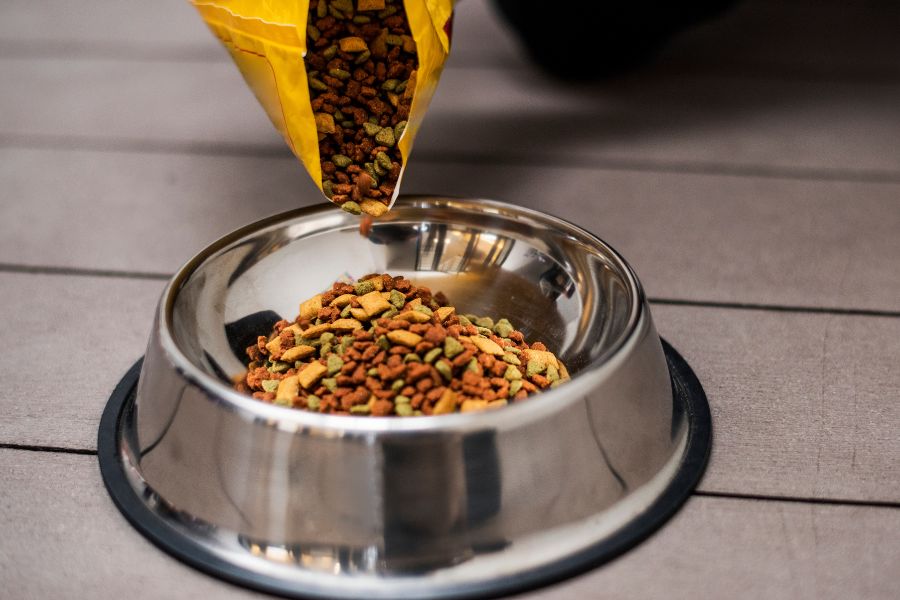
Dry food remains the most common choice for daily feeding. It offers convenience and long shelf life, which many households value.
Benefits of Dry Food
Dry food costs less over time and stores easily. Crunchy texture supports basic dental cleaning. Many brands offer single-protein or grain-free recipes designed for sensitive dogs. Measured scoops simplify feeding routines.
Drawbacks to Consider
Dry food contains less moisture, which may affect dogs prone to stomach issues. Some recipes rely on processed ingredients that bother sensitive dogs. Flavor coatings sometimes hide problem ingredients.
Wet vs Dry, Which Works Better?
No single format works for every dog. Wet food suits dogs with digestion trouble, low thirst, or reduced appetite. Dry food fits dogs with mild symptoms and stable digestion. Many owners find success by mixing both, which balances moisture and texture.
During food trials, consistency matters more than format. Choose one recipe, feed only that, and track changes over several weeks. Avoid treats or table scraps during this time.
Practical Feeding Tips for Allergic Dogs
Serve meals at the same times each day and measure portions carefully. Keep fresh water available at all times. Store food properly to prevent spoilage. Watch stool quality, skin comfort, and energy levels, and write short notes to track patterns.
Reading Labels Without Stress
Look for a short ingredient list with one main protein. Avoid vague terms like meat meal. Choose foods with clear sourcing and simple carbs. When switching foods, make slow changes over seven to ten days.
Dogs in Tranquility often face seasonal skin flare-ups, which can mix with food reactions. A steady diet helps separate food issues from environmental ones.
When Professional Guidance Helps
Persistent itching, repeated ear problems, or stomach upset deserve expert input. A guided diet plan saves time and frustration. At Tranquility Veterinary Clinic, teams help families choose diets that fit lifestyle and health needs without overcomplication.
Final Thoughts
Choosing between wet and dry options comes down to your dog’s needs, routine, and response to ingredients. Focus on quality, simplicity, and consistency. For families in Tranquility seeking guidance, book an appointment with Tranquility Veterinary Clinic and discuss dog food for allergies that fits your dog’s life.
Clear labels, steady routines, and patience support comfort over time while helping owners feel confident, informed, and calm as they watch small changes build into lasting relief for their dogs’ daily lives.
FAQs About Wet and Dry Food for Allergies
1. Can wet food stop allergy symptoms completely?
A: Wet food may reduce symptoms by limiting fillers and increasing moisture intake. It does not cure allergies. Improvement depends on choosing the right protein, feeding consistently, and allowing enough time for the body to calm.
2. Is dry food bad for dogs with sensitive skin?
A: Dry food is not harmful by default. Many dogs with sensitive skin do well on dry recipes made with simple ingredients, clear protein sources, and no unnecessary additives that may irritate the system.
3. Should I mix wet and dry food?
A: Mixing wet and dry food can improve taste and hydration. Keep portions balanced, use the same protein in both foods, and avoid frequent changes that could upset digestion or blur allergy results.
4. How long before I see improvement?
A: Most dogs show early changes within four to eight weeks. Skin healing often takes longer. Stay consistent with the chosen food and resist switching too quickly, even if progress feels slow.
5. Are grain-free foods better for allergies?
A: Grains rarely cause true allergies in dogs. Proteins trigger most reactions. Grain-free diets help some dogs, though results vary. Ingredient quality matters more than whether grains are present.
6. Do treats affect food allergy trials?
A: Grains rarely cause true allergies in dogs. Proteins trigger most reactions. Grain-free diets help some dogs, though results vary. Ingredient quality matters more than whether grains are present.
7. When should I seek help?
A: Seek help if itching, ear problems, or stomach issues continue after careful diet changes. Professional guidance helps rule out other causes and supports safer long-term feeding choices.