Prompt, Reliable Same-Day Visits Available!

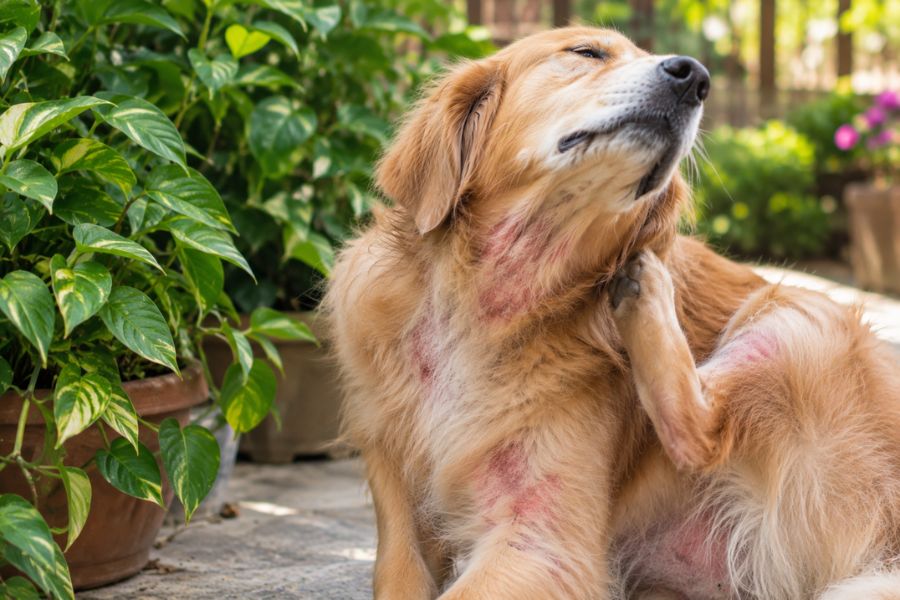
Watching your dog scratch, lick its paws, or rub against furniture can be frustrating for both of you. Itchy skin in dogs may result from allergies, fleas, dry skin, or infections. Simple daily habits can support skin health, reduce exposure to common irritants, and help your dog feel more comfortable.
This guide covers seven practical habits, including gentle grooming, balanced nutrition, clean bedding, and consistent parasite prevention. These steps can complement professional treatment, but they cannot cure every cause of itching. Learning which changes help and recognizing warning signs can make everyday skin care more effective.
1. Brush Your Dog Regularly
Regular brushing helps remove loose fur, dirt, and debris that may irritate your dog’s skin. It also gives you an opportunity to notice redness, flakes, small bumps, or unusual hair loss before these problems become more noticeable.
Make Grooming Comfortable
Choose a brush suitable for your dog’s coat type. Use gentle strokes and avoid repeatedly brushing irritated areas. Stop if your dog shows pain or discomfort.
Long-haired dogs may need more frequent brushing to prevent tangles that trap moisture and dirt. Short-haired dogs benefit from gentle grooming, too.
Daily habit: Spend a few minutes checking your dog’s coat and skin. Contact your veterinarian if you notice sores, persistent redness, or worsening irritation.
2. Keep Your Dog’s Skin Clean Without Overbathing
Bathing can remove allergens, pollen, and environmental debris from your dog’s coat. Excessive bathing or harsh shampoos may strip natural oils, leaving the skin dry and uncomfortable.
Use a dog-safe shampoo suited to your pet’s needs. Medicated shampoos should be used according to professional instructions. Rinse thoroughly because shampoo residue can trigger further irritation.
Bathing frequency depends on coat condition, activity level, and underlying skin problems. There is no single schedule that suits every dog.
Daily habit: Wipe muddy paws and dirty fur with a soft, damp cloth after outdoor activities. Avoid applying human lotions or essential oils without professional guidance.
3. Wash Bedding and Clean Favorite Resting Spots
Dog beds, blankets, carpets, and upholstery can collect dust, pollen, loose fur, and other particles. These substances may aggravate environmental allergies in sensitive dogs.
Wash your dog’s bedding regularly using a mild, fragrance-free detergent. Rinse thoroughly and dry everything completely before use. Vacuum common resting areas and clean washable toys when needed.
Strong fragrances and cleaning products can irritate sensitive skin or airways. Keep your dog away from freshly cleaned surfaces until they are safe to use.
Daily habit: Remove visible dirt from your dog’s resting area and check blankets for moisture or accumulated debris.
4. Maintain Consistent Flea and Parasite Prevention
Fleas are a common cause of itching in dogs. Some dogs develop intense irritation from flea saliva, even when only a few bites occur. You may not immediately see fleas, especially if your dog scratches frequently.
Ask your veterinarian which flea prevention product suits your dog’s age, weight, health, and lifestyle. Follow the recommended schedule and check other pets in the household when advised.
Avoid combining parasite products without professional guidance. Certain products intended for one species can be dangerous to another.
Daily habit: Check your dog’s coat for flea dirt, excessive scratching, or skin irritation. Consistent prevention is generally more reliable than treating a visible flea problem after it develops.
5. Provide Balanced Nutrition and Fresh Water
Healthy skin depends on adequate nutrition. A complete, balanced dog food provides protein, essential fatty acids, vitamins, and minerals needed to maintain the skin barrier and coat.
Poor nutrition can affect coat quality, but itching does not automatically mean your dog needs supplements. Food allergies are possible, and suspected cases require a structured dietary trial rather than random food changes.
Fresh water supports normal hydration. Keep your dog’s water bowl clean and refill it regularly.
Daily habit: Feed a nutritionally complete diet appropriate for your dog’s life stage. Consult your veterinarian before adding fish oil or other supplements, especially if your dog takes medication.
6. Wipe Paws After Walks and Outdoor Play
Grass pollen, dust, and other environmental particles can cling to your dog’s paws and coat. Dogs that lick their feet repeatedly may experience additional irritation from saliva and constant friction.
Use a soft, damp cloth to wipe each paw after walks. Dry the spaces between the toes carefully, especially after rain or outdoor play. Persistent moisture can contribute to skin problems.
Avoid disinfectants, fragranced wipes, and harsh cleaning products unless specifically recommended for dogs.
Daily habit: Make a quick paw check part of your return-home routine. Look for redness, swelling, cuts, or objects lodged between the toes.
7. Track Itching and Reduce Known Triggers
Keeping a simple symptom diary can help identify patterns in your dog’s itchy skin. Record when scratching occurs, affected body areas, recent walks, bathing, food changes, and any new cleaning products.
Notice whether symptoms worsen during particular seasons or after visiting certain outdoor spaces. These observations can help your veterinarian assess possible environmental allergies, food allergies, parasites, or other skin conditions.
Avoid removing multiple foods or changing several products simultaneously. Too many changes make it difficult to identify the cause of an improvement or flare-up.
Daily habit: Rate your dog’s itching from one to five each evening and note unusual symptoms. Share the record during an appointment.
When Should You Seek Veterinary Care?
Home care can support healthy skin, but persistent itching needs professional evaluation. Arrange an appointment if your dog develops recurring ear infections, hair loss, open sores, unpleasant skin odor, or frequent nighttime scratching.
Seek prompt care for painful swelling, rapidly spreading redness, or discharge from damaged skin. Facial swelling, breathing difficulty, or collapse requires emergency attention.
Conclusion: Small Habits Can Support Healthier Skin
Consistent grooming, gentle cleaning, parasite prevention, balanced nutrition, and symptom tracking can help dogs with itchy skin feel more comfortable. The right routine depends on your dog’s needs, and persistent symptoms should never be dismissed as ordinary scratching.
If you’re located in Tranquility, reach out to Tranquility Veterinary Clinic for guidance on your dog’s skin concerns. Its commitment to compassionate care and community can support informed decisions about your pet’s well-being. Schedule an appointment if itching continues or your dog shows signs of skin irritation.
Frequently Asked Questions(FAQs):
1. What can I do at home to help my dog stop itching?
A: Brush gently, wipe paws after walks, wash bedding regularly, and maintain flea prevention. Avoid human creams or unapproved remedies. Persistent itching, sores, or hair loss warrants professional evaluation to identify the cause.
2. How often should I bathe a dog with itchy skin?
A: Bathing frequency depends on your dog’s skin condition, coat, and prescribed treatment. Gentle dog-safe shampoo may help remove irritants, but excessive bathing can worsen dryness. Ask your veterinarian for a suitable bathing schedule.
3. Can food cause itchy skin in dogs?
A: Yes. Certain food ingredients can trigger allergic reactions that cause itching, ear problems, or digestive symptoms. A veterinarian-guided elimination diet is the most reliable way to investigate suspected food allergies in dogs.
4. Why does my dog keep licking its paws?
A: Repeated paw licking may result from environmental allergies, fleas, injuries, infections, or trapped debris. Check the paws gently for visible problems. Persistent licking, redness, swelling, or limping needs professional assessment.
5. Does coconut oil help dogs with itchy skin?
A: Coconut oil is not a proven solution for most causes of canine itching. Applying it may encourage licking and cause stomach upset if swallowed. Ask your veterinarian about safer skin-care options for your dog.
6. When should I take my itchy dog to the veterinarian?
A: Arrange an appointment for persistent scratching, recurring ear infections, hair loss, or damaged skin. Seek emergency care for breathing difficulty, collapse, or facial swelling because these signs may indicate a serious reaction.