Prompt, Reliable Same-Day Visits Available!


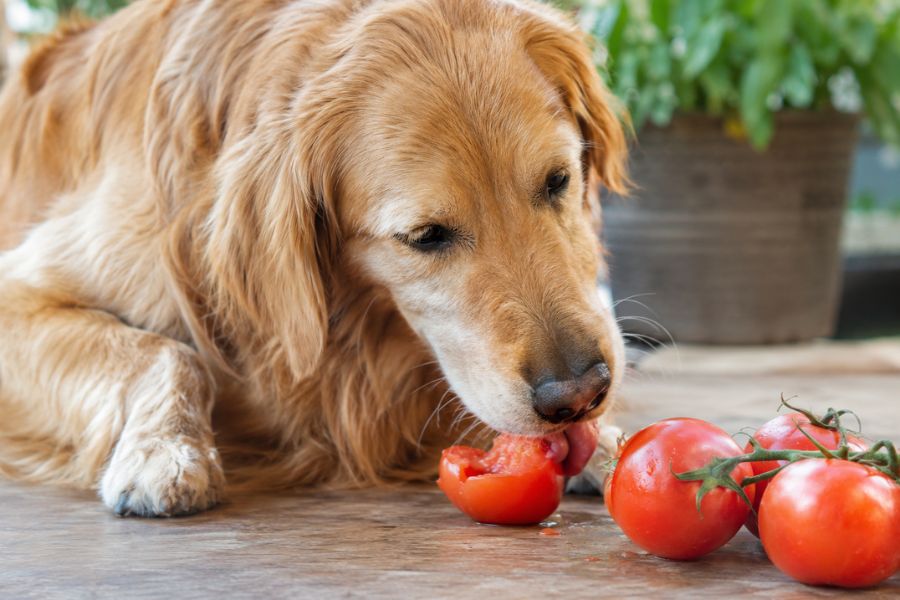
Tomatoes can look like a harmless snack, yet the plant contains compounds that can cause problems for dogs. Ripe red tomato flesh is generally safe in small portions, while green tomatoes, stems, and leaves deserve caution.
Tomato toxicity in dogs can cause vomiting, diarrhea, drooling, weakness, loss of coordination, and changes in heart rate when enough plant material is eaten. This guide explains which parts are risky, signs to watch for, what to do after ingestion, how treatment works, and how to prevent future exposure.
Are Tomatoes Safe for Dogs?
A small piece of a ripe, red tomato is usually not poisonous to dogs. The concern centers on immature green tomatoes and the green parts of the tomato plant. These areas contain higher levels of solanine and related compounds, including tomatine. Amount, body size, and plant maturity affect risk.
Tomato-based foods can create separate concerns. Sauces, soups, pizza toppings, and canned products may contain onion, garlic, excess salt, sugar, or seasonings that are unsuitable for dogs. Plain ripe tomato is a different situation from a seasoned human food.
What Makes Tomato Plants Toxic?
The tomato plant belongs to the nightshade family. Its stems and leaves contain glycoalkaloids that can irritate the digestive system and affect the nervous system when a dog consumes a significant quantity.
Green Tomatoes vs. Ripe Tomatoes
Unripe green tomatoes generally contain more of these compounds than ripe tomatoes. A dog that steals one small piece is unlikely to develop severe poisoning. Eating a large amount of green fruit or chewing through garden plants presents a greater concern.
Leaves and stems matter more than a few bites of ripe fruit. Puppies and small dogs may face greater exposure from the same quantity because body size affects dose.
Tomato Toxicity in Dogs: Symptoms to Watch For
Signs depend on the amount and part of the plant consumed. Possible symptoms include:
- Vomiting or nausea
- Diarrhea
- Excessive drooling
- Loss of appetite
- Abdominal discomfort
- Weakness or unusual tiredness
- Dilated pupils
- Loss of coordination
- Tremors
- An abnormal heart rate
- Difficulty breathing in severe cases
A dog may show mild digestive upset after eating tomato plant material. More serious signs require prompt attention. A dog that collapses, has seizures, struggles to breathe, or becomes extremely weak needs emergency evaluation.
What Should You Do If Your Dog Eats a Tomato?
Stay calm and remove remaining plant material from your dog’s reach. Identify what was eaten: ripe tomato, green tomato, leaves, stems, or a prepared food. Estimate the amount and note when the ingestion happened. Keep the plant or food packaging available for identification.
Do not give home remedies or attempt to make your dog vomit unless a qualified animal-care professional specifically tells you to do so. Inducing vomiting at the wrong time can create additional risks.
Contact your regular clinic, an emergency animal hospital, or an animal poison service for individualized guidance. A professional can assess size, age, symptoms, amount eaten, and exposure type.
How Is Tomato Poisoning Treated?
Treatment depends on the exposure and the dog’s condition. A mildly affected dog may need observation, hydration support, and medication to control digestive symptoms. A dog with significant poisoning may need closer monitoring, intravenous fluids, heart-rate assessment, and supportive treatment.
There is no universal home treatment for tomato poisoning. The goal is to limit complications while the body processes the compounds. Early professional advice can help determine whether monitoring at home is reasonable or an examination is needed.
Seek veterinary care promptly when symptoms are progressing, the amount eaten is unknown, a large quantity of plant material was consumed, or the dog is very young, elderly, or medically fragile.
How to Prevent Tomato Toxicity
Garden access is the biggest preventable risk. Keep tomato plants behind secure barriers and remove fallen fruit from areas where dogs play. Store tomatoes where curious pets cannot reach them.
Teach a reliable “leave it” cue for garden walks and household foods. Ask everyone in the home not to share seasoned tomato dishes without checking their ingredients. Gardening products should also remain inaccessible.
When Is a Tomato Emergency?
Emergency signs matter more than the name of the food. Seek urgent help for collapse, severe weakness, repeated vomiting, seizures, breathing difficulty, marked confusion, or serious coordination problems.
A dog that appears normal after eating a small amount of ripe tomato can often be monitored with professional guidance. Watch for changes in behavior, appetite, digestion, and energy during the recommended observation period.
Frequently Asked Questions(FAQs):
1. Can dogs eat tomatoes?
A: Healthy dogs can usually eat small portions of ripe, red tomato flesh. Remove stems and leaves, wash the fruit, cut it into manageable pieces, and treat it as an occasional snack rather than a regular dietary staple.
2. What happens if a dog eats a green tomato?
A: Green tomatoes contain higher concentrations of potentially irritating compounds than ripe fruit. A small bite may cause no signs, while larger exposure can produce digestive or neurologic symptoms. Contact a professional for dose-specific advice.
3. Are tomato leaves poisonous to dogs?
A: Tomato leaves and stems contain compounds that can be harmful when enough plant material is eaten. Risk depends on the quantity and dog’s size. Remove access to the plant and seek guidance if ingestion was substantial.
4. Should I make my dog vomit after eating tomatoes?
A: Do not induce vomiting without professional instructions. The safest response depends on what was eaten, how much was consumed, when it happened, and whether symptoms are present. Incorrect vomiting attempts can cause additional harm.
5. How long do tomato poisoning symptoms last?
A: Duration varies with exposure and severity. Mild digestive signs may resolve with supportive care, while significant poisoning can require monitoring and treatment. A professional can provide a more useful timeframe after assessing the specific ingestion.
6. Can dogs eat tomato sauce?
A: Plain tomato sauce without harmful ingredients may be tolerated in tiny amounts, but many sauces contain onion, garlic, heavy seasoning, salt, or sugar. Check the ingredient list before sharing any prepared tomato product with a dog.