Prompt, Reliable Same-Day Visits Available!

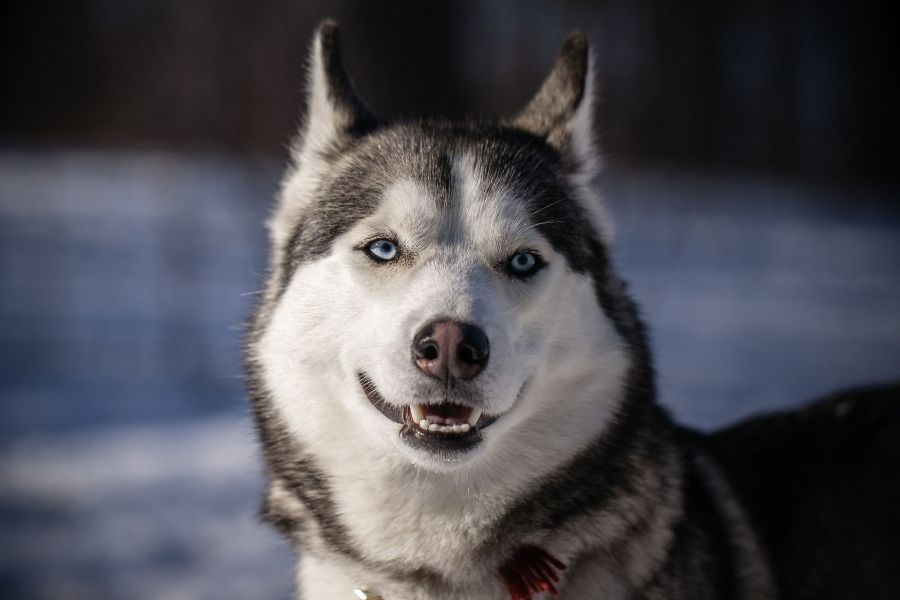
A Siberian Husky can bring energy, curiosity, and a strong sense of personality into your home for many years. But their needs change as they grow. The playful puppy who seems to have endless energy will not have the same nutritional, exercise, training, or health needs as a mature or senior Husky.
So, how does a Husky’s life change from puppyhood to the senior years?
Understanding the major Husky lifespan milestones can help you recognize normal changes, prepare for new needs, and notice when something seems out of character. While every dog ages at a different pace, knowing what to expect gives you a useful starting point for lifelong care.
How Long Do Huskies Live?
Siberian Huskies generally have a lifespan of about 12 to 14 years, although some live longer with good genetics, proper nutrition, regular exercise, preventive care, and a safe home environment.
Lifespan is not simply about reaching a certain birthday. A Husky’s quality of life matters just as much. Healthy aging means maintaining mobility, a comfortable weight, good dental health, mental stimulation, and a strong bond with the people around them.
Several factors can influence how a Husky ages, including:
- Genetics and inherited health risks
- Nutrition and body condition
- Daily exercise
- Preventive health care
- Dental care
- Weight management
- Environmental safety
- Mental stimulation
- Early recognition of health changes
A useful way to understand your Husky’s life is to look at it in stages.
Husky Puppy Years: Birth to About 6 Months
The puppy stage is one of the fastest periods of physical and mental development. During these first months, your Husky is learning what the world is like while growing rapidly.
0 to 8 Weeks: Early Development
During the first several weeks, puppies depend heavily on their mother and littermates. They learn important social skills through interactions with other dogs.
By the time a puppy joins a new household, much of its early development has already begun. Gentle handling, positive experiences, and appropriate socialization can help build confidence.
This is also a time when puppies begin learning basic behaviors. Their environment can shape how comfortable they become with people, sounds, handling, grooming, and new situations.
8 Weeks to 4 Months: Learning and Exploring
Once your Husky puppy comes home, almost everything becomes a learning opportunity.
A puppy may need to learn:
- Where to sleep
- Where to go potty
- How to walk on a leash
- Which objects are appropriate to chew
- How to respond to basic cues
- How to interact politely with people and other pets
Huskies are intelligent and independent, so training should be consistent without becoming harsh. Short sessions often work better than long ones.
This is also a good time to establish routines for meals, exercise, grooming, sleep, and handling.
4 to 6 Months: Growing Independence
At this point, your puppy may become more confident and energetic. You may also notice more curiosity and a stronger desire to explore.
Teething can continue during this period, which means chewing may become a major part of daily life. Safe chew options and appropriate supervision can help protect both your puppy and your furniture.
Growth also remains important. A Husky puppy needs a balanced diet designed for appropriate growth rather than simply eating as much as possible.
The Adolescent Husky: About 6 to 18 Months
If your Husky suddenly seems to have forgotten everything they learned as a puppy, don’t panic. Adolescence can bring changes in attention, independence, energy, and behavior.
This stage often includes:
- Increased physical energy
- Greater curiosity
- Testing boundaries
- Stronger interest in other dogs
- More independence
- Continued physical development
A Husky may look nearly grown while still developing physically and mentally.
Exercise During Adolescence
Huskies were bred for endurance and activity, so regular exercise is important. However, exercise should match the dog’s age and physical development.
Daily walks, supervised play, training games, and mentally engaging activities can help channel energy in productive ways.
Exercise is not only about tiring your dog out. Huskies need opportunities to use their brains, too. Scent games, puzzle feeders, training exercises, and safe exploration can provide useful mental stimulation.
Young Adult Husky: About 1.5 to 4 Years
By young adulthood, most Huskies have reached their adult size and have developed much of their adult personality.
This can be one of the most active stages of life. A healthy adult Husky may be eager to run, hike, play, explore, and participate in family activities.
At this age, maintaining healthy habits becomes especially important.
Keep an Eye on Weight
Huskies are active dogs, but activity levels vary between individuals. A dog who exercises heavily needs different calorie intake from one who spends most of the day relaxing at home.
Rather than relying only on the number on the food bag, pay attention to body condition. You should be able to feel your Husky’s ribs without pressing through a thick layer of fat, while the waist should remain visible when viewed from above.
Keeping your Husky at a healthy weight reduces unnecessary strain on the joints and supports long-term mobility.
Continue Training
Training should not stop once your Husky reaches adulthood.
Regular practice keeps learned behaviors strong and gives your dog mental work. It can also strengthen communication between you and your dog.
Think beyond basic commands. Recall practice, leash manners, cooperative grooming, and calm behavior around distractions can all be useful throughout adulthood.
Mature Adult Husky: About 5 to 7 Years
Around five to seven years of age, your Husky may begin moving from young adulthood into a more mature stage.
You may not see dramatic changes right away. Your dog may still be playful, athletic, and energetic. However, subtle changes can start appearing.
Perhaps your Husky sleeps a little longer after a busy day. Maybe they are less interested in very intense play or take longer to recover after a long hike.
These changes do not automatically mean something is wrong. They are reminders to pay attention to your dog’s normal patterns.
Regular Health Checks Matter
Routine wellness visits become an important part of keeping track of your Husky’s health. A physical exam can help identify changes involving the teeth, skin, ears, weight, joints, heart, or other body systems.
Preventive care also provides an opportunity to discuss nutrition, parasite protection, exercise, and age-appropriate health screening.
If your Husky already has an established care routine, continue it rather than waiting for obvious problems to appear.
For ongoing needs related to your dog’s health, wellness care for dogs can be a useful service to discuss with your pet’s care team.
Senior Husky Years: Around 8 Years and Beyond
Many Huskies begin entering their senior years around eight years old. Some may show signs of aging earlier, while others remain remarkably active well into their senior years.
The important point is that aging is gradual.
Your senior Husky may still want to play, go outside, and be part of everything you do. The goal is not to treat an older dog as fragile. Instead, adjust activities and care to support comfort and mobility.
Changes You May Notice
Common age-related changes can include:
- More sleeping
- Less interest in intense exercise
- Stiffer movement after resting
- Slower recovery after activity
- Changes in hearing or vision
- Graying around the face
- Changes in appetite
- Changes in sleep patterns
- Increased sensitivity to temperature
- Changes in behavior or interaction
Some changes are a normal part of aging. Others can signal a health problem.
A sudden change should not simply be dismissed as “old age.”
For example, a Husky who suddenly stops climbing stairs, becomes reluctant to walk, drinks much more water, loses weight without an obvious reason, or shows a major change in behavior should be evaluated.
Supporting a Senior Husky’s Quality of Life
Senior care is about more than treating illness. It is also about making everyday life comfortable.
Adjust Exercise, Don’t Eliminate It
Older Huskies still benefit from movement. Regular, moderate activity can support mobility and mental well-being.
Long, demanding runs may no longer be appropriate for every senior dog. Shorter walks, gentle play, and several activity periods throughout the day may work better.
Watch how your Husky responds during and after exercise. Persistent stiffness, limping, unusual fatigue, or reluctance to move deserves attention.
Make the Home Easier to Navigate
Simple changes can make a difference for an aging dog.
Consider:
- Providing a comfortable, supportive bed
- Keeping food and water easy to access
- Using rugs on slippery floors
- Limiting access to unsafe stairs
- Keeping walkways clear
- Maintaining a predictable daily routine
These changes can help an older Husky feel more secure and comfortable.
Don’t Forget Dental Health
Dental problems can become more common with age. Bad breath, difficulty chewing, dropping food, swollen gums, or changes in eating habits deserve attention.
Regular dental evaluations and appropriate home care can help protect your dog’s mouth and overall comfort.
A Husky’s Lifespan Is About More Than a Number
It is tempting to think of a dog’s age as a simple calculation: puppy, adult, senior. Real life is more gradual.
Two eight-year-old Huskies can look and behave very differently. One may still be hiking regularly, while another may prefer shorter walks and longer naps.
Your Husky’s individual history matters.
Instead of focusing only on age, watch for changes in:
- Appetite
- Weight
- Energy
- Mobility
- Bathroom habits
- Sleep
- Grooming
- Social behavior
- Interest in favorite activities
- Ability to perform familiar tasks
Knowing what is normal for your own dog makes unusual changes easier to recognize.
How to Help Your Husky Age Well
You cannot control every part of your Husky’s lifespan, but you can influence many of the habits that support healthy aging.
Start with the basics:
- Feed an appropriate diet. Choose food that fits your dog’s age, activity level, and individual nutritional needs.
- Maintain a healthy weight. Extra weight can place additional stress on joints and affect overall health.
- Provide regular activity. Keep your Husky moving while adjusting exercise to age and physical ability.
- Offer mental stimulation. Training, games, scent work, and enrichment help keep an active breed engaged.
- Stay consistent with preventive care. Routine examinations can help identify changes before they become more difficult to manage.
- Protect dental health. Home dental care and professional cleanings when recommended can support comfort and oral health.
- Pay attention to behavior. A change from your dog’s normal routine can be an important clue.
- Keep your home safe. Secure fencing, identification, supervision, and a Husky-proof environment can prevent many avoidable problems.
When Should You Be More Concerned About an Aging Husky?
Knowing when to pay closer attention is an important part of responsible ownership.
Contact your dog’s care team if you notice a significant or persistent change such as difficulty breathing, repeated vomiting or diarrhea, unexplained weight loss, sudden weakness, severe pain, major changes in appetite or thirst, difficulty urinating, or a sudden change in behavior.
Do not wait for a birthday milestone before addressing a problem. A dog does not need to be a senior for a new symptom to matter.
Conclusion: Helping Your Husky Through Every Life Stage
From a curious puppy discovering the world to a senior dog enjoying a slower routine, every Husky life stage brings different needs.
The puppy years are focused on growth, socialization, training, and healthy development. Adolescence brings energy and independence. Young adulthood is a time to build strong habits, while the mature and senior years call for closer attention to mobility, weight, dental health, comfort, and subtle changes in behavior.
The best approach is simple: know your Husky’s normal, maintain healthy routines, and respond when something changes.
A long life is valuable, but a comfortable and active life is the bigger goal. By adapting your Husky’s care as they age, you can help them stay engaged, comfortable, and connected to the family they love throughout every milestone.
Frequently Asked Questions
1. What is the average lifespan of a Siberian Husky?
A: A Siberian Husky commonly lives around 12 to 14 years. Genetics, nutrition, weight, exercise, preventive care, and overall health can influence how long an individual dog lives.
2. At what age is a Husky considered a senior?
A: Many Huskies begin entering their senior years around 8 years of age. However, aging varies between individual dogs. Some remain active and healthy beyond this age, while others show age-related changes sooner.
3. How can I help my Husky live a longer, healthier life?
A: Maintain a healthy weight, provide balanced nutrition, offer regular age-appropriate exercise, provide mental stimulation, keep up with preventive health care, and monitor changes in behavior or physical condition.
4. Do Huskies slow down as they get older?
A: Yes, many Huskies gradually become less energetic as they age. They may sleep more, prefer shorter walks, or take longer to recover after exercise. A sudden or significant decrease in activity should be evaluated rather than automatically attributed to aging.
5. What changes should I watch for in a senior Husky?
A: Pay attention to changes in appetite, weight, thirst, mobility, sleep, bathroom habits, hearing, vision, behavior, and interest in normal activities. New or persistent changes can warrant a health evaluation.