Prompt, Reliable Same-Day Visits Available!

Apoquel is a prescription medicine that controls itching linked to allergic dermatitis and atopic dermatitis in dogs aged 12 months and older. It can relieve allergic itch quickly, but dose, schedule, screening, and follow-up matter. This guide explains its use, side effects, long-term safety, alternatives, and when to seek care. Never start, adjust, share, or restart it without your dog’s veterinarian.
What Is Apoquel and What Does It Treat?
Apoquel contains oclacitinib, which blocks selected pathways involved in itch and inflammation. It is not an antibiotic, steroid, or cure for allergies. It controls symptoms while the underlying trigger still needs attention.
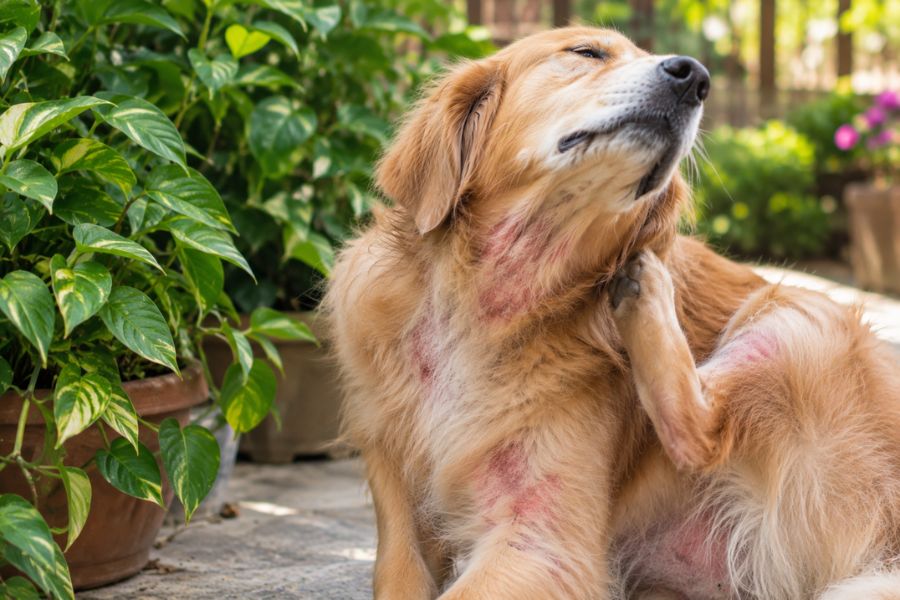
It may be prescribed for allergic dermatitis and atopic dermatitis. Signs include paw licking, face rubbing, red skin, ear irritation, and belly scratching. Fleas, food reactions, mites, and infections can look similar, so identifying the cause matters.
Apoquel Dosage for Dogs: How Much Is Prescribed?
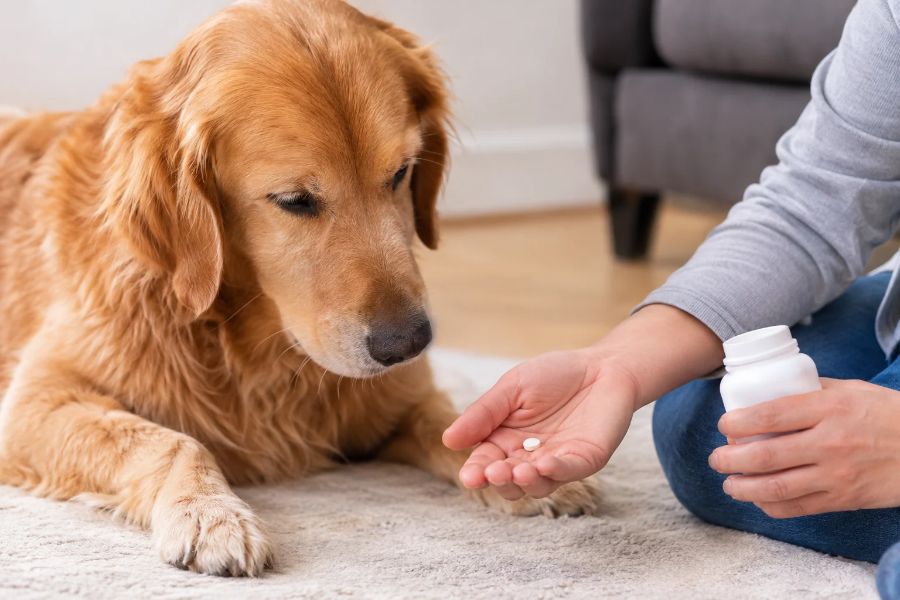
The U.S. label recommends 0.4–0.6 mg oclacitinib per kilogram, by mouth twice daily for up to 14 days, then once daily for maintenance. Tablets come in 3.6 mg, 5.4 mg, and 16 mg strengths; the combination depends on weight.
Always follow the label supplied with your dog’s prescription and local prescribing requirements. This is not an individual instruction. Do not calculate a dose online, use another pet’s tablets, or change the schedule if itching returns. Your veterinarian must confirm the amount and strength, considering weight, other medicines, infections, and medical history.
Can Apoquel Be Given With Food?
Tablets may be given with or without food. If your dog vomits or spits one out, ask the clinic before repeating the dose.
What If You Miss a Dose?
Ask your veterinarian what to do. Never double a dose. Store medication away from pets and children.
Apoquel Side Effects: What Should Owners Watch For?
Common short-term side effects include vomiting and diarrhea. Reduced appetite, lethargy, increased thirst, and skin or ear changes are possible. Contact your veterinarian if symptoms persist or worsen.
Apoquel affects immune activity and may increase susceptibility to infections, including skin infections and demodectic mange. Existing parasitic skin problems or certain cancers may worsen. New benign and malignant growths have been reported; reports do not prove the medicine caused every case. Report new lumps, sores, or recurring infections.
When Is a Reaction an Emergency?
Seek urgent help for collapse, breathing difficulty, facial swelling, bloody diarrhea, seizures, or extreme weakness. Bring the package and note the last dose.
Is Apoquel Safe for Long-Term Use?
Apoquel may be used for maintenance when benefits outweigh risks. Long-term treatment depends on response, age, infection history, other conditions, and quality of life.
It is not for dogs under 12 months, dogs with serious infections, or breeding, pregnant, or lactating dogs. Use caution with recurring infections, demodicosis, or cancer. Safety with some combinations, including systemic corticosteroids and cyclosporine, has not been established. Share all medicines and supplements with the clinic.
Attend rechecks and report sores, lumps, appetite changes, or stomach upset. Itch control does not remove the allergy trigger.
Apoquel vs. Other Dog Allergy Treatments
A care plan may include parasite prevention, medicated shampoos, infection treatment, a food trial, or injectable itch-control medicine. Each option has different benefits and safety considerations.
Antihistamines and supplements do not control every case. Never substitute human allergy medicines without professional advice.
Protecting Your Dog During Apoquel Treatment
In 2026, the FDA reported increasing accidental overdoses involving flavored Apoquel Chewable. Cats may experience more serious effects. Keep chewables in original packaging in a closed cupboard. Contact a veterinarian or animal poison service immediately if a pet eats extra tablets or a cat may have swallowed any amount.
Track doses and symptoms. Bring the log and packaging to rechecks. Never share Apoquel between pets.
When Should Your Dog Be Examined?
Book an appointment if itching interrupts sleep, causes hair loss or wounds, or keeps returning. An examination can distinguish allergies, parasites, infection, and other conditions.
A diagnostic care for pets visit can investigate symptoms and guide treatment. Bring medication details and photos of flare-ups.
Help Your Dog Find Lasting Itch Relief
Constant scratching should not be part of your dog’s daily life. Apoquel can help when prescribed for the right patient, with a clear dose and safety checks. An assessment can identify whether allergies, parasites, infection, or another condition is responsible. Book an appointment to discuss your dog’s itching, review medications, and create a practical care plan.
FAQs About Apoquel for Dogs
1. How quickly does Apoquel work in dogs?
A: Many dogs notice itch relief within hours, though the timing and degree of improvement vary. Persistent discomfort or new symptoms need reassessment; never change the dose or frequency without veterinary direction.
2. Can dogs take Apoquel every day?
A: Daily maintenance may follow the initial twice-daily period. Your veterinarian should review the schedule regularly because infection risk, health changes, and treatment response can affect whether continued use remains appropriate.
3. Can Apoquel cause cancer in dogs?
A: Benign and malignant growths have been reported in studies and after approval. Apoquel may worsen existing cancers. These reports do not prove causation in every dog; discuss your pet’s individual risk with your veterinarian.
4. Can I stop giving my dog Apoquel suddenly?
A: The manufacturer says Apoquel can be stopped without tapering. Ask your veterinarian before stopping a prescribed course, as itching may return and the underlying skin condition may still need attention.
5. Is Apoquel safe for puppies?
A: Apoquel is not approved for dogs younger than 12 months. A puppy with persistent itching needs an examination to identify the cause and select age-appropriate treatment rather than using an adult dog’s medication.
6. What happens if my dog eats extra Apoquel?
A: An extra dose needs immediate professional advice, even if your dog seems normal. Keep the package, estimate the amount and time swallowed, and do not induce vomiting unless a professional instructs you.